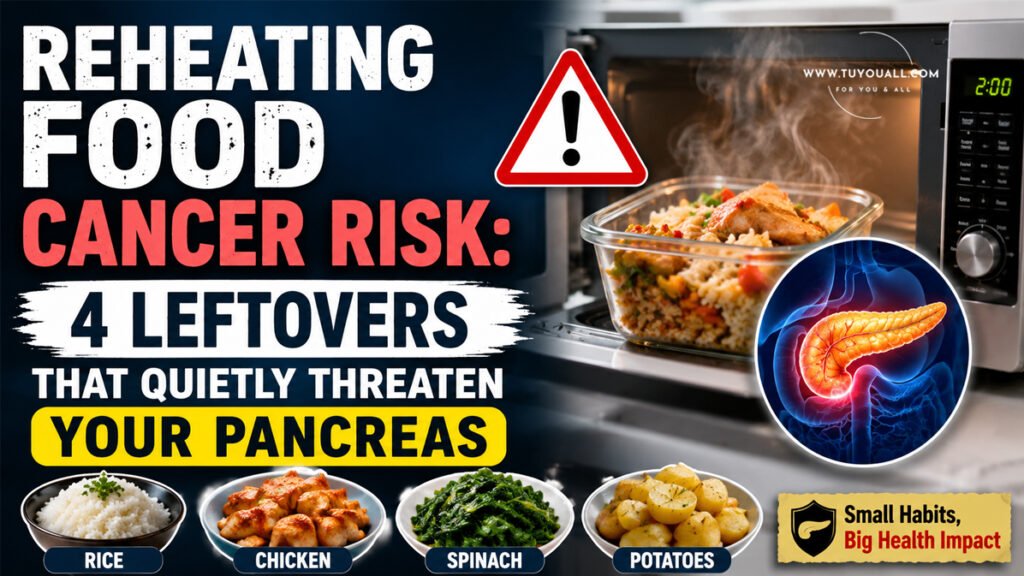
Dr. Favor Adeyemi Reveals 4 Foods Linked To A Reheating Food Cancer Risk. Learn The Science Behind Nitrosamines, Bacterial Toxins, And Safe Eating.
Reheating food cancer risk is something most families completely ignore. Did you know that something you do every single week—something you do specifically because you are trying to be practical, save money, and avoid wasting food—could be quietly creating the conditions for one of the deadliest cancers in the human body?
It sounds extreme, but it is not.
There is a habit that hundreds of millions of people repeat every week without a second thought: reheating leftovers. And the truth about what happens inside four very specific foods the second time heat touches them is something most people will go their entire lives without ever being told.
“I am done staying quiet.” —Dr. Favor Adeyemi
Dr. Favor Adeyemi, a physician who has sat across from too many patients receiving a devastating diagnosis, believes every single person who cooks at home deserves to know this information. In the next few minutes of reading, you will learn exactly which four foods are the most dangerous to reheat, what they are chemically turning into inside your body when you press that button, and why that transformation connects directly to pancreatic cancer—one of the cancers with the lowest survival rates in all of modern medicine.
Why Reheating Changes the Chemistry of Your Food (Pancreatic Cancer Prevention)
Before naming the four foods, you need to understand what is actually happening at the chemical level when food is reheated. Without that foundation, this will sound like fear-mongering rather than the biochemistry it actually is.
When certain foods are cooked the first time, natural chemical reactions occur. Proteins interact with sugars and heat. Nitrogen-containing compounds interact with available amino acids. Fats begin to oxidize. In most cases, the compounds produced by first-time cooking are present in amounts the body can manage, process, and eliminate.
But reheating changes the equation fundamentally.
“Your pancreas never warns you. It does not hurt when it is being damaged. It does not swell. It does not send you a signal while the damage is quietly accumulating over years and decades of repeated chemical insults.” —Dr. Favor Adeyemi
By the time a patient experiences the first symptom of pancreatic cancer—the back pain, the jaundice, the unexplained weight loss—the disease has typically been developing for years. And the five-year survival rate for pancreatic cancer sits at around 12%. That is not a disease that gives you a second chance once it announces itself. It is a disease where pancreatic cancer prevention is not just the best strategy. It is the only strategy that consistently works.
Here is what happens during reheating:
- Whatever protective antioxidant compounds were present in the original food are further degraded or destroyed. The biological buffers that would have partially neutralized harmful compounds are gone.
- The chemical reactions that produced small amounts of carcinogenic compounds during first cooking are accelerated again—but this time without those buffers.
- Bacterial activity that occurred during cooling and storage has already begun converting certain compounds, particularly nitrates in vegetables, into more reactive and more dangerous intermediate forms. Heat then drives those intermediates forward into carcinogens.
The specific class of compounds we are most concerned about from a cancer research standpoint are nitroso compounds (also called nitrosamines) and heterocyclic amines. Both have been classified by the International Agency for Research on Cancer as probable human carcinogens. Animal studies have provided strong evidence for the carcinogenicity of nitroso compounds on multiple organs, specifically including the pancreas.
This is not speculative. This is documented in the scientific literature, and it connects directly to the foods you are about to read about.
Food #1: Processed Meats and the Problem of Nitrosamines in Food

How Processed Meats Already Start with a Chemical Disadvantage
Hot dogs, sausages, bacon, ham, deli cuts, and canned meat—any meat that has been cured, smoked, preserved, or processed using nitrates and nitrites—already contain a meaningful concentration of nitroso compounds simply from the way they are manufactured. The nitrites used as preservatives react with the amines naturally present in meat protein during processing, producing nitrosamines before the food ever reaches your kitchen.
Why Reheating Makes It Worse
When you reheat these foods, you are not starting with a clean chemical slate. You are applying heat to a food that already contains documented carcinogens. And heat accelerates nitrosamine formation. The higher the temperature and the longer the exposure, the more the reaction compounds. Frying or microwaving processed meat at high heat produces a meaningfully higher concentration of nitrosamines than the original food contained.
Research examining this specific mechanism—dietary nitroso compounds and pancreatic cancer risk—found that high dietary intake of these compounds was associated with elevated pancreatic cancer risk. Studies examining red and processed meat consumption have proposed several mechanisms linking them to pancreatic cancer, with heterocyclic amines, polycyclic aromatic hydrocarbons, and nitroso compounds produced by cooking at high temperatures identified as key mutagens.
For Example :
Imagine James, a busy dad who microwaves last week’s bacon every single morning while his coffee brews. He thinks he is saving time and money. In reality, each thirty-second reheating cycle is increasing the concentration of nitrosamines in his breakfast. Over ten years, that daily chemical insult adds up in ways his body cannot easily repair.
The practical truth is this: processed meats contain their own built-in carcinogenic precursors. Cooking them once is already a chemical event. Reheating them at high temperatures is adding accelerant to a reaction that should never have been encouraged in the first place.
If you are going to eat these foods, eat them once. Fresh. Prepared once. And never microwave them on high.
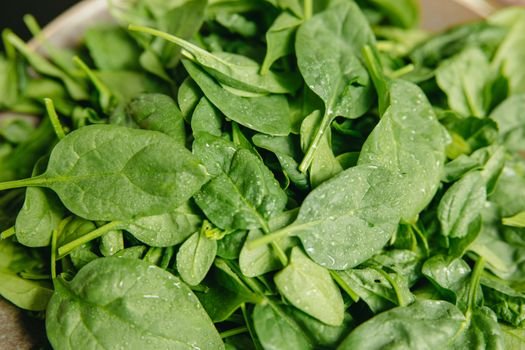
Food #2: Spinach and Leafy Greens — When Healthy Food Becomes Harmful
From Nitrates to Nitrites: The Storage Problem
This one surprises people the most. They reach for spinach precisely because it is healthy. They add it to everything because the nutrition advice they have received for decades has been correct. Spinach is genuinely rich in iron, folate, vitamins, and antioxidants.
And then they reheat the leftover spinach from dinner and undo a meaningful portion of that nutritional benefit while simultaneously triggering the very chemical pathway they were trying to avoid.
Here is what happens. Spinach contains naturally occurring nitrates—compounds that, in fresh spinach, are entirely benign and even beneficial for blood pressure and cardiovascular function. When spinach is cooked and then allowed to cool and sit, even in the refrigerator, bacterial activity and enzymatic reactions within the cooked vegetable begin converting those nitrates into nitrites. This conversion happens continuously during storage. The longer the cooked spinach sits, the more nitrite it contains.
The Heat-Driven Cancer Connection
When you reheat it, two things happen. The heat drives further nitrite formation. And the heat also drives a reaction between those nitrites and the amino acids present in the spinach, producing nitrosamines. A study published in the journal Foods specifically warned against storing boiled spinach for more than 12 hours at room temperature precisely because of this direct nitrate-to-nitrosamine conversion pathway.
The same applies to other high-nitrate vegetables: celery, beetroot, kale, and carrots. Celery in particular contains extremely high concentrations of nitrates. When celery is cooked into soups and stews and then reheated repeatedly—as happens constantly in home cooking—each reheating cycle drives the nitrate-to-nitrite-to-nitrosamine conversion.
The World Health Organization has confirmed that nitrosamines in food are established carcinogens linked to gastrointestinal and pancreatic cancers.
For Example :
Priya cooks a large pot of spinach curry on Monday to feed her family. She reheats a bowl on Wednesday and again on Friday. By Wednesday, bacterial conversion has already raised nitrite levels significantly. By Friday’s reheating, she is consuming far more nitrosamines than the fresh vegetable ever contained. The vegetable she reheated specifically because it was healthy has chemically transformed into something that works against the very protection it was supposed to provide.
| Handling Method | Nitrosamine Risk Level | Doctor’s Recommendation |
| Cook fresh and eat immediately | Very Low | ✅ Best choice |
| Cooked, refrigerated, eaten cold within 24 hours | Low | ✅ Acceptable |
| Cooked, stored 24+ hours, then reheated | High | ❌ Avoid completely |
The safest approach is straightforward: cook spinach and leafy greens fresh in the quantity you will eat immediately. If you have leftover cooked spinach, eat it cold in a salad the next day rather than reheating it. Cold does not drive the nitrosamine-forming reaction. Heat does.
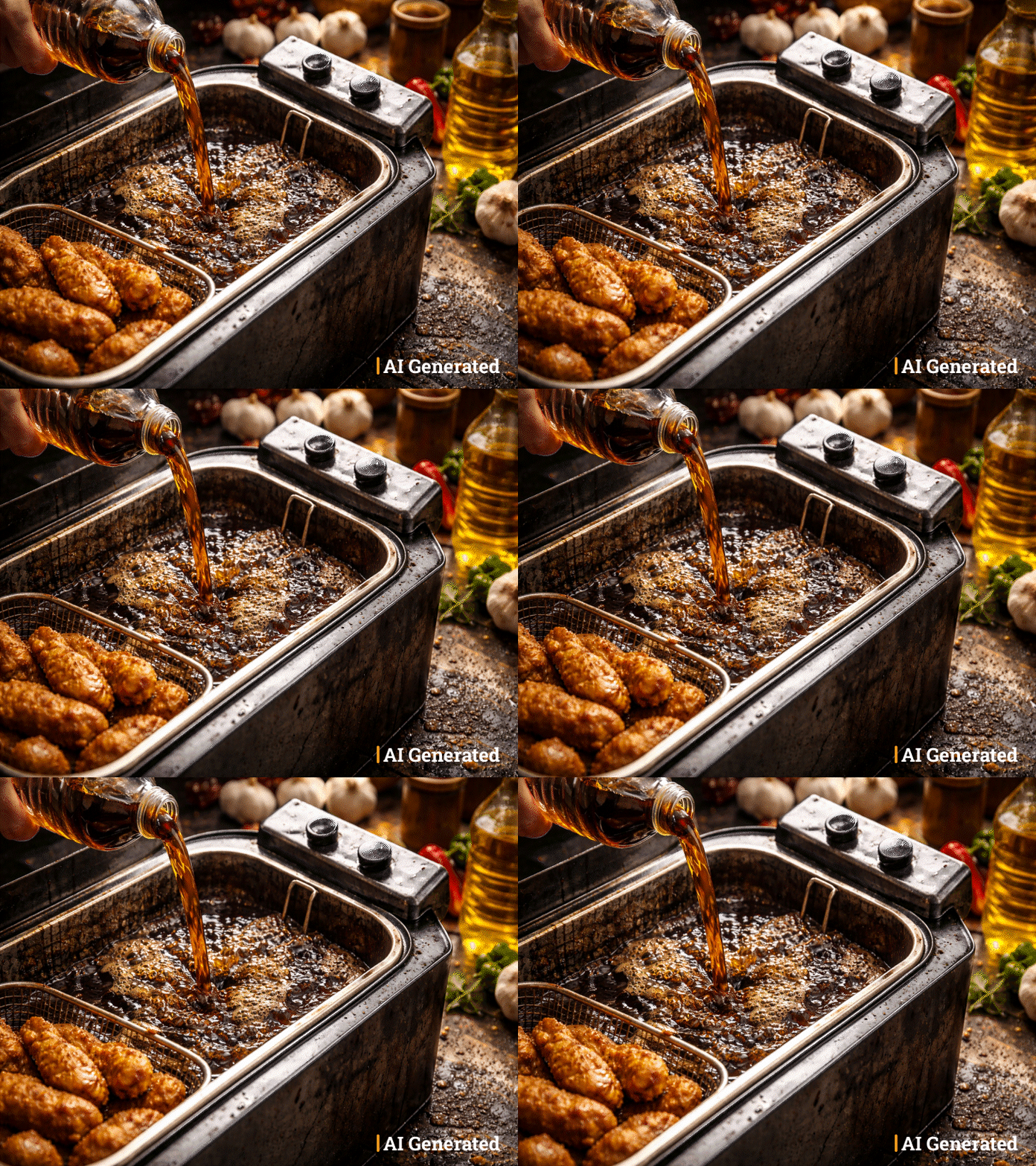
Food #3: Reheated Cooking Oils and Cooking Oil Carcinogens
Lipid Peroxidation: Why Used Oil Is a Different Animal
Most people understand vaguely that oil reuse is not ideal. What most people do not understand is the specific chemistry of why, and how that chemistry connects to cancer risk.
When a cooking oil—particularly a polyunsaturated oil like sunflower, corn, soybean, or canola—is heated to cooking temperature, a process called lipid peroxidation begins. The double bonds in polyunsaturated fatty acids react with oxygen and heat to produce a cascade of oxidized compounds: aldehydes (particularly acrolein and 4-hydroxynonenal), polycyclic aromatic hydrocarbons, and acrylamide in the presence of starchy foods. These compounds are genotoxic, meaning they cause direct damage to DNA.
The Triple Threat: Aldehydes, PAHs, and Acrylamide
When that oil is reheated—or when food fried or cooked in that oil is reheated—the oxidation process continues from where it left off. Each additional exposure to heat compounds the damage. The smoke point—the temperature at which an oil begins to visibly break down—lowers with each use. This means the oil reaches its toxic breakdown threshold faster and at lower temperatures with each reheating cycle. The concentration of aldehydes and PAHs increases with each heating.
The International Agency for Research on Cancer has classified several of the primary compounds produced by repeated oil heating, including acrylamide and polycyclic aromatic hydrocarbons, as probable human carcinogens.
Every time you reheat fried foods—fries, fried chicken, anything cooked in oil—you are applying additional heat to a food that was already sitting in oil that had undergone at least one prior oxidation cycle.
For Example :
David brings home leftover french fries from a restaurant. The next day, he microwaves them until they are warm. Some edges are now slightly scorched—too small to notice with your eyes, but hot enough to create a microscopic spike in heterocyclic amines, PAHs, and acrylamide. He is not just eating potatoes. He is eating the accumulated chemical load of two heating cycles compressed into one snack.
The specific additional risk with reheating fried foods rather than simply frying at high temperatures is this: when fried food is reheated, particularly in a microwave, the surface temperature becomes uneven. Some areas of the food are scorched at very high temperatures while others barely warm. The scorched areas produce the highest concentrations of all three classes of compounds. And you may not even notice the scorching because it occurs at a microscopic level that does not always produce visible browning.
The safer approach: do not reheat fried foods. Eat fried foods once, fresh, immediately after cooking. If you must reheat, use an oven at a moderate temperature that warms the food evenly rather than scorching surface areas. And never reuse frying oil. Discard it after one use.
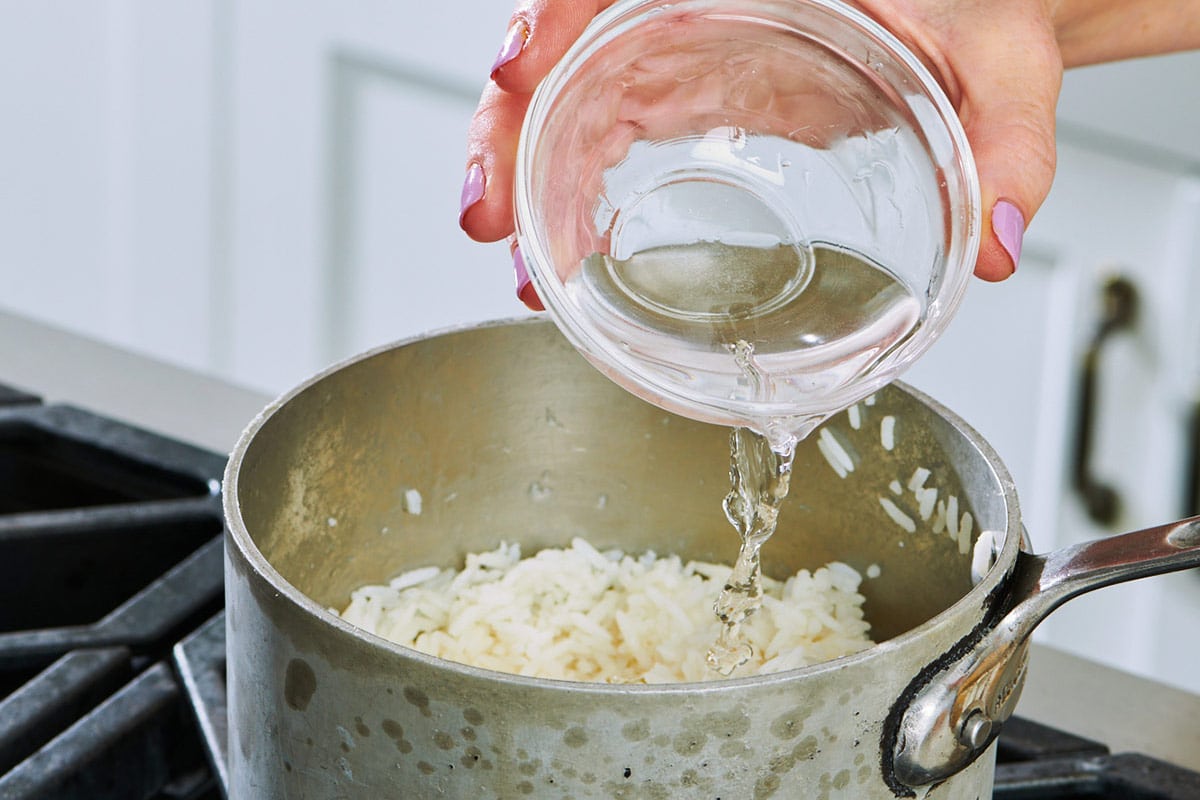
Food #4: Rice and the Reality of Reheating Rice Dangers
Bacillus cereus: The Survivor You Cannot Microwave Away
This one is different from the others in a critical way. The reheating rice dangers are not primarily carcinogenic in the same direct chemical sense as the previous three foods. The risk is a bacterial toxin that is heat-resistant—meaning reheating does not destroy it—and that has documented connections to intestinal inflammation, which is itself a known risk factor for gastrointestinal cancers over long-term repeated exposure.
When cooked rice is left at room temperature, a bacterium called Bacillus cereus—whose spores survive the original boiling process and remain dormant in the cooked grain—begins to multiply. This bacterium produces two types of toxins. One causes vomiting within hours. The second causes diarrhea and is produced specifically during the storage phase.
The critical point that most people do not know is this: when you reheat the rice, you kill the bacteria. But the toxins they have already produced are heat-stable and heat-resistant. They survive full microwave reheating. They survive stovetop reheating. The bacteria are gone. The toxins remain in the food.
From Food Poisoning to Chronic Inflammation
In the short term, those toxins cause nausea, vomiting, abdominal cramping, and diarrhea. Unpleasant, but survivable. In the long term—and this is the connection most people never hear—repeated low-level exposure to bacterial toxins from improperly stored and reheated rice contributes to chronic intestinal inflammation.
Chronic inflammation of the gastrointestinal tract is one of the most extensively documented pathways to gastrointestinal cancers. Every time the intestinal lining is irritated by heat-resistant bacterial toxins, the inflammatory response leaves microscopic damage. Over years and decades of weekly exposure, that accumulated damage creates the cellular environment in which cancer can develop.
This is not hypothetical. The connection between chronic intestinal inflammation and gastrointestinal cancers is one of the most replicated findings in cancer epidemiology.
For Example :
Maria cooks a large batch of rice every Sunday to save time during the workweek. She leaves it on the counter to cool for a few hours, then refrigerates it. She reheats portions throughout the week in the microwave. Each reheated bowl carries heat-stable bacterial toxins that her microwave cannot touch. After years of this routine, the cumulative inflammation creates microscopic damage that raises her long-term cancer risk without her ever connecting the dots.
| Rice Safety Step | Correct Action | Maximum Time Allowed |
| Cooling | Cool rice quickly | Within 1 hour |
| Refrigeration | Store at safe temperature | Maximum 24 hours |
| Reheating | Heat until steaming hot throughout | One time only |
| Second Reheating | Never reheat a second time | Not allowed |
The protocol for rice is specific and simple: after cooking, cool rice quickly within one hour and refrigerate it. The rapid cooling prevents the temperature from staying in the bacterial growth range long enough for significant toxin production. Store refrigerated for no more than 24 hours. When reheating, reheat once only. Ensure it reaches steaming hot temperature throughout—not just warm in the center. And never reheat rice a second time. Cook rice in smaller quantities so there is less left over. If you routinely cook rice in large batches to save time, change that habit. The time saved is not worth the cumulative risk of weekly bacterial toxin exposure across decades.
FAQ: Your Most Pressing Questions About Reheating and Cancer Risk
Q1: Can reheating food really cause cancer?
A: Reheating does not automatically cause cancer. However, reheating specific foods—processed meats, leafy greens, fried foods, and improperly stored rice—can increase concentrations of carcinogenic compounds or heat-stable bacterial toxins. Repeated exposure to these over years and decades contributes to cancer risk, particularly for pancreatic and gastrointestinal cancers.
Q2: Is it safe to eat cold leftovers instead of reheating them?
A: For nitrate-rich leafy greens like spinach, eating them cold is significantly safer because cold temperatures do not drive the chemical reaction that creates nitrosamines. However, for rice, proper rapid cooling and refrigeration within one hour are essential regardless of whether you eat it cold or hot. Never eat rice that sat at room temperature for more than two hours.
Q3: Does the microwave power setting matter when reheating food?
A: Yes. High microwave settings create uneven temperatures, often scorching surface areas of food. This scorching produces higher concentrations of heterocyclic amines and acrylamide. Using moderate, even heating methods like a conventional oven is safer when reheating is unavoidable.
Q4: Are all reheated foods dangerous?
A: No. Many foods—such as soups made without leafy greens, stews with fresh unprocessed meat, or roasted root vegetables—can be reheated safely if stored properly at safe temperatures. The four foods discussed here have specific chemical or bacterial properties that make them uniquely risky upon reheating.
Q5: What is the single most important habit change I can make today?
A: Stop reheating processed meats and spinach. These two changes alone eliminate the most direct nitrosamine exposure in the average home kitchen. Pair that with rapid rice cooling and single-use frying oil, and you have dramatically reduced your weekly carcinogen load.
Conclusion: Small Kitchen Changes, Big Health Payoffs
“None of this requires you to change your entire diet. None of this requires you to stop enjoying food. It requires four specific habit changes.” —Dr. Favor Adeyemi
Here is what to remember:
- Never reheat processed meats at high temperature. Eat them fresh once, and never microwave them on high.
- Eat cooked spinach and leafy greens cold the following day rather than reheating them. Cold does not drive the nitrosamine-forming reaction—heat does.
- Discard used cooking oil after one use, and never reheat fried foods. If you must reheat, use an oven at moderate temperature.
- Cool rice quickly, refrigerate within one hour, store no more than 24 hours, and reheat once only to steaming hot temperature.
These four changes, applied consistently to your weekly kitchen habits, meaningfully reduce your exposure to the specific class of compounds that researchers and oncologists connect to the cancers with the lowest survival rates. Reheating food cancer risk is not about eliminating leftovers—it is about knowing which leftovers deserve a completely different approach.
Which of these four foods surprised you the most? Share this post with the person in your life who reheats their leftover sausage every morning without once thinking about the chemistry they are eating alongside it. That share may be the most useful thing you do for their health today.
Source & Credit
This blog post is based on insights from Dr. Favor Adeyemi’s YouTube video: “The 4 Most Dangerous Foods to Reheat and Their Link to Cancer Risk.” The original content has been translated, expanded, and repurposed for educational purposes.