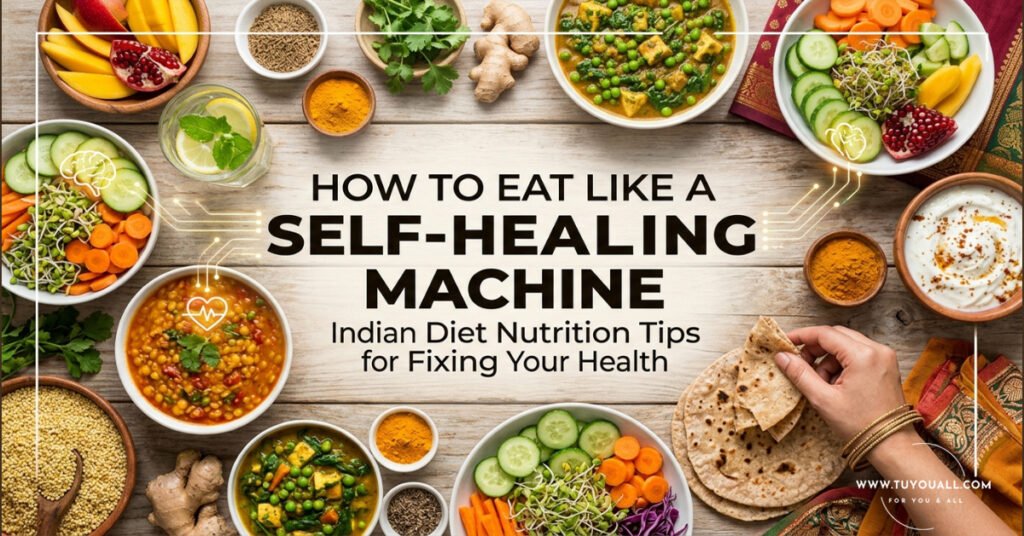
Indian Diet Nutrition Tips: Clinical nutritionist Pooja Makhija reveals why 73% of Indians lack protein, how meal sequencing cuts glucose spikes by 40%, and the real truth about salt, sugar, and sleep.
Introduction
Have you ever wondered why you crave something sweet right after lunch, even when your stomach is full? Or why skipping breakfast somehow makes your jeans feel tighter by evening?
You’re not broken. Your body is simply speaking a language you haven’t learned to understand yet.
In a powerful conversation, clinical nutritionist and author Pooja Makhija breaks down exactly how our daily habits—what we eat, when we eat it, how we sleep, and even how we think—shape our health in ways most of us never realize. She calls the human body a “self-healing machine,” but with one catch: it needs the right raw materials to do its job.
This isn’t about crash diets or willpower. It’s about understanding the simple science behind your cravings, your energy crashes, and that stubborn belly fat that won’t budge. Ready to finally listen to what your body has been trying to tell you?
The “Naked Carb” Problem: Why Your Indian Plate Needs a Makeover
What Are “Naked Carbs”?
Here’s a truth bomb most Indians don’t want to hear: our beloved poha, plain idli, aloo paratha, and even that “healthy” bowl of dal-chawal are often naked carbs.
“Just like you and I can’t move in society without proper clothes, carbs shouldn’t move in your body without theirs,” Makhija explains. “Carbs need to be dressed up both from the front and the back. The front dress is fiber (vegetables, salad, soup). The back dress is protein (dal, legumes, chicken, eggs, sprouts).”
When carbs show up to the party without these two companions, they digest too quickly, spike your blood sugar, and then crash it—leaving you tired, hungry, and craving more sugar.
For Example:
Imagine eating a plain bowl of poha for breakfast. By 11 AM, you’re starving and reaching for chai and biscuits. Now imagine starting that same meal with a small cucumber-tomato salad, eating a boiled egg or some sprouts, and then having half your poha. The difference in your energy and hunger levels will shock you.
The 73% Problem
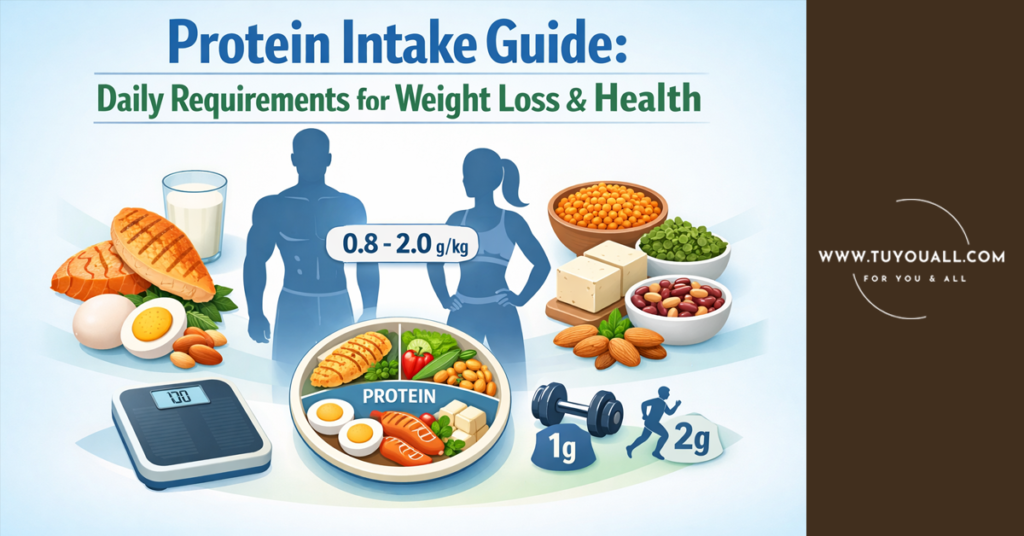
Here’s a number that should stop you in your tracks: 73% of Indians don’t get enough protein. And no, that one bowl of dal at dinner doesn’t count.
“People who have protein once a day consider themselves on a very good protein diet,” Makhija says. “But proteins are required in all three main meals—breakfast, lunch, and dinner.”
Without enough protein, your body can’t build immune cells, repair tissue, or even grow strong hair and nails. Every problem you complain about—from hair fall to low energy to that afternoon slump—can be traced back to this one deficiency.
Meal Sequencing: The 40% Glucose Hack Nobody Talks About
The Right Order to Eat Your Food
What if I told you that eating the exact same food in a different order could reduce your blood sugar spike by up to 40%?
This isn’t magic. It’s called meal sequencing, and it’s one of the most powerful tools in Makhija’s nutritional arsenal.
Think of your stomach like a wash basin and your blood sugar like the drain pipe. If you dump carbs directly in, they flow straight into your bloodstream. But if you “choke” the pipe first with fiber and protein, the carbs have to slow down and wait their turn.
The Perfect Plate Sequence:
| Order | What to Eat | Examples |
| First | Raw Fiber (Salad) | Cucumber, tomato, carrot, any raw veggies |
| Second | Cooked Fiber (Veggies) | 50% of your sabzi bowl, plain |
| Third | Protein | 50% of your dal, chicken, fish, or eggs, plain |
| Fourth | Carbs + Remaining Protein & Fiber | Roti or rice, eaten with the remaining sabzi and protein |
“Your grandmother’s thali already followed this logic,” Makhija points out. “When you sat on a banana leaf, they served it in exactly this order. Our ancestors were masters of nutrition without ever studying it.”
The Science Behind It
Research published in Nutrition & Diabetes confirms that eating vegetables and protein before carbohydrates significantly reduces post-meal glucose elevation and may even help with weight loss. The mechanism? It stimulates GLP-1 secretion, delays gastric emptying, and keeps you fuller longer.
Salt Was Never the Villain—Sugar Was
The Biggest Lie We Were Sold
For decades, we were told salt causes high blood pressure, heart attacks, and water retention. Meanwhile, sugar got a free pass.
“Salt was demonized so that sugar could shine and diseases could flourish,” Makhija states bluntly.
Here’s what actually happens: Salt (sodium) is an essential mineral your body needs to regulate blood pressure, help kidneys filter water, and keep your heart pumping. When someone collapses and is rushed to the hospital, what’s the first thing doctors administer? Saline solution—9,000 milligrams of sodium. Because your body needs it.
Sugar, on the other hand, gets stored as fat when consumed in excess. It doesn’t just “pass through.”
The Hidden Salt-Sugar Connection
When you don’t eat enough salt, your kidneys go into overdrive to reabsorb sodium. But they can only do this when insulin levels rise. So your body craves sugar to trigger that insulin spike. In other words, your sugar craving might actually be a salt deficiency in disguise.
Practical Tip:
Use iodized salt for cooking (your thyroid needs iodine), but add a tiny crystal of rock salt (sendha namak) to your tongue before drinking water. This mineralizes your water and helps it actually get absorbed into your cells instead of running straight to your bladder.
The Thirst Trap: Why You’re Drinking Water Wrong
Plain Water Isn’t Enough
If you’re drinking 2-3 liters of filtered water daily and still feeling thirsty, here’s why: modern filtration strips water of its minerals. What you’re left with is basically H2O—chemical water, not living water.
“Originally, water was meant to come from streams, passing through rocks, mineralizing itself,” Makhija explains. “Now we have lovely filters that take away all impurities—and all minerals too.”
When you drink demineralized water, it doesn’t get absorbed into your cells (intracellular hydration). It just passes through you. That’s why you’re constantly running to the bathroom.
The Mineral Water Fix
Add one small crystal of rock salt to your tongue before drinking a glass of water. Do this for one week and notice:
- The time between drinking and bathroom trips increases
- You actually feel satisfied and less thirsty
- Your sugar cravings drop
- Your cognitive sharpness improves
Why? Because even 2% dehydration affects your memory, mood, and cognitive skills. Your brain is 75% water—it needs the real thing.
Why You Crave Sugar (And It’s Not Lack of Willpower)
The Protein-Sugar Connection
That “little something sweet” after lunch? It’s not a character flaw. It’s biology.
“When your body doesn’t get enough protein, it manifests as a sugar craving,” Makhija reveals. “Your body is actually asking for more protein, but you reach for more sugar.”
This is why most Indians finish lunch with “thoda sa meetha” (a little sweet). Not because we’re greedy, but because our protein tank wasn’t filled enough.
Emotional vs. Physical Hunger
Not all cravings are physiological. Some are psychological habits formed in childhood. Fall down, get a chocolate. Period cramps, get halwa. Bad day, eat ice cream.
“Food has become the center of our universe for every emotion,” Makhija notes. “Society has taught us that food is a beautiful emotional distraction.”
How to Tell the Difference:
| Physiological Craving | Emotional Craving |
| Builds gradually | Hits suddenly |
| Any food will satisfy | Specific food (usually sugar/oil) |
| Goes away after a balanced meal | Persists even when full |
| Linked to meal timing | Linked to mood/events |
The Thrifty Gene: Why Indians Store Fat Differently
A Legacy of Famine
Ever noticed how some people eat the same diet as their Western friends but gain visceral fat while their friends don’t? Blame (or thank) your ancestors.
“The British Raj didn’t just take our wealth and resources. They left diseases in our bank,” Makhija explains.
Massive famines like the Great Bengal Famine (1770) and Madras Famine (1870) meant our ancestors’ bodies biologically evolved to become storers rather than burners. This “thrifty gene” made sense when food was scarce. But today, when food is surplus and we’re sitting at desks all day, it works against us.
The Indian Phenotype:
- More visceral (belly) fat
- Lesser lean muscle mass
- Greater insulin resistance
- Higher genetic risk for diabetes and cardiovascular disease
That’s why even Indians living in the West, eating the same diet as Caucasians, show higher rates of diabetes and heart disease. It’s not just lifestyle—it’s centuries of genetic adaptation.
Sleep: The Non-Negotiable Health Pillar
Fake Sleep vs. Real Sleep
Using alcohol to fall asleep? You’re getting fake sleep.
“Alcohol definitely induces fast sleep, but it disrupts long-term sleep and REM sleep,” Makhija warns. “You sleep, but you’re not rested.”
This applies to any intoxication—marijuana, cigarettes, sleeping pills—used to force the brain to shut down. You wake up tired because your body didn’t get the quality restoration it needed.
The Sleep-Glucose Connection
In a controlled study, subjects ate the exact same breakfast after 6 hours, 7 hours, and 8 hours of sleep. The glucose spike after the same meal was significantly higher with less sleep. Your body literally processes food worse when you’re sleep-deprived.
Other Sleep Stats:
- 6 hours of sleep daily vs. 7-8 hours = 40% more likely to develop osteoporosis and fractures
- Chronic sleep deprivation increases all-cause mortality
- Sleep loss disrupts ghrelin and leptin, your hunger and satiety hormones
Movement: The Forgotten Medicine
Sitting is the New Smoking
“Just like diabetes is a disease, being sedentary is a disease,” Makhija declares.
50% of urban Indians are physically inactive, and women are far more inactive than men. Yet our bones are living tissue, not cement. Without weight-bearing exercise and strength training, your bone-breaking cells (osteoclasts) outpace your bone-building cells (osteoblasts).
You don’t need a gym membership. Walk more. Take stairs. Do bodyweight squats. Dance. Just move.
The 400 vs. 10 Rule:
It takes 400 repetitions to create a new memory, but only 10-20 if you do it in “play.” Find movement you enjoy, not punishment you endure.
How to Eat During a Crisis (Breakups, Burnout, Bad Days)
The 10-Day Cyclic Menu
When you’re emotionally down, you will reach for wrong foods. Period. Willpower doesn’t work in crisis mode.
Instead of fighting it, plan for it:
- Sit with a friend or nutritionist when you’re not in crisis mode
- Create a detailed 10-day cyclic menu: breakfast, lunch, dinner
- Put it on the fridge
- Prep the food in advance
- Don’t ask questions. Just eat what’s in front of you
Top 5 Foods for Crisis Mode:
- Protein – keeps sugar cravings down
- Good fats (nuts, seeds, avocado) – keeps stomach full longer
- Magnesium-rich foods (seeds, nuts, dark greens) – calms anxiety, improves sleep
- Mineralized water – don’t confuse thirst with hunger
- One small “comfort” treat daily – total restriction backfires
“Give your body the right tools to get out of the problem, and you’ll find the silver lining faster,” Makhija says. “This is a self-healing machine.”
The Indian Thali: Best Plate in the World?
Why Grandma Was Right
If you Google “best diet in the world,” you’ll see the Mediterranean diet. But look closely at an Indian thali—it’s remarkably similar.
- A little salad (fiber/probiotics)
- Fermented achaar (probiotics)
- At least two types of vegetables
- Two types of dal or protein
- Carbs (roti/rice)
- Served in sequence (meal sequencing!)
“Our ancestors had BSc and PhDs in nutrition without ever attending a class,” Makhija laughs. “They followed chronobiology—biggest meal at breakfast, smallest at dinner—centuries before science named it.”
The problem started when we found home food “boring” and chased Western convenience: packaged foods, two-minute noodles, and constant snacking.
The Golden Rule: “The more we eat of what God made, the healthier we are. The more we eat of what man makes, the unhealthier we become.”
FAQ
Q1: Is the Indian diet actually healthier than the Western diet?
A classic Indian thali, as our grandparents ate it, is one of the most balanced plates in the world. The trouble began when we replaced traditional home cooking with processed and convenience foods. The structure—fiber, fermented foods, diverse vegetables, and proteins alongside carbs—follows modern nutritional science perfectly.
Q2: Why do I crave sugar even when I’m not hungry?
Most sugar cravings are either psychological habits (emotional eating) or hidden physiological signals. The two most common physiological causes are protein deficiency and salt/mineral deficiency. Your body asks for protein or sodium, but you interpret it as a sugar craving.
Q3: Does meal sequencing really work if I eat the same food?
Yes. Research shows that eating vegetables and protein before carbohydrates can reduce post-meal glucose spikes by up to 40% compared to eating carbs first. The total food is identical—only the order changes. It works by slowing gastric emptying and stimulating GLP-1 secretion.
Q4: How much protein do I actually need?
While individual needs vary, the key point is distribution. Most Indians eat adequate protein at dinner but almost none at breakfast and lunch. Aim to include a palm-sized portion of protein in every single meal—eggs, dal, yogurt, chicken, fish, or sprouts.
Q5: Can I reverse my “thrifty gene” tendency to store fat?
You can’t change your genes, but you can change their expression. Regular strength training, adequate protein, proper sleep, and managing glucose spikes through meal sequencing can significantly reduce visceral fat and insulin resistance, even with a genetic predisposition.
Conclusion
Your body isn’t the enemy. It’s a magnificent, self-healing machine that has been trying to keep you alive and functioning every single day. The hair fall, the fatigue, the cravings, the stubborn weight—they’re not punishments. They’re messages.
Pooja Makhija’s framework is surprisingly simple: give your body protein at every meal, dress your carbs with fiber, mineralize your water, move daily, sleep deeply, and stop using food as an emotional crutch. These aren’t restrictive rules. They’re the raw materials your magical machine needs to thrive.
The best part? You don’t need perfection. You just need to tip the majority of your choices toward “good information” for your body, while allowing the occasional “naughty” bite without guilt.
What’s one habit—just one—that you can change starting today? Is it adding that boiled egg to breakfast? Drinking your water with a pinch of salt? Eating your salad before your roti?