This blog post is based on insights from Dr. Pal and Sangeetha Aiyer’s YouTube video: “Why The Indian Vegetarian Diet Is Making You Sick (And How To Fix It)” from the channel Gut Feeling with Dr. Pal.
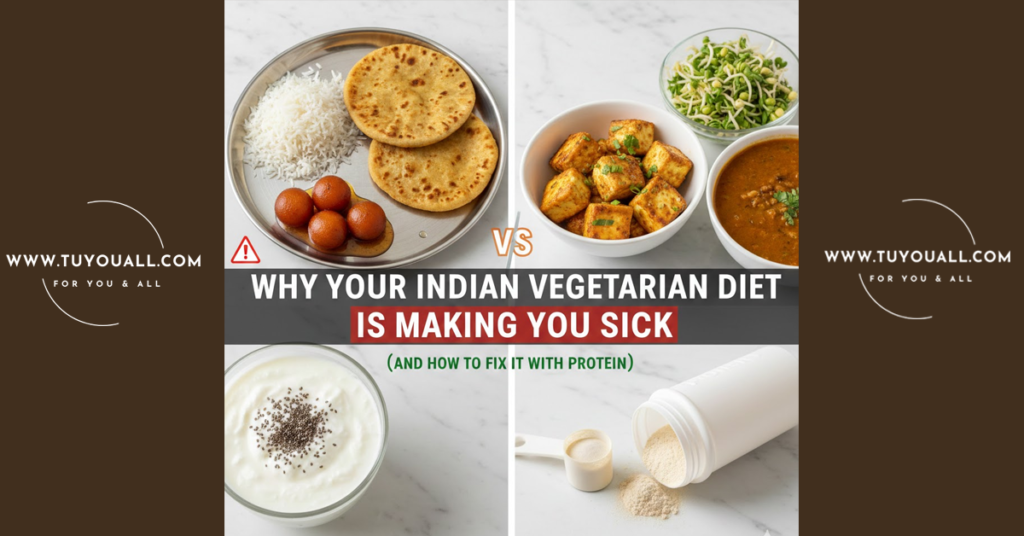
Does your typical lunch look like a mountain of rice with one small bowl of dal and a tiny portion of sabzi? If you’re nodding yes, thinking this is the picture of health, I’ve got news that might shock you: you’re not eating a balanced meal—you’re eating a carb overload that could be setting you up for diabetes, gut issues, and serious protein deficiency.
In a eye-opening conversation between Dr. Pal, a gastroenterologist, and Sangeetha Aiyer, a clinical nutritionist, the duo exposed the harsh reality of what they call the “Indian vegetarian diet problem.” From patients with stomach paralysis to the misconception that rajma chawal is a “protein meal,” they broke down why our traditional plates need a serious upgrade—and exactly how to do it without moving abroad or giving up your cultural foods.
The “Hero” of Your Plate Is the Real Villain
Here’s the uncomfortable truth: In most Indian vegetarian households, the grain is the hero, not the protein. Whether it’s three rotis or a heaping plate of rice, we structure our entire meal around simple carbohydrates, using everything else as a side character.
“I was born in a South Indian family and was vegetarian for the first 30 years,” shares Sangeetha Aiyer. “My mom raised me giving me one cup of sambar rice every day thinking I’m getting protein. But right up there, there is this misconception that dal is protein, chole is protein, chana is protein, or rajma is protein.”
The reality? These foods aren’t pure protein—they’re complex carbohydrates with some protein. When you combine rice with rajma to “complete the amino acid profile,” you’re consuming 3-4 grams of carbs for every 1 gram of protein. For a 70kg person needing roughly 70g of protein daily, that’s a mathematical disaster.
Why “Grain Maxing” Hurts Your Metabolism
When researchers looked at the actual protein intake of Indian vegetarians, the numbers were abysmal:
| Diet Type | Average Daily Protein | Daily Carbs | Health Outcome |
| Typical Indian Vegetarian | 30-40g | 250-300g | High risk of metabolic syndrome |
| Recommended (70kg person) | 70-85g | 130-150g | Optimal muscle and metabolic health |
Source: Clinical observations from Dr. Pal and Sangeetha Aiyer’s practices
“Indian vegetarian—if you look at the diet—it is a mountain of rice or three rotis, one dal, one little sabzi. The hero of the meal is always grain,” explains Sangeetha. “It should be the other way around.”
The Gastroparesis Wake-Up Call: When Diabetes Eats Your Nerves
Dr. Pal shared a chilling patient case that illustrates where this diet leads. A diabetic patient came in with severe stomach pain and vomiting. During an endoscopy (after the patient had fasted for 8 hours), Dr. Pal found retained food in the stomach—specifically, the morning dosa was still sitting there undigested.
This condition, called gastroparesis (stomach paralysis), happens when high blood sugar damages the nerves supplying the stomach. “When there is diabetes, increased sugar in the blood attacks the nerve supply,” Dr. Pal explains. “When the same thing is affecting the stomach, we call this gastroparesis.”
The kicker? The patient’s HbA1c was 8.5, and he was only taking metformin without changing his diet. This is the end result of years of “grain maxing” without adequate protein to stabilize blood sugar.
The Protein-First Solution
For this patient (and anyone with pre-diabetes or diabetes), Sangeetha recommends a four-point intervention:
- Prioritize protein and healthy fats first – Aim for 1-1.2g per kg body weight to trigger satiety hormones
- Switch to complex carbs with fiber – Non-starchy vegetables, berries, and limited low-glycemic fruits
- Lower grain consumption – Bring grains down to one meal a day, using lentils/legumes as carbohydrate sources instead of rice/wheat
- Walk after meals – A simple 15-minute stroll after eating helps glucose uptake better than medication alone
The “Delivery Vehicle” Problem (And Why You Can’t Just Eat Sabzi)
Here’s a uniquely Indian challenge that stumps even motivated patients: We don’t know how to eat food without carbs as the delivery vehicle.
As Sangeetha points out: “If I want to eat a vegetable in the Indian spectrum, I don’t know how to eat that vegetable on my own unless there is a roti with it. I don’t know how to eat dal on its own unless there is rice.”
We use simple carbohydrates as our “spoon and fork”—the vehicle that delivers other nutrients into our mouths. This creates a psychological barrier where vegetables feel “incomplete” without bread or rice.
For example, when Sangeetha visited a popular South Indian vegetarian chain in Canada to create a “20g protein, 10g fiber” meal, she hit a wall:
- Two idlis = 4g protein max
- Sambar = minimal protein, mostly carbs
- Filter coffee with milk = 8g protein (in a tiny tumbler)
- Chole = came with puri (the delivery vehicle)
She was full before hitting her protein target, illustrating the caloric inefficiency of carb-heavy vegetarian eating.
Practical Plate Flipping
To break this habit, try the “Side Dish Swap”:
- Instead of: 3 rotis + sabzi + dal
- Try: 1 roti + 2 bowls of sabzi + 100g paneer/tofu + dal as soup
- Breakfast alternative: Moong dal chilla with an egg on top, or two idlis with 100g Greek yogurt and a side of vegetables
Gut Health: Why “Healthy” Foods Make You Bloated
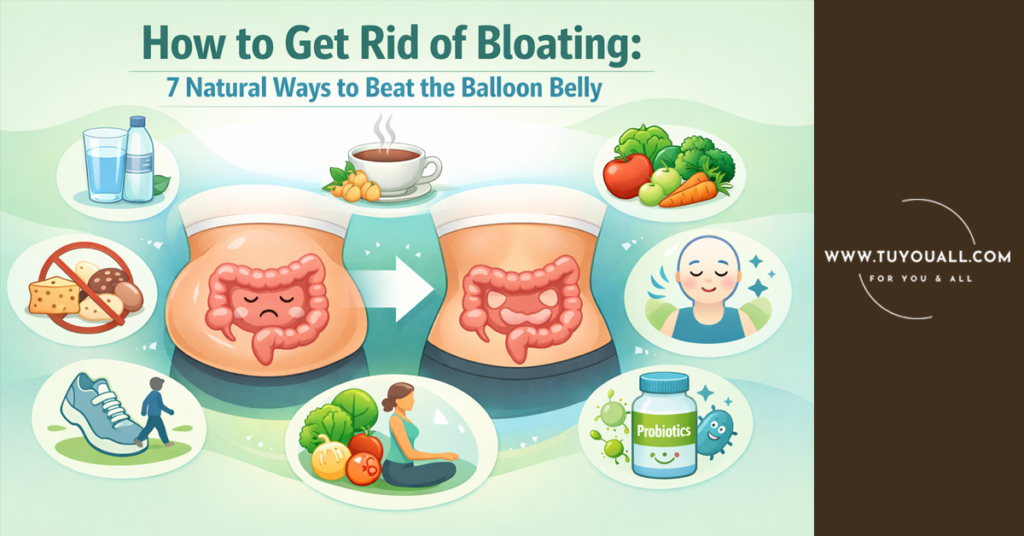
You’ve probably experienced this: You decide to get healthy, start eating more chana, rajma, and salads, and suddenly you’re bloated, gassy, and running to the bathroom. What gives?
According to Dr. Pal, you might have SIBO (Small Intestinal Bacterial Overgrowth). Normally, the small intestine has minimal bacteria (1 million), while the large intestine houses most of your gut bugs (100 trillion). When motility slows down due to stress, poor sleep, and processed food abuse, food stagnates in the small intestine.
“Bacteria love stagnant,” Dr. Pal explains. “When the motility is low, the food doesn’t get past very easily. It’s like a stagnant pipe. Our bacteria love stagnant water.”
When you then add “healthy” high-fiber legumes, the bacteria ferment them prematurely in the small intestine, producing gas and bloating. This is why IBS (Irritable Bowel Syndrome) is so common in India, and why the treatment is actually a low-FODMAP diet that temporarily eliminates lentils, legumes, and certain vegetables—ironically the very foods we consider healthy.
The 6-Week Gut Rehab
Both experts agree: You can’t fix this overnight. “The gut lining will usually take 3 months, but at least 6 weeks there’ll be some change,” says Sangeetha.
The protocol:
- Remove triggers – Temporarily reduce legumes and high-fiber foods if you have bloating
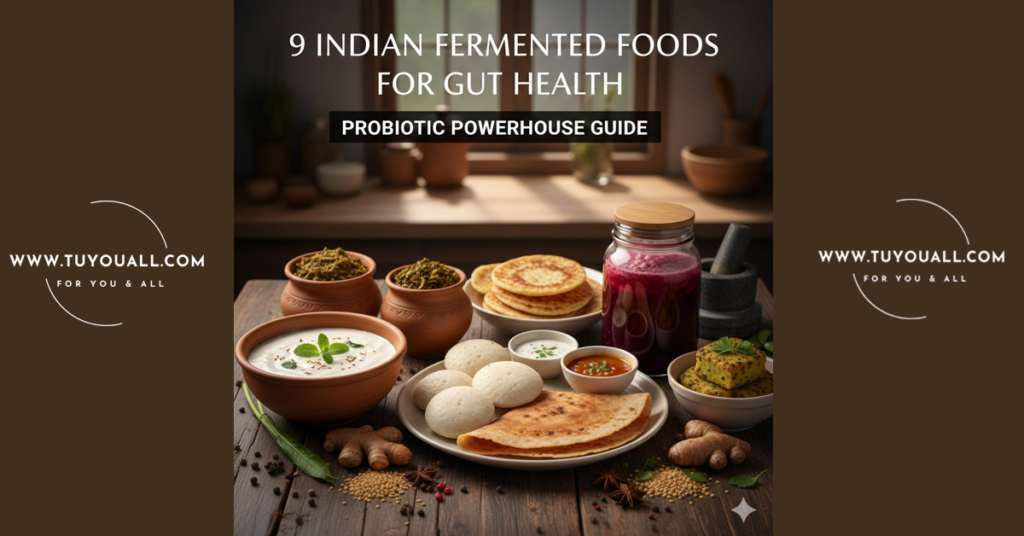
- Introduce fermented foods – Greek yogurt (unsweetened), buttermilk, and homemade curd (hang it in muslin cloth for 1-2 hours to increase protein density)
- Rotate your proteins – Don’t eat the same dal daily; mix moong, tofu, tempeh, and dairy to prevent sensitivity buildup
Intermittent Fasting: The “Good Discomfort” Your Body Needs
Both Dr. Pal and Sangeetha are big proponents of time-restricted eating, but they emphasize starting small rather than going from 0 to 16 hours immediately.
“People want to do one-month trials with me,” laughs Sangeetha. “I’m like, this is not a car you can test drive for 2 kilometers today and then say I’ll buy this car. You’ve taken 5 years, 8 years [to damage your health].”
The Gradual Fasting Ladder
| Week | Fasting Window | Practical Hack |
| Week 1-2 | 12 hours (8pm-8am) | Stop eating 3 hours before bed |
| Week 3-4 | 14 hours (8pm-10am) | Black coffee or “ghee coffee” allowed in morning |
| Week 5+ | 16 hours (8pm-12pm) | Diluted buttermilk or lime soda with salt if dizzy |
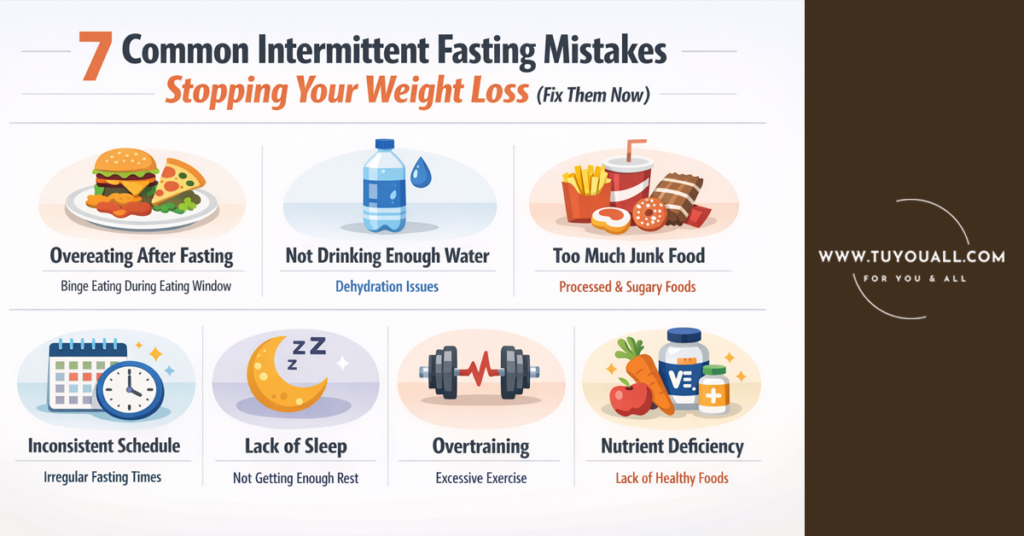
Important: If you don’t get enough protein in your first two meals, you’ll binge on junk at 4 PM (the “Witching Hour”). “If you don’t have protein-driven calories in the earlier part of the day, your propensity to junk on junk calories in the later half of the day is very high because hunger catches up,” warns Sangeetha.
Dr. Pal adds a crucial point about sleep: “You should not go to bed 3 hours after your last intake.” If you sleep at 10 PM, finish dinner by 7 PM. This ensures you enter “deep fasted state” during sleep, allowing your body to repair rather than digest.
The Oil Confusion: Ghee vs. Seed Oils
Let’s settle the fat debate. The real problem isn’t the teaspoon of ghee on your dal—it’s the seed oils hiding in everything else.
“Younger people—your app deliveries—one meal a day is outside,” Sangeetha points out. “That is a lot.” Restaurant food uses cheap, industrial seed oils (soybean, canola, safflower) that have an inflammatory Omega-6 to Omega-3 ratio of 22:1 (ideal is 2:1 or 4:1).
The hierarchy of fats:
- Best: Ghee, butter, coconut oil, cold-pressed peanut/sesame oil (rotate these)
- Okay: Olive oil (not for high-heat Indian cooking)
- Avoid: Soy chunks (highly processed), soy chops (maida + vegetable oil), reused frying oils, commercial “vegetable oils”
The soy chunk warning: “India has a product called soy chop which a lot of vegetarians eat thinking it is the tandoori chicken equivalent, but it is a lot of vegetable oil mixed with maida. It is junk,” cautions Sangeetha. Instead, choose tofu or tempeh (fermented soy, easier to digest).
Frequently Asked Questions
Q.1. Is dal a good source of protein for vegetarians?
While dal contains protein, it’s primarily a carbohydrate source with a 3:1 or 4:1 carb-to-protein ratio. For example, 100g of cooked moong dal gives you 22g protein but 70g+ carbs. Use dal as a carb source, not your main protein. Supplement with paneer, Greek yogurt, eggs, or whey protein.
Q.2. Can I follow intermittent fasting if I work night shifts?
Yes, but adjust your window to your schedule. The key is maintaining a consistent 12-16 hour fasting period and stopping food intake 3 hours before sleep—whenever that sleep may be. If you work nights, your “evening” meal might actually be at 8 AM.
Q.3. Why do I feel bloated after eating healthy foods like chana and rajma?
You likely have slow intestinal motility or SIBO (Small Intestinal Bacterial Overgrowth). When food stagnates in the small intestine, bacteria ferment healthy fibers prematurely, causing gas. Try a 6-week gut rehab with fermented foods first, then slowly reintroduce legumes.
Q.4. Is ghee bad for cholesterol?
No—when consumed in moderation (1-2 tablespoons daily), ghee is preferable to industrial seed oils. The real culprit for high triglycerides and bad cholesterol is ultra-processed foods, fried snacks, and excess carbohydrates, not traditional fats like ghee or coconut oil.
Q.5. How much protein do I actually need per day?
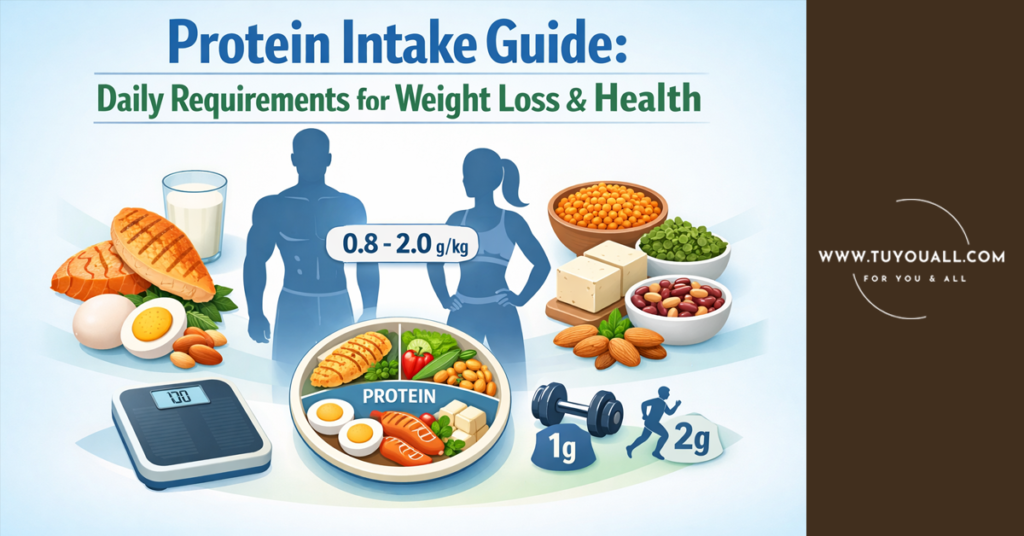
The RDA is 0.8g per kg of body weight, but for metabolic health and satiety, aim for 1-1.2g per kg. For a 70kg person, that’s 70-85g daily. Most Indian vegetarians consume only 30-40g, creating a deficiency that drives overeating.
Conclusion: Flip the Plate, Fix Your Health
The Indian vegetarian diet isn’t inherently bad—it’s just upside down. By making protein the hero (paneer, eggs, Greek yogurt, tofu), grains the sidekick (limited to one meal), and vegetables the supporting cast (300g daily), you can reverse metabolic damage without giving up your cultural identity.
Remember Sangeetha’s golden rule: “20g of protein and 10g of fiber per meal.” Start there, embrace the “good discomfort” of hunger between meals, and give your gut 6 weeks to adapt to real food.
What’s the one change you’ll make to your next meal—skipping the third roti, adding an egg to your breakfast, or trying that 12-hour fast? Drop your commitment in the comments below.
Credit Section :
This blog post is based on insights from Dr. Pal and Sangeetha Aiyer’s YouTube video: “Why The Indian Vegetarian Diet Is Making You Sick (And How To Fix It)” from the channel Gut Feeling with Dr. Pal.