This blog post is based on insights from Dr. Salim’s YouTube video: “अगर आपको लगता है कि सिर्फ हेल्दी फूड खाने से आपके खून की नसें साफ हो जाएंगी तो आप गलत हैं“ (If you think eating only healthy food will clean your blood vessels, you are wrong).
Have you ever wondered why your friend who eats “healthy” and hits the gym suddenly suffered a heart attack at 35? Or why your cholesterol levels look perfect on paper, but your doctor still looks worried?
Here’s the uncomfortable truth that might shake you: The state of your arteries isn’t just about what you eat—it’s about what happens inside your body when you eat. For years, we’ve been told to fear butter, avoid ghee, and banish oil from our kitchens. But if that advice worked, why are heart attacks striking younger, fitter people more than ever before?
Today, I’m going to reveal a secret that even 90% of doctors get wrong. The number one “meal” that protects your arteries isn’t a meal at all. It’s something you’ve probably never considered as medicine. By the end of this article, you’ll understand the hidden game playing out inside your blood vessels right now—and exactly how to win it.
The Real Culprit Behind Blocked Arteries (Hint: It’s Not Just Cholesterol)
When we talk about heart attacks and artery blockages, the conversation always starts and ends with cholesterol, triglycerides, and fats. But we’re missing the most important piece of the puzzle: insulin resistance.
“Wait,” you might be thinking, “doesn’t plaque come from cholesterol? Where does insulin suddenly come from?”
You’re right to ask. Cholesterol is indeed the raw material for plaque, but here’s what most people don’t understand: Cholesterol only becomes dangerous when your metabolism is broken.
Think of it this way—LDL cholesterol is like a cargo train, and your arteries are the railway tracks. If the tracks are strong and smooth, trains pass through without incident all day long. The problem starts when the tracks develop cracks and weaknesses. When that happens, the train can derail, causing a catastrophic accident.
Those “cracks” in your artery walls? They’re caused by chronic inflammation from—you guessed it—elevated insulin levels.
The Insulin Spiral of Death
When your body can’t properly burn carbohydrates (either because you eat too many or your cells are resistant), sugar stays in your bloodstream longer than it should. To control this sugar, your pancreas pumps out more insulin. At first, this works. But over time, day after day of high insulin, your cells stop listening. They become resistant.
This triggers what I call the “Insulin Spiral of Death”:
- Blood sugar spikes (from bread, pasta, fruit juices—not just sugar)
- Insulin surges to manage the sugar
- Cells become resistant to insulin’s message
- Body stops burning fat and starts storing it
- Weight gain, especially belly fat
- Hunger and cravings increase
- Inflammation rises throughout the body
- Artery walls weaken and develop micro-cracks
- LDL cholesterol gets trapped, forming plaque
- Heart attack risk skyrockets
Many people think avoiding table sugar is enough. But the truth? Bread, pasta, maida-based foods, and even packaged fruit juices spike your blood sugar faster than a spoonful of sugar. Their glycemic index is so high that they create the same insulin response—sometimes worse.
Four Dangerous Myths About Heart Health That Could Cost You Your Life
Let’s dismantle some common misconceptions that are literally killing people.
Myth #1: “High LDL Cholesterol Means I’m at High Risk for Heart Attack”
This is partially true but dangerously incomplete. Yes, LDL is a risk factor, but it’s not the criminal—it’s just the material at the crime scene.
Remember the train analogy? The cargo train (LDL) only causes problems when the railway tracks (your arteries) are damaged. High insulin levels create those cracks in your artery walls. Without inflammation, LDL cholesterol flows through harmlessly. With inflammation, it gets stuck and starts building plaque.
The bottom line: Inflammation is the real enemy. LDL is only dangerous in the presence of chronic inflammation.
Myth #2: “Young People Don’t Get Heart Attacks”
This is perhaps the most dangerous myth of all. Studies now show that 18 to 20-year-old students are already showing early signs of plaque buildup. In countries like India, where carbohydrate and sugar consumption is exceptionally high, people are getting bypass surgeries in their 30s.
Age is no guarantee of safety. Plaque buildup is starting earlier than ever, which means everyone needs to pay attention—not just your parents’ generation.
Myth #3: “I Don’t Eat Sugar, So I’m Safe”
If only it were that simple. Sugar is just one culprit. White bread, pasta, noodles, biscuits, and packaged fruit juices spike blood sugar even faster than table sugar. Their high glycemic index means they convert to glucose rapidly, triggering the same insulin response.
Just avoiding sweets or sugar in your tea isn’t enough. You need to avoid all refined carbohydrates in every form.
Myth #4: “Getting a Stent Means I’m Safe from Future Heart Attacks”
This is a life-threatening misunderstanding. A stent is an emergency patch—it saves your life during a heart attack by opening a blocked artery. But it does NOT prevent future heart attacks.
Think of it like this: If your house pipe has a hole and you put tape on it, the water stops leaking—for now. But the rust and weakness inside the pipe remain. The pipe can burst elsewhere at any moment.
Stents are temporary fixes. Permanent prevention only comes from fixing your lifestyle and metabolism.
The #1 “Meal” for Your Arteries: Fasting
Now for the revelation you’ve been waiting for. The best thing you can do to protect your arteries isn’t eating some exotic superfood—it’s not eating at all.
Fasting is the number one “meal” for heart health.
Dr. Salim, a holistic health specialist with 20 years of experience treating heart patients, puts it perfectly: “Fasting is like cleaning your kitchen. When you cook daily, dishes pile up, garbage accumulates, and deep cleaning becomes difficult. But if you close the kitchen for a day and focus only on cleaning, the job becomes manageable. Fasting does exactly this for your body’s kitchen.”
How Fasting Cleans Your Arteries
When you fast, something remarkable happens inside your cells. Your body initiates a process called autophagy—a cellular cleaning mechanism where cells recycle their old, damaged parts. This is your arteries’ real cleaning campaign.
Here’s what fasting does for your heart:
| Benefit | How It Protects Your Heart |
| Reduces inflammation | Lowers the risk of soft plaque rupture (the main cause of heart attacks) |
| Improves insulin sensitivity | Breaks the insulin resistance cycle |
| Stabilizes existing plaque | Makes current buildup less likely to rupture |
| Reduces hunger hormones | Decreases cravings and overeating |
| Triggers fat burning | Reduces dangerous visceral (belly) fat |
| Lowers blood pressure | Reduces strain on arterial walls |
How to Start Fasting Safely: A Beginner’s Guide
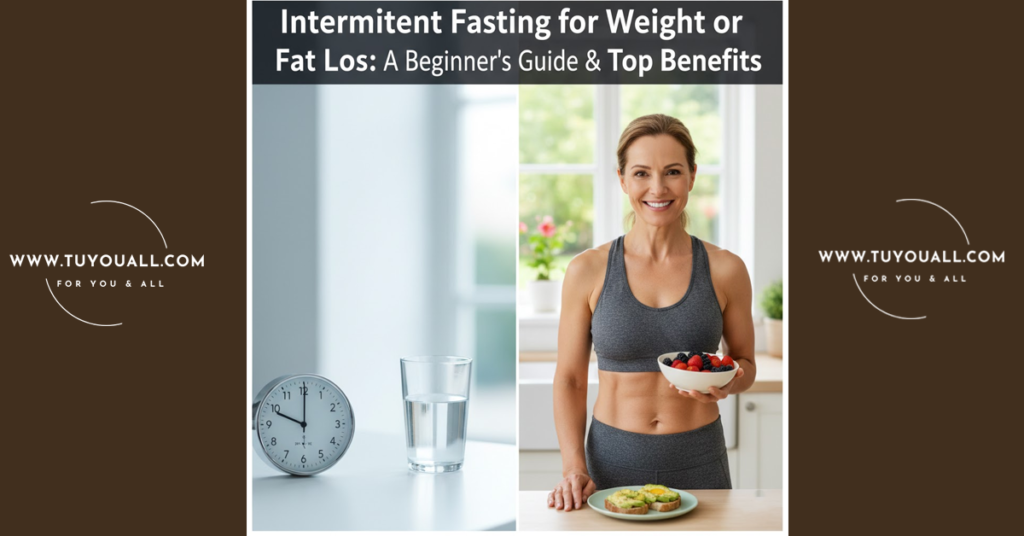
If you’re new to fasting, don’t jump into a 24-hour fast immediately. Your body needs time to adapt. Here’s how to start:
Phase 1: The 12-14 Hour Window (Daily Practice)
- Eat dinner earlier (around 7 PM)
- Eat breakfast later (around 9-10 AM)
- This creates a 14-hour overnight fast
- Safe to do daily
Phase 2: The 16-Hour Fast (4-5 Days/Week)
- Finish dinner by 6 PM
- Skip breakfast, eat lunch at 12 PM
- Or finish dinner at 8 PM, eat at 12 PM next day
- Drink plenty of water, green tea, black coffee, lemon water, or coconut water during fasting hours
Phase 3: Longer Fasts (Monthly Practice)
- 24-hour fasts: Once or twice a month
- Always consult a doctor before attempting longer fasts
What to Eat When You Break Your Fast
After fasting, don’t binge on heavy food. Break your fast with:
- Simple home-cooked meals
- Vegetables and lentils (dal)
- Good quality protein
- Low carbohydrate options
- Avoid heavy, greasy, or processed foods
Important Safety Warning
Fasting is NOT safe for everyone. If you have diabetes and take insulin or blood sugar medications, or if you’re pregnant or breastfeeding, always fast under medical supervision only.
FAQ: Your Fasting and Heart Health Questions Answered
Q: Will fasting make me lose muscle mass?
A: No. Short-term fasting actually increases growth hormone, which preserves muscle. Your body burns fat for fuel, not muscle, during intermittent fasting periods up to 24 hours.
Q: Can I drink coffee while fasting?
A: Yes, black coffee and green tea are fine during fasting windows. Avoid adding sugar, milk, or cream as they break your fast and spike insulin.
Q: How quickly will I see results in my cholesterol levels?
A: Many people see improvements in triglycerides and inflammation markers within 4-8 weeks of consistent intermittent fasting. However, LDL cholesterol may take 3-6 months to show significant changes as your body heals metabolic damage.
Q: Is fasting safe for people with existing heart conditions?
A: It depends on the condition and medications. While fasting can benefit heart health long-term, anyone with a diagnosed heart condition should consult their cardiologist before starting, especially if taking blood thinners or blood pressure medication.
Q: What’s the best fasting schedule for beginners?
A: Start with the 12/12 method (12 hours fasting, 12 hours eating window) for one week, then gradually extend to 14/10, and eventually 16/8. The key is consistency, not perfection.
The Bottom Line: Your Heart Deserves Better Than Quick Fixes
We’ve been sold a simplified story about heart health for too long. Cholesterol isn’t the villain—inflammation is. Stents aren’t cures—they’re emergency patches. And youth isn’t protection against plaque buildup.
The most powerful tool for cleaning your arteries isn’t found in a pharmacy or a health food store. It’s the ancient practice of giving your body a break from digestion, allowing it to heal, repair, and regenerate through autophagy.
Fasting isn’t punishment—it’s a gift to your heart. Feeling more energetic while eating less, keeping blood pressure and sugar in control, and dramatically reducing heart attack risk—that’s the real magic.
But remember: Start slow, be consistent, and listen to your body. This isn’t a race. It’s a lifestyle change that could add years to your life and life to your years.
What’s Your Next Step?
Are you ready to try your first 12-hour fast this week? Or maybe you’re already fasting and have questions about optimizing your schedule? The journey to heart health starts with a single decision to do something different from what everyone else is doing.
Credit Section:
This blog post is based on insights from Dr. Salim’s YouTube video: “अगर आपको लगता है कि सिर्फ हेल्दी फूड खाने से आपके खून की नसें साफ हो जाएंगी तो आप गलत हैं“ (If you think eating only healthy food will clean your blood vessels, you are wrong).
The original content has been translated, expanded, and repurposed for educational purposes.