This blog post is based on insights from Dr. Pal Manik’s YouTube video: “Why Protein is So Much Important to You: How Much Protein Do You Actually Need Per Day?”
Ever had a relative warn you that eating too much chicken will destroy your kidneys? Or scrolled past those intimidating gym posts that make protein seem like it’s only for bodybuilders? You’re not alone. Most of us grew up thinking protein was just a “muscle food,” while quietly filling our plates with rice, dosa, and chapati—carb central.
But here’s the truth: protein isn’t optional. It’s essential for everyone. Whether you’re trying to lose belly fat, maintain healthy skin, or simply stop feeling hungry every two hours, getting your daily protein requirement right changes everything. This guide breaks down exactly how much you need, where to get it, and why those scary kidney damage myths belong in the trash folder with those WhatsApp forwards.
Why Protein Is Your Body’s Ilayaraja (The Music Director of Health)
“Protein is like Ilayaraja’s music,” says Dr. Pal Manik. “It is very instrumental in keeping us healthy. If not consumed adequately, there is an instrument called a stretcher which might be used in your life sooner than what you think.”
That’s a dramatic way of saying protein does two critical jobs:
The Two Superpowers of Protein
1. It Repairs Your Body’s “Daily Damage”
Every day, your body breaks down tissues from walking, thinking, even breathing. Protein rebuilds your muscles, bones, cartilage, and skin. Without enough, your body can’t fix itself properly.
2. It Switches Off Your Hunger Like a Remote Control
Protein boosts leptin, your “I’m full” hormone. This means you naturally eat fewer total calories without feeling deprived. As Dr. Pal puts it: “It is exactly like Mani Ratnam movie dialogues—the words are short but the impact stays longer in your brain.”
For example, imagine eating a plain dosa versus an egg dosa. The egg version keeps you satisfied for 4 hours, while the plain one has you raiding the snack cabinet by 11 AM. That’s protein’s power in action.
How Much Protein Do You ACTUALLY Need?
This is where most people get confused. The answer depends on your body weight and goals.
The Universal Minimum (Even If You’re Skinny)
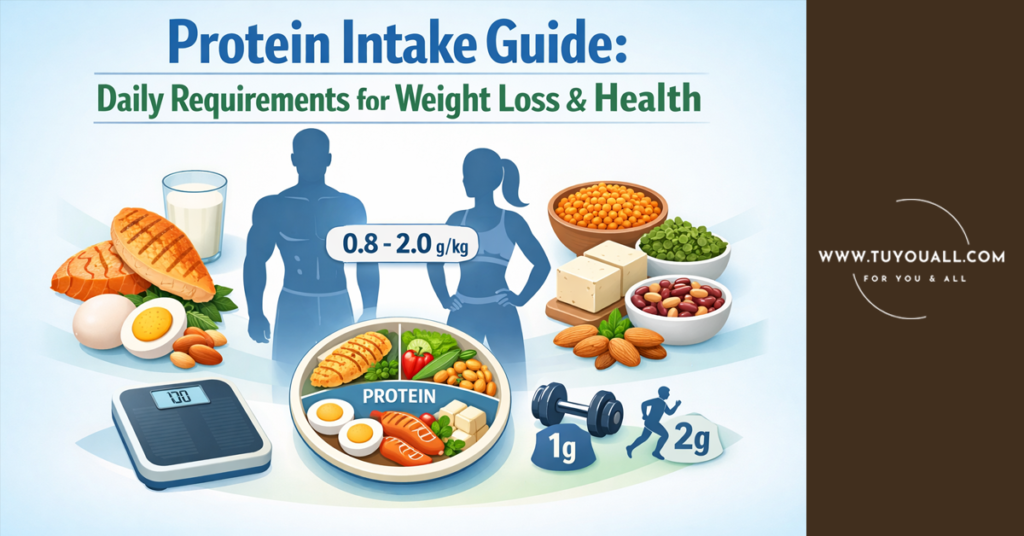
Every adult needs 0.8 grams of protein per kilogram of body weight. No exceptions.
For example, if you weigh 70 kg (154 lbs), you need at least 56 grams of protein daily. This applies whether you’re a software engineer, a busy parent, or even Arnold Schwarzenegger in his prime.
The Weight Loss Protein Formula
If you’re overweight or carrying belly fat, bump that up to 1 gram per kilogram.
For example, an 80 kg person aiming to lose weight should target 80 grams of protein per day. Why? Because higher protein makes you feel fuller, so you automatically consume fewer carbs and calories.
| Weight | Maintenance (0.8g/kg) | Weight Loss (1g/kg) |
| 60 kg | 48 grams daily | 60 grams daily |
| 70 kg | 56 grams daily | 70 grams daily |
| 80 kg | 64 grams daily | 80 grams daily |
| 90 kg | 72 grams daily | 90 grams daily |
Busting the Biggest Protein Myths
“Will Protein Damage My Kidneys?”
Absolutely not—for healthy people. Dr. Pal is blunt: “There has been some misconception that if you take too much protein there will be organ damage including kidney damage, which is absolutely not true.”
Your kidneys are designed to handle protein. The only exception? People who already have kidney disease. Even then, sticking to the standard 0.8g/kg is perfectly safe. The key is staying well-hydrated. Think of water as the river that helps your kidneys flush everything smoothly.
As Dr. Pal jokes with his wife: “If you don’t take enough protein in your diet, you will end up getting one kidney regardless whether you sell it or not.” Dark humor, but the point stands—poor nutrition damages health more than adequate protein ever will.
“Is Protein Only for Gym Buffs?”
“Unfortunately, media has created this impression that protein is only for people who go to gym,” says Dr. Pal. “If you eat too much protein, your gymnastic body will become gymnasty body.”
The reality? Protein is for everyone who wants to stay alive and healthy. Grandma needs it to prevent muscle loss. A teenager needs it for growth. You need it to avoid that 3 PM energy crash.
Your Protein Source Playbook: Natural Foods vs. Powders
The Best Natural Protein Sources
Here’s what real food looks like in protein numbers:
For Non-Vegetarians:
- 140g chicken breast ≈ 38g protein
- 1 large egg ≈ 6g protein
For Vegetarians:
- 1 cup milk ≈ 10g protein
- 1 slice cheese ≈ 7g protein
- 100g kidney beans (rajma) ≈ 9g protein
- Handful of nuts ≈ 6g protein
For Vegans:
- Tofu, tempeh, legumes
- Soybeans and soy products
The Truth About Protein Powder (The “Free Hit” Problem)
Protein powder is essentially purified whey (the liquid leftover from making cheese) or plant-based isolates. One scoop packs 25-30g of complete protein—super convenient.
But there’s a catch: “The biggest problem with these protein powders is it is not FDA regulated,” warns Dr. Pal. “It is completely up to the manufacturer to do whatever they want. It is similar to a free hit after a no-ball—they can smash whatever and whenever.”
Many brands add sugars for taste, and some even contain heavy metals like lead or mercury. Scary stuff.
Safe Protein Powder Rules:
- Choose whey protein concentrate or isolate (or verified vegan options)
- Check the ingredient list—it should be as short as possible
- Supplement only 10% of your daily protein needs from powder
- Get the remaining 90% from whole foods
For example, if you need 70g daily, use one scoop (25g) only on super busy days, and rely on eggs, milk, and lentils for the rest.
Practical Strategies to Hit Your Daily Target
The “Protein in Every Meal” Method
You don’t need a calculator. Just include one protein source in every meal.
Breakfast: Add an egg to your dosa, or have paneer bhurji on the side.
Lunch: Mix dal with rice instead of just sambar water (Dr. Pal’s childhood mistake!).
Dinner: Grilled chicken, fish, or rajma curry.
Spread it across your 21 weekly meals. Small, consistent amounts work better than one giant protein bomb.
Dr. Pal’s Personal Protein Strategy
“I start with my plant-based whole foods like tofu, tempeh, soybeans,” he shares. “If I don’t meet the requirement, then I go for egg, milk, and cheese. I will limit my non-vegetarian consumption to 1 meal per week.”
This approach prioritizes fiber-rich plant proteins, adds dairy for convenience, and saves meat for occasional consumption. It’s sustainable, gut-friendly, and aligns with promoting good bacteria in your small intestine.
His hierarchy:
- Plant proteins (tofu, legumes, soybeans)
- Dairy/eggs (milk, cheese, eggs)
- Occasional meat (1 meal/week)
- Powder (10% supplement, only when necessary)
Frequently Asked Questions (FAQ)
Q: Can I get enough protein as a vegetarian?
A: Absolutely. You’ll need to be more conscious, but combinations like dal-rice, paneer, milk, and nuts work perfectly. For example, 2 cups of dal + 2 glasses of milk + an egg gets you to 50g+ easily.
Q: What happens if I suddenly increase my protein intake?
A: You might feel bloated or gassy for a few days. Your body needs time to adjust. Increase slowly over a week, or try different sources like dairy-free options if symptoms persist.
Q: Is protein powder necessary for weight loss?
A: No. Whole foods are always better. Use powder only as a backup for 10% of your needs on busy days. Think of it as a supplement, not a solution.
Q: How do I know if I’m eating enough protein?
A: Read food labels. Look for protein content per serving. If you’re rarely hungry between meals and maintaining muscle, you’re likely on track. If you’re constantly snacking, increase protein.
Q: Are there any side effects of high protein intake?
A: For healthy individuals—none, as long as you drink plenty of water. Temporary digestive discomfort is normal when starting. Kidney damage only concerns those with pre-existing kidney disease.
Your Action Plan Starting Today
Protein isn’t a bodybuilding secret. It’s a basic building block for a healthier, less hungry you. The Indian diet’s carb-heavy nature makes it easy to miss your daily protein requirement, but small changes create big results.
Start here: Read the label on tomorrow’s breakfast. Add one egg. Swap watery sambar for thick dal. Choose a handful of nuts over chips. These micro-shifts guarantee you hit your protein target without obsession.
What about you? Drop your weight and waist circumference in the comments below, and we’ll tell you your exact daily protein number for both maintenance and weight loss.
Credits & Call to Action
This blog post is based on insights from Dr. Pal Manik’s YouTube video: “Why Protein is So Much Important to You: How Much Protein Do You Actually Need Per Day?”
If this guide helped you understand protein better, consider supporting Dr. Pal’s Aaram Trust, which provides hospice comfort care for patients without financial or family support. Remember: one bite at a time, one life improved.