This blog post is based on insights from Dr. Pal‘s YouTube video: “How to Reduce Bloating Naturally: Causes, Remedies & Gut Health Tips.”
Have you ever looked in the mirror and wondered if your stomach could actually pop? You know the feeling—one minute your tummy is flat, and the next, you look like you swallowed a balloon. Maybe a friend even pointed at your midsection and joked, “Boy or girl?” and you laughed it off, blaming that extra masala dosa from lunch.
If this sounds familiar, you’re not alone. Bloating is frustrating, unpredictable, and downright uncomfortable. It can turn a confident day into one where you’re secretly unbuttoning your jeans under the table.
The good news? You don’t need extreme diets or expensive supplements to fix this. Today, we’re breaking down exactly how to reduce bloating naturally—from understanding why your gut rebels to proven remedies that actually work.
Why Is My Stomach Bloated? Understanding the Root Causes
Before we dive into solutions, we need to play detective. Bloating isn’t caused by just “one thing,” and without finding your specific root cause, no remedy will stick.
As Dr. Pal explains, “Your gut bacteria are like event decorators, which balloon the stomach with gas during the fermentation party.” —Dr. Pal
Here are the major culprits behind that uncomfortable puffiness:
The Fermentation Problem (Gas Buildup)
For most people, bloating happens because of excess gas in the gut. Your gut bacteria ferment certain foods, and this process releases gas. Some foods are more difficult to digest than others, causing more fermentation and—you guessed it—more bloating.
If you regularly eat beans, onions, garlic, dairy, sugar-free products, or cruciferous vegetables like broccoli, cauliflower, and cabbage, these might be your troublemakers.
Dr. Pal shares a story about his patient Arogyasamy, who felt “crucified” that healthy cruciferous vegetables didn’t suit him. He came to the hospital hoping the medical cross would resurrect him from his bloating misery. Sometimes, even healthy foods can be the villain.
Swallowing Too Much Air
Sometimes the air causing your bloat isn’t coming from food fermentation—you’re literally swallowing it. You might be:
- Eating too fast
- Talking while chewing
- Drinking through a straw
- Chewing gum all day
Dr. Pal mentions his friend Saravana Kumar, who swallows even the air that carries the smell of mutton biryani. The result? More air in your stomach means more gas buildup and, of course, bloating.
Constipation and Slow Digestion
When food sits in your gut for too long, it has more time to ferment, which means more gas buildup. If you often feel bloated and haven’t been visiting the bathroom regularly, constipation might be your real problem.
As Dr. Pal wisely puts it: “Even food can’t be lazy, it shouldn’t sit long in your stomach, it has to move. Whatever happens life has to move on, but shit will happen only if the foods move on.” —Dr. Pal
Food Intolerances
If every time you eat dairy or gluten you feel like you’re carrying a brick in your stomach, your body might not be digesting these properly. Food intolerances can make bloating significantly worse because your gut lacks the enzymes to break down these specific foods.
Foods That Cause Bloating: The Usual Suspects
While everyone’s gut is different, certain foods are repeat offenders when it comes to bloating. Here’s a quick reference guide:
| Food Category | Examples | Why They Cause Issues |
| Cruciferous Vegetables | Broccoli, cauliflower, cabbage, kale | High fiber and raffinose (complex sugar) ferment easily |
| Legumes | Beans, lentils, chickpeas | Contain oligosaccharides that gut bacteria love to ferment |
| Dairy Products | Milk, cheese, ice cream | Lactose intolerance affects 65% of the global population |
| Alliums | Onions, garlic | High in fructans, which can cause gas in sensitive people |
| Sugar Alcohols | Sorbitol, mannitol (in sugar-free gum/candy) | Poorly absorbed, leading to fermentation |
| Carbonated Drinks | Soda, sparkling water | Directly introduce gas into your digestive system |
Pro Tip: You don’t have to cut out everything at once. Test and adjust based on how your body reacts. Remove suspected foods for a few days and monitor your symptoms.
How to Reduce Bloating Naturally: 5 Proven Strategies
Now that we know what’s causing the problem, let’s fix it. Here are five practical, no-nonsense strategies to beat the bloat:
1. Identify Your Personal Trigger Foods
Play food detective. Dr. Pal investigated his patient Arogyasamy’s diet by first checking the usual suspects—breakfast, lunch, and dinner. He found clues in the snacks, but finally discovered the real culprit: his phone app, Swiggy (constant food delivery).
Action step: Keep a food diary for one week. Write down what you eat and when you feel bloated. Patterns will emerge quickly.
2. Slow Down Your Eating
This sounds too simple to work, but it makes a huge difference. When you eat too fast, you swallow a lot of air, and that air gets trapped in your gut.
Dr. Pal notes that people with siblings often eat fast so their sister won’t steal the extra dosa. And at marriage dining halls, people stand behind you staring at your mouth, expecting you to gulp all the varieties in one scoop.
Better habits:
- Chew your food properly (aim for 20-30 chews per bite)
- Don’t talk while eating
- Avoid drinking from straws
- Put your fork down between bites
Bonus: If you talk less during client lunches and focus on eating slowly, you might actually get promoted because you’re not distracted!
3. Stay Hydrated and Keep Moving
Dehydration slows digestion, which makes bloating worse. Drinking at least eight glasses of water a day helps keep your gut moving and reduces constipation.
Dr. Pal advised his wife to carry a 2-liter water bottle everywhere. She agreed, and now he ends up carrying both her handbag and the water bottle—but hey, no bloating!
Movement is equally crucial. Have you ever noticed that your bloating feels better after a walk? That’s because physical activity helps push gas through your digestive system. Even a short 10-minute walk after meals can make a significant difference.
4. Fix Your Gut Health
If your gut bacteria are out of balance, bloating becomes a constant problem. An unhealthy microbiome leads to excessive fermentation even with normal food portions.
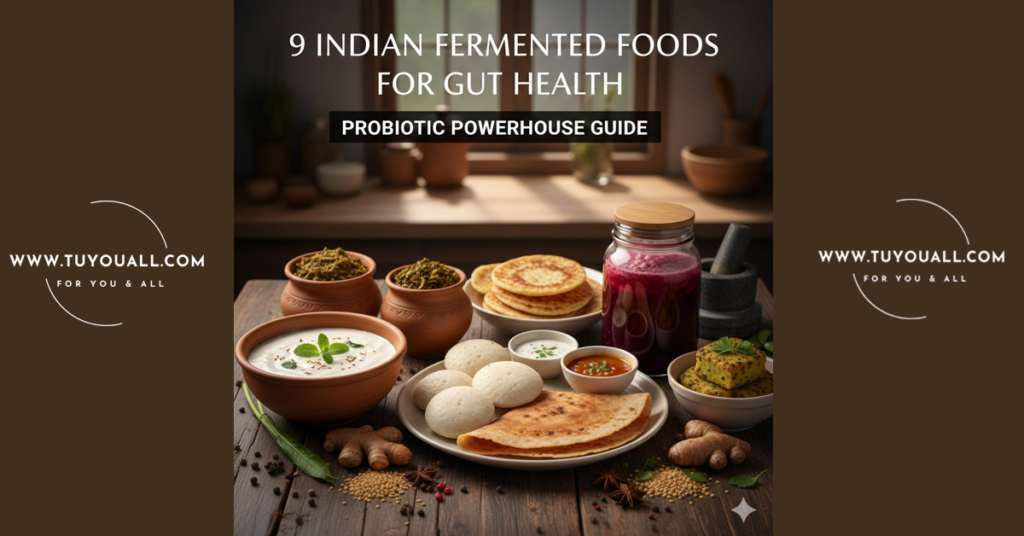
While this article focuses on quick fixes, building long-term gut health is essential for permanent relief. Consider incorporating probiotic-rich foods like yogurt (if you’re not dairy-sensitive), kefir, sauerkraut, or kimchi into your diet.
5. Address Food Intolerances
If you suspect dairy or gluten is your enemy, try an elimination diet. Remove the suspected food for 2-3 weeks, then reintroduce it and see how you feel. If the bloating returns, you’ve found your answer.
Natural Remedies for Bloating That Actually Work
When you need immediate relief, Mother Nature has your back. Here are science-backed remedies that can soothe your stomach:
Peppermint Tea
Peppermint is well-known for its ability to relax digestive tract muscles and reduce spasms in the gut, helping gas move through more easily.
How to use it:
Steep one teaspoon of dried peppermint leaves or one peppermint tea bag in hot water for 10 minutes and drink it after meals.
(Dr. Pal jokes that foodies might add Polo peppermint candy to hot water and call it peppermint tea—don’t do that!)
Ginger: The Digestive Powerhouse
Ginger is a powerful anti-bloating remedy because it makes food move faster through your stomach and intestines, reducing the chance of fermentation. The compound gingerol has anti-inflammatory effects that soothe the gut lining.
How to use it:
- Chew on a small piece of fresh ginger
- Make ginger tea by boiling sliced ginger in water for 10 minutes
- Add fresh ginger to your meals
Dr. Pal references the famous Kamal song “Inji idupazhagi” (Ginger is like a beautiful woman’s waist), noting that Kamal knows about his diet and his heroines—ginger keeps things moving smoothly, just like the analogy suggests.
Cumin Seeds
Cumin seeds stimulate digestive enzymes and help break down food more efficiently, reducing gas. Drinking cumin water can be particularly helpful after meals.
Simply boil a teaspoon of cumin seeds in water, strain, and drink warm.
Fennel, Clove, and Caraway Seeds
- Fennel seeds: Chewing these after meals helps release trapped gas (that’s why they’re placed at restaurant billing counters—though Dr. Pal’s subscriber Subramani treats them like a main course!)
- Clove: Traditionally used to treat digestive issues, it helps prevent excessive gas formation. Chew one clove after meals or add it to herbal teas.
- Caraway seeds: These have antispasmodic properties that relieve bloating and stomach cramps. Brew them into a tea or chew a small amount after meals.
Remember: Most of these are trial-and-error methods. Start with one remedy and see how your body responds.
When to See a Doctor: Red Flags
While most bloating is harmless and manageable with lifestyle changes, certain symptoms require medical attention. Consult a doctor immediately if you experience:
- Severe abdominal pain
- Blood in your stool
- Persistent diarrhea or constipation
- Unintentional sudden weight loss
These could indicate underlying medical conditions that need professional treatment.
Frequently Asked Questions (FAQ)
Q.1.: How long does it take to reduce bloating naturally? A: With dietary changes and remedies like peppermint or ginger tea, you can see relief within a few hours to 24 hours. However, identifying and eliminating trigger foods may take 2-3 weeks of consistent tracking.
Q.2.: Can drinking water help reduce bloating? A: Yes! Drinking adequate water prevents constipation and helps flush excess sodium from your body, both of which reduce water retention and bloating. Aim for 8 glasses daily.
Q.3.: Are cruciferous vegetables bad for bloating? A: Not necessarily “bad,” but they contain raffinose, a complex sugar that ferments easily. If you’re sensitive, try cooking them thoroughly (which breaks down some fibers) or eating smaller portions.
Q.4.: Is bloating a sign of serious illness? A: Usually, no. Most bloating is caused by diet, eating habits, or mild food intolerances. However, if accompanied by severe pain, blood in stool, or unexplained weight loss, see a doctor immediately.
Q.5.: Can stress cause bloating? A: Absolutely. Stress affects your gut-brain connection and can slow digestion or increase sensitivity to gas. Managing stress through walking, meditation, or deep breathing can significantly help reduce bloating naturally.
Conclusion
Bloating doesn’t have to control your life or your wardrobe choices. By understanding your body’s specific triggers—whether it’s that extra serving of beans, eating too fast, or not drinking enough water—you can take control of your digestive health.
Start with the basics: slow down when you eat, identify your trigger foods, stay hydrated, move your body, and keep natural remedies like ginger and peppermint tea handy. Your gut will thank you with a flatter, more comfortable tummy.
What’s your biggest bloating trigger? Share your experience in the comments below, and let’s help each other find relief!
Credit Section:
This blog post is based on insights from Dr. Pal‘s YouTube video: “How to Reduce Bloating Naturally: Causes, Remedies & Gut Health Tips.”