This blog post is based on insights from Dr. Pal’s YouTube video: “How to Beat Bloating Naturally: Root Causes & Remedies.”
Has your friend ever looked at your tummy and asked, “Boy or girl?”—and you had to admit it was just last night’s masala dosa? If you’ve ever felt like your stomach suddenly inflates like a balloon after meals, leaving you sluggish, uncomfortable, and maybe a little embarrassed, you’re not alone.
Bloating is frustrating, unpredictable, and can turn a good day into a struggle with your own jeans. But here’s the good news: you don’t need expensive supplements or extreme elimination diets to fix it. Today, we’re breaking down exactly how to get rid of bloating naturally—by understanding what’s really happening in your gut and using simple, proven strategies that work.
By the end of this guide, you’ll have a practical roadmap to identify your personal triggers and soothe your digestive system for good.
Why Do You Feel Like a Balloon? Uncovering Stomach Bloating Causes
Before we jump into solutions, we need to talk about why you’re bloated in the first place. As Dr. Pal emphasizes, “Without finding YOUR root cause, no remedy will work.”
Bloating isn’t caused by just one thing. For most people, it stems from excess gas in the gut, but the reasons behind that gas can vary. Here are the major culprits:
The Fermentation Party in Your Gut
Your gut contains trillions of bacteria that help digest food. Think of them as “event decorators” that sometimes get too enthusiastic. When they ferment certain foods, they release gas that literally balloons your stomach.
Foods that cause bloating most often include:
- Beans and legumes
- Onions and garlic
- Dairy products
- Sugar-free products (sorbitol, mannitol)
- Cruciferous vegetables like broccoli, cauliflower, and cabbage
For example, Dr. Pal shares the story of his patient Arogyasamy, who felt “crucified” that healthy cruciferous vegetables didn’t suit him. He came to the hospital hoping the medical cross would resurrect him from his digestive misery. Sometimes the healthiest foods can be the worst offenders for your specific gut.
Are You Swallowing Air Without Knowing?
Sometimes bloating has nothing to do with what you eat, but how you eat it. If you’re eating too fast, talking while chewing, drinking through a straw, or chewing gum all day, you’re basically swallowing air. That air gets trapped in your digestive tract and builds up.
As Dr. Pal humorously notes, “My friend Saravana Kumar swallows even the air that carries the smell of mutton biryani.”
When Your Digestive System Hits Snooze
Constipation is another major trigger. When food sits in your gut for too long, it ferments longer, producing more gas. If you haven’t been regular with your bathroom visits, this might be your primary issue.
“Whatever happens, life has to move on,” Dr. Pal says, “but shit will happen only if the foods move on.”
Food Intolerances: The Hidden Enemy
If every time you eat dairy or gluten you feel like you’re carrying a bowling ball in your stomach, you might have a food intolerance. Your body isn’t producing the enzymes needed to break down these foods properly, leading to fermentation and gas.
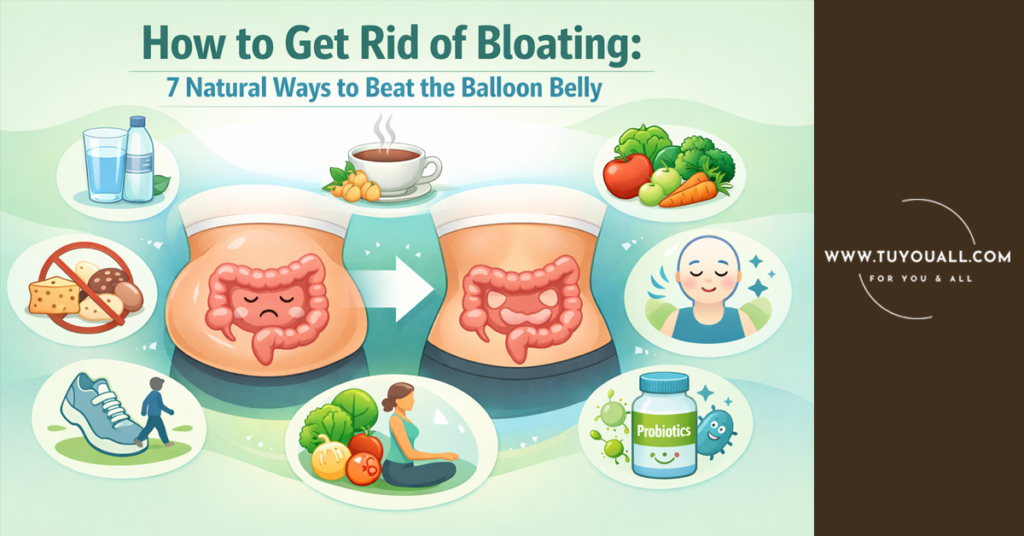
How to Get Rid of Bloating: Your 7-Step Action Plan
Now that you know the enemy, here’s your battle strategy. These digestive health tips focus on sustainable lifestyle changes rather than quick fixes.
1. Play Detective with Your Diet
Don’t cut out everything at once—that’s a recipe for frustration and nutrient deficiencies. Instead, investigate like a detective.
Start by eliminating one suspected trigger food for 3-5 days and see how you feel. Dr. Pal investigated his patient Arogyasamy’s diet by first looking at breakfast, lunch, and dinner, then finding clues in snacks. The real culprit? His Swiggy app and constant food delivery.
Action step: Keep a simple food diary. Write down what you eat and how your stomach feels 1-2 hours later. Patterns will emerge within a week.
2. Slow Down and Chew
This sounds almost too simple, but it makes a massive difference. When you eat fast, you swallow air along with your food.
“People with siblings eat fast so that the sister won’t get the extra dosa,” Dr. Pal observes. “They don’t leave the evidence behind, but in the front.” And at wedding dining halls, the pressure to gulp down varieties quickly doesn’t help your digestion.
Practical tips:
- Put your fork down between bites
- Chew each mouthful 20-30 times
- Don’t talk while eating (save the conversation for after the meal)
- Avoid drinking through straws
- Skip chewing gum
3. Hydrate, But Do It Right
Dehydration slows digestion, making bloating worse. Aim for at least eight glasses of water daily to keep things moving.
However, don’t chug large amounts during meals, as this can dilute stomach acids. Instead, sip small amounts with food and drink the bulk of your water between meals.
4. Move Your Body to Move the Gas
Have you noticed that bloating often feels better after a walk? That’s because movement helps push gas through your digestive system.
Even a short 10-minute walk after meals can work wonders. You don’t need a gym membership—just gentle movement to help your intestines do their job.
5. Balance Your Gut Bacteria
If your gut bacteria are out of balance, bloating becomes a constant companion. While this deserves its own deep dive (Dr. Pal has a separate video on building and repairing gut health), the basics include eating fermented foods like yogurt, kefir, and sauerkraut, plus plenty of fiber to feed the good bacteria.
6. Test for Food Intolerances
If you suspect dairy or gluten is the issue, try eliminating it completely for two weeks. Then reintroduce it and see how you feel. This elimination diet is the gold standard for identifying personal triggers without expensive testing.
7. Know When to Seek Help
Most bloating is harmless, but certain symptoms require medical attention. Contact a doctor if you experience:
- Severe abdominal pain
- Blood in your stool
- Persistent diarrhea or constipation
- Unintentional sudden weight loss
Your Kitchen Pharmacy: Natural Remedies for Gas
Mother Nature provides some powerful tools for immediate relief. Here’s a comparison of the most effective natural remedies for gas:
| Remedy | How It Works | How to Use It |
| Peppermint Tea | Relaxes digestive tract muscles and reduces spasms | Steep 1 tsp dried leaves or 1 tea bag in hot water for 10 minutes; drink after meals |
| Ginger | Speeds up food movement through stomach; anti-inflammatory | Chew fresh ginger slice, or boil sliced ginger in water for 10 minutes |
| Cumin Seeds | Stimulates digestive enzymes | Drink cumin water after meals |
| Fennel Seeds | Releases trapped gas | Chew 1 tsp after meals |
| Clove | Prevents excessive gas formation | Chew 1 clove after meals or add to herbal tea |
| Caraway Seeds | Antispasmodic properties relieve cramps | Chew small amount after meals or brew into tea |
Dr. Pal cautions that “most of them are a trial and error method.” What works brilliantly for your friend might only help you slightly, so experiment to find your personal favorites.
Special note on ginger: This root contains gingerol, which has powerful anti-inflammatory effects. As Dr. Pal mentions, there’s even a famous Kamal song “Inji idupazhagi” using ginger as an analogy for a woman’s waist—showing how deeply this remedy is embedded in cultural wisdom about digestion and health.
Frequently Asked Questions
Q: Can drinking water actually make bloating worse? A: Not if you drink it correctly. Drinking excessive amounts during meals can dilute stomach acids and make digestion harder, but staying hydrated throughout the day prevents constipation, which is a major bloating trigger. Sip, don’t chug, and focus on water between meals rather than during them.
Q: How long should I try these remedies before expecting results? A: Most people notice improvement within 3-7 days of consistent application. However, if you’re dealing with chronic bloating, give your gut 2-4 weeks to adjust to new habits like slower eating and increased hydration. If you see no improvement after a month, consult a healthcare provider.
Q: Are probiotics worth taking for bloating? A: Probiotics can help if your bloating stems from bacterial imbalance, but they’re not a magic bullet. Dr. Pal emphasizes building gut health through whole foods first. If you do choose supplements, look for multi-strain options with at least 10 billion CFU, and give them 4-6 weeks to work.
Q: Why do I get bloated even when I eat healthy foods? A: Healthy doesn’t always mean easy to digest. Cruciferous vegetables, beans, and certain fruits contain fibers and sugars that ferment easily. It’s not that these foods are bad—they’re just not compatible with your current gut environment. Try cooking these foods thoroughly (which breaks down hard-to-digest compounds) or introducing them gradually.
Q: Is bloating ever a sign of something serious? A: While occasional bloating is normal, persistent bloating accompanied by severe pain, blood in stool, unexplained weight loss, or changes in bowel habits warrants immediate medical attention. These could indicate conditions like IBS, celiac disease, or other digestive disorders that require professional treatment.
Conclusion: Your Gut, Your Rules
Learning how to get rid of bloating isn’t about following a restrictive diet—it’s about understanding your unique digestive system. Start by identifying your personal trigger foods, slow down your eating pace, stay hydrated, and keep moving. Stock your kitchen with natural remedies like ginger and fennel seeds for those occasional flare-ups.
Remember, what works for others might not work for you. Be patient, be observant, and treat your gut with the personalized care it deserves.
Credit :
This blog post is based on insights from Dr. Pal’s YouTube video: “How to Beat Bloating Naturally: Root Causes & Remedies.”