
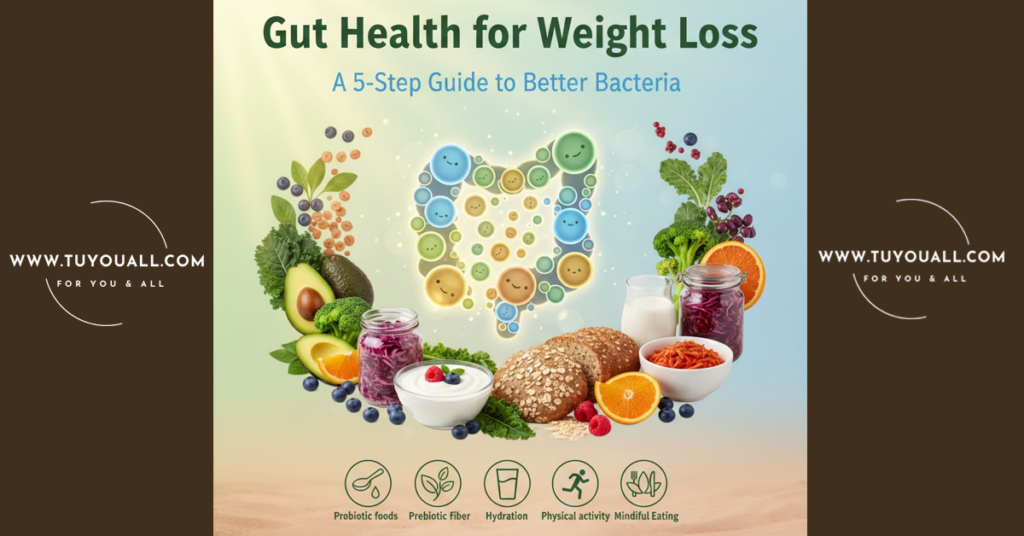
This blog post is based on insights from Dr. Palani Pramanikam’s YouTube video: “How to Get Good Bacteria in Your Small Intestine |
Want to know the secret to better immunity, easier weight management, and even a happier mood? It all starts in your gut. Dr. Palani Pramanikam, a medical expert who’s been studying this topic for years, calls gut bacteria “the cornerstone for everything.” And after hearing what he has to say, you’ll never look at your digestive system the same way again.
What Are Gut Bacteria and Why Should You Care?
Inside your small intestine lives a bustling city of trillions of tiny microbes—bacteria that help digest your food, protect you from germs, and even talk to your brain. Think of them as your personal team of microscopic bodyguards. When they’re happy and balanced, you feel great. When they’re not? Well, that’s when trouble starts.
The Good, The Bad, and The Surprising
Here’s the thing: not all bacteria are out to get you. Good bacteria (your “Baahubalis,” as Dr. Pal calls them) fight off invaders, help you absorb nutrients, and keep your immune system strong. Bad bacteria, on the other hand, can trigger inflammation, mess with your weight, and even affect your mental health.
For example, research now links gut imbalances to conditions like obesity, diabetes, autism, and even mental health struggles. As Dr. Pal puts it: “Gut bacteria can be like cutter pass—it can serve well to us like baahubalis, but at the same time, it can kill as well if you don’t take care of it.” —Dr. Pal
Real Story: When Gut Bacteria Changed Everything
Dr. Pal shares a mind-blowing case study that proves just how powerful these microbes are. He performed a stool transplant on a lean patient weighing just 50 kilograms, using stool from a healthy but obese 150-kilogram donor. The goal was to treat the patient’s colon inflammation—and it worked. But here’s the wild part: within one year, that same lean patient doubled his weight to 100 kilograms, even though his diet never changed.
This wasn’t magic. It was the power of gut bacteria from the obese donor completely reshaping the recipient’s metabolism. This single case opened up massive research opportunities and showed scientists that your gut microbes might control way more than we ever imagined.
5 Science-Backed Steps to Build a Healthier Gut
Ready to turn your gut into a thriving ecosystem of good bacteria? Dr. Pal breaks it down into five practical, life-changing habits anyone can start today.
Step 1: Load Up on Fiber (Your Bacteria’s Favorite Food)
If there’s one thing your gut bacteria love more than anything, it’s fiber. Think of fiber as their favorite buffet—when they eat it, they produce compounds that reduce inflammation and strengthen your gut wall.
How much do you need? At least 25 grams of fiber per day. Here’s what that looks like:
- One apple = 4 grams of fiber
- One cup of cooked beans = 15 grams of fiber
- One serving of vegetables = 3-5 grams of fiber
For example, instead of just eating dosa and sambar for breakfast (as delicious as that is), toss in a banana or a handful of berries. Add a side of sautéed spinach to your lunch. Small swaps make a huge difference. As Dr. Pal notes, “You should include at least one fruit or one serving of vegetables in every meal.”
Quick tip: Most of us barely hit 10 grams a day. Track your intake for a week—you’ll probably be surprised!
Step 2: Embrace Fermented Foods Daily
Fermented foods are like ready-to-work good bacteria that march straight into your gut and get to business. These foods contain live cultures that boost your microbiome diversity.
Best options to try:
- Curd or yogurt (with live active cultures)
- Idli and dosa batter
- Kimchi or sauerkraut
- Kefir or buttermilk
For example, swapping your evening snack for a cup of fresh curd with a drizzle of honey gives you billions of beneficial microbes in one delicious serving. Aim for at least one serving of fermented food per day.
Dr. Pal’s friend Saravana Kumar insists that no invention beats our traditional South Indian fermented foods—and Dr. Pal agrees: “Nobody can beat our palaya soru. I will completely agree with him because he has tried everything—west, east, north, south, including pizza!” —Dr. Pal
Step 3: Ditch the Processed Foods
Processed foods are the enemy of good bacteria. During processing, manufacturers add sugar, salt, preservatives, and trans fats to extend shelf life—but these same additives destroy your gut’s delicate balance.
How to spot processed foods (95% accuracy):
- If it’s white, it might not be right – White bread, white rice, white sugar have been stripped of fiber and nutrients.
- If it comes in a box or is ready-to-eat – Boxed cereals, packaged juices, frozen dinners, ketchup—these are usually loaded with gut-harming chemicals.
- If the ingredient list says “artificial” – Just put it back.
For example, a fresh bowl of cooked beans lasts one day in your fridge. But add preservatives, and that same bowl can sit on a shelf for a year. Your gut bacteria can tell the difference, and they don’t like the fake stuff.
Dr. Pal’s advice? “Before you eat anything, look at the ingredients. If any of the ingredients contains this word ‘artificial,’ please do not take it.”
Step 4: Go Plant-Based Most of the Week
Vegetarian diets are fiber powerhouses that feed your good bacteria and help them thrive. Meat-based meals, while tasty, lack the fiber diversity your gut craves.
Here’s a realistic approach: There are 21 meals in a week (3 per day). If you can make 20 of those meals vegetarian, your microbiome will thank you. You don’t have to give up chicken biryani forever—just treat it as a weekly special rather than a daily habit.
For example, at your next buffet, load up your plate with vegetable curries, lentil dishes, and salads first. Think of meat as a side dish, not the main event.
Dr. Pal admits he loves non-vegetarian food too, but limits himself to just one non-veg meal per week. “Your bacteria will love you,” he promises.
Step 5: Use Antibiotics Only When Absolutely Necessary
Antibiotics are like nuclear bombs for your gut—they wipe out bad bacteria, but they also destroy the good ones. And in India, we pop them like candy.
The scary reality: Dr. Pal shares how pharmacy stores sometimes push antibiotics for simple fevers. “If you take this paracetamol, your fever will continue for three days. If you take this amoxicillin antibiotic, your fever will be gone in one day!” —Dr. Pal
Here’s what to do instead:
- Ask your doctor: “Is this antibiotic really necessary?”
- For viral fevers (like most colds and flu), antibiotics won’t help anyway.
- If you must take them, double down on fermented foods and fiber afterward to rebuild your gut army.
Bonus Tips: The Secret Weapons for Gut Health
Two more lifestyle tweaks can supercharge your microbiome:
Manage Your Stress (Your Gut Feels It Too)
Stress doesn’t just mess with your head—it physically destroys good bacteria in your gut. When you’re constantly stressed or panicking, your microbial diversity takes a hit.
For example, try 10 minutes of deep breathing, a short walk, or even listening to music you love. Your gut can sense when you’re calm, and the bacteria respond positively.
The Hygiene Hypothesis: Why a Little Dirt is Good
Remember playing cricket in the mud as a kid? That exposure to dirt and nature diversified your gut flora in ways that ultra-sanitized childhoods don’t. Today, we sanitize everything—sometimes emptying whole bottles of hand sanitizer over a tiny speck of dirt.
For example, let your kids play outside. Get a pet. Garden without gloves once in a while. A little exposure to everyday microbes builds a stronger, more resilient gut ecosystem.
How to Know If Your Gut Needs Help
Wondering what’s living inside your gut right now? Testing kits like Ombre (the sponsor of Dr. Pal’s video) can analyze your stool sample and give you a detailed report of your bacterial balance. If your bad bacteria outweigh the good, following these five steps can literally be life-changing.
Dr. Pal has used these tests with patients to identify imbalances—and the results helped them understand why gut health matters so much.
FAQ: Your Gut Health Questions Answered
Q1: How long does it take to improve gut bacteria?
A: With consistent dietary changes, you can start seeing shifts in your microbiome within 2-4 weeks. However, building a truly resilient gut ecosystem takes 3-6 months of healthy habits.
Q2: Can I just take probiotic supplements instead of changing my diet?
A: Supplements can help, but they’re not a replacement for fiber-rich foods. Think of them as reinforcements, not the main army. Your diet is the foundation.
Q3: Are fermented foods safe for everyone?
A: Most people thrive on fermented foods, but if you have a compromised immune system or specific conditions, check with your doctor first. Start with small servings.
Q4: Does being born via C-section really affect lifelong gut health?
A: Research shows C-section babies may have less diverse gut bacteria at birth, but diet and lifestyle throughout life have a much bigger impact. It’s not destiny—it’s a starting point.
Q5: What’s the easiest first step to improve gut health?
A: Add one fruit or vegetable to every single meal. It’s simple, cheap, and gives your good bacteria instant fuel to grow.
Conclusion: Your Gut, Your Health, Your Choice
Your gut bacteria aren’t just passive passengers—they’re active players in your weight, immunity, and mental well-being. By feeding them fiber, embracing fermented foods, ditching processed items, eating more plants, and avoiding unnecessary antibiotics, you can transform your internal ecosystem from harmful to healing.
Which of these five steps will you try first? Let us know in the comments—your experience might inspire someone else to take control of their gut health too!
Credit & Acknowledgments
This blog post is based on insights from Dr. Palani Pramanikam’s YouTube video: “How to Get Good Bacteria in Your Small Intestine | Dr. Pal”. The video is sponsored by Ombre, a gut health testing company that helps you understand your unique microbiome.
Special Note: Dr. Pal also supports the Aishwaryam Trust in Madurai, which provides free 24/7 nursing care for hospice and neurological patients who have exhausted their financial options. If this article helped you, consider donating to their cause—even a small amount makes a big difference.