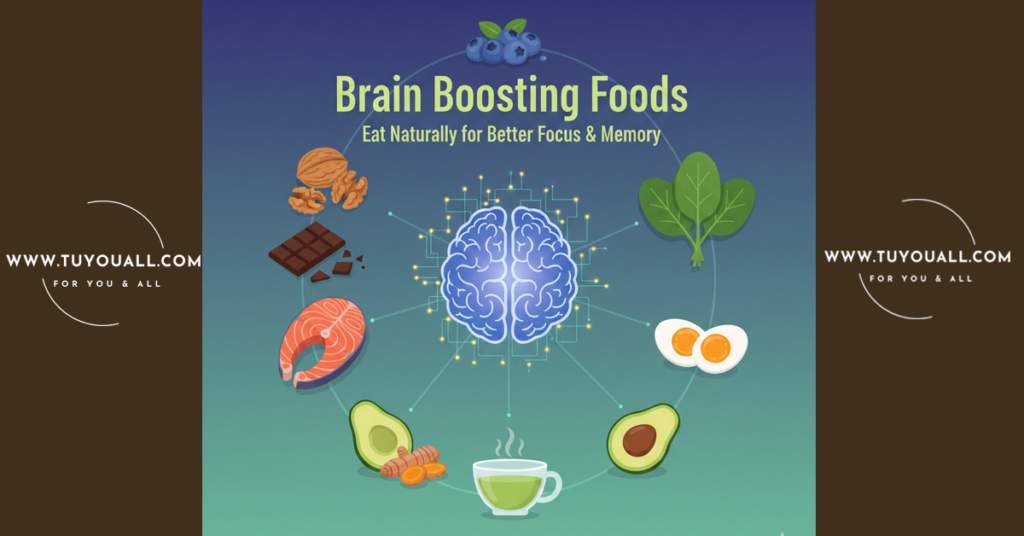
This blog post is based on insights from Dr. Pal (Dr. Pal Manikam)‘s YouTube video: “Brain Boosting Foods for Students and Adults: How to Improve Focus and Memory.”
Are you a student pulling all-nighters for exams? A parent watching your child struggle to concentrate on homework? Or maybe you’re just tired of walking into a room and forgetting why you’re there?
Here’s the truth: Your brain is one of the most energy-demanding organs in your body, and what you eat directly determines how it functions. Just like a high-performance car needs quality fuel to run smoothly, your brain needs the right nutrients to boost memory, improve focus, and prevent that frustrating mental sluggishness.
As Dr. Pal humorously notes, “Thank god we are not charged for brain consuming energy, else our dad would ask us to switch it off. Even if we think, he would say that’s a luxury—turn it off!”
But since we can’t switch off our brains (and wouldn’t want to!), let’s explore how to fuel them properly. This guide will walk you through practical, science-backed strategies to optimize your brain health diet—from the best brain boosting foods to the lifestyle habits that make them work even better.
The Foundation: Sleep and Exercise Come First
Before we dive into nutrition, we need to talk about two non-negotiable pillars of cognitive performance. As Dr. Pal emphasizes, “No matter how well you eat, if you’re not getting quality sleep, your brain will not function properly.”
Why Sleep is Non-Negotiable for Your Brain
Think of sleep as your brain’s maintenance window. While you’re resting, your brain is busy consolidating memories, clearing out toxins, and preparing for the next day. Studies consistently show that poor sleep leads to:
- Memory problems and forgetfulness
- Reduced focus and attention span
- Slower problem-solving skills
For example, Dr. Pal shares the story of his friend Sarakumar, who “wrote tiny cheat sheets all night for the exam. Thanks to sleep deprivation, he walked in with the wrong cheat sheet to the wrong exam hall. Studied for the crime, failed the heist.”
Whether you’re a student or a working professional, staying up late before a big day is genuinely a bad idea. Parents, ensuring your children have a consistent sleep schedule is just as important as their study time. For adults, quality sleep helps prevent long-term cognitive decline.
How Exercise Fuels Your Mental Engine
Your brain needs oxygen and nutrients to function, and good blood circulation is the delivery system. Cardiovascular exercise—like jogging, skipping, or even brisk walking—improves blood flow to the brain, enhancing focus, memory, and overall function.
As Dr. Pal jokes, “The last benches have no problem in exercising because they sprint to exam hall as they’re always late!”
But seriously: A healthy heart pumps blood more efficiently, leading to better concentration and exam performance. Regular exercise also helps prevent memory loss as we age, making it a lifelong investment in your cognitive health.
Brain Boosting Foods That Actually Work
Now for the main event! Here are the specific nutrients and foods for exam preparation and daily mental clarity that you should prioritize.
Omega-3 Fatty Acids: The Brain’s Building Blocks
Here’s a surprising fact: Your brain is nearly 60% fat. Neurons (your brain cells) are covered by a fatty layer that helps them communicate efficiently. The most beneficial fats for this process are omega-3 fatty acids, specifically EPA and DHA.
Dr. Pal explains: “Just like a high-performance car needs quality fuel, your brain needs the right foods… Feeding junk foods shifts your focus into reverse gear, applies the brakes on productivity, and bypasses memory.”
Benefits of Omega-3s:
- Reduce stress and anxiety
- Improve focus and attention
- Sharpen memory retention
- Support long-term brain health and reduce risk of memory loss
Daily Target: Aim for at least 1.5 to 2 grams of EPA and DHA per day for optimal brain function.
Best Sources of Omega-3s:
| Food Source | Type | Notes |
| Salmon | Fish | One of the richest sources of DHA/EPA |
| Anchovies | Fish | Small fish, lower mercury risk |
| Walnuts | Plant-based | Great for vegetarians, also contains antioxidants |
| Algae supplements | Supplement | Perfect vegan alternative to fish oil |
For example, parents can add omega-3 rich foods into family meals to help children develop sharper cognitive skills, while adults benefit from the long-term protection against memory loss.
Dr. Pal shares a funny cautionary tale: “I told my patient Arai that fish oil is good for brain health. But he is deep frying the fish by making it swim in the oil!” Remember, preparation matters—baked or grilled fish preserves the benefits better than deep-frying.
Complex Carbohydrates: Steady Energy for Long Study Sessions
Unlike refined sugars (which cause rapid energy spikes followed by crashes), complex carbohydrates provide a steady release of glucose. This keeps your brain energized throughout the day without the roller-coaster effect.
Top Sources:
- Whole grains and oats
- Quinoa
- Sweet potatoes
- Legumes (beans, lentils, chickpeas)
These foods help sustain focus and mental clarity during long study sessions or work meetings. Think of them as slow-burning logs on a fire, rather than newspaper that flares up and dies quickly.
High-Quality Proteins: The Communication Experts
Proteins contain amino acids—the building blocks of neurotransmitters. These are the chemicals that facilitate communication between your brain cells. Without adequate protein, your brain’s internal messaging system slows down.
Brain-Boosting Protein Sources:
- Eggs (contain choline, essential for memory)
- Lean meat (chicken, turkey)
- Tofu and paneer
- Lentils and legumes
For example, starting your day with eggs or adding lentils to lunch can significantly support memory, learning, and concentration throughout the afternoon.
Dr. Pal jokes about another patient: “I informed my patient to buy high-quality protein products to boost his memory and asked him to meet me next month. It has been months now; I didn’t see him at all. Either he is fine now, or he forgot the appointment!”
Antioxidants: Your Brain’s Bodyguards
Antioxidants protect your brain from oxidative stress and inflammation—two major culprits in cognitive decline and brain fog. They act like bodyguards, shielding your neurons from damage.
Powerful Antioxidant Foods:
- Berries (blueberries, strawberries, blackberries)
- Dark chocolate (70% cocoa or higher)
- Green leafy vegetables (spinach, broccoli, kale)
Regular consumption of these foods helps maintain cognitive function and reduces the risk of brain-related diseases as you age.
Hydration and Habits That Harm Your Brain
Why Water is Your Brain’s Best Friend
Dr. Pal cannot stress this enough: Hydration is as important as nutrition. Even mild dehydration can impair cognitive performance, causing:
- Fatigue and low energy
- Brain fog
- Difficulty concentrating
Drinking enough water throughout the day keeps your brain hydrated and active. Coconut water is an excellent choice because it maintains hydration while providing additional electrolytes and nutrients.
For example, Dr. Pal describes his loyal subscriber Subramany, who “sucks every drop of the coconut water with the straw until he hears a slurp sound in all corners of the coconut!” While you don’t need to be that thorough, the point is clear—don’t skip the fluids.
The Enemies of Focus: What to Avoid
Just as important as eating the right foods is avoiding the wrong ones.
Limit These Brain Drains:
- Excessive Caffeine: While caffeine offers a temporary boost in alertness, too much leads to energy crashes and increased stress. Instead of relying on energy drinks or multiple cups of coffee, stick to moderate amounts (1-2 cups of coffee or tea daily).
- Ultra-Processed Foods: Foods high in trans fats and refined sugars significantly increase inflammation in the brain. Eating these leads to sluggishness and poor focus—the exact opposite of what you need during exam season.
- Refined Sugars: These cause rapid spikes and crashes in energy levels, leaving you more tired than before.
For example, Dr. Pal mentions his friend Sanukamar, who “not only adds sugar in his diet but also in the staff’s petrol tank. Even here he prefers a sweet revenge!” While funny, the message is serious: sugar crashes affect your engine—whether it’s a car or your brain.
Instead of chips or candy, snack on nuts for lasting energy and nourishment. Almonds, walnuts, and cashews provide healthy fats and protein that sustain mental clarity.
Frequently Asked Questions
Q: How quickly can I see results after changing my diet for brain health? A: While some effects like improved hydration can be felt within hours, consistent dietary changes typically show noticeable improvements in focus and memory within 2-4 weeks of regular practice.
Q: Can I just take supplements instead of eating these brain boosting foods? A: Supplements can help (especially for omega-3s if you don’t eat fish), but whole foods provide a complex mix of nutrients, fiber, and antioxidants that work synergistically. Think of supplements as insurance, not replacement.
Q: Are these foods safe for children preparing for exams? A: Absolutely! These are whole, natural foods that support healthy development. In fact, children often benefit the most from omega-3 fatty acids and complex carbohydrates during their peak learning years.
Q: How much water should I drink daily for optimal brain function? A: While individual needs vary, a good rule of thumb is 8-10 glasses (2-2.5 liters) per day. If you’re studying intensely or exercising, you may need more. Pay attention to thirst and urine color (pale yellow is ideal).
Q: Is it okay to have coffee while studying if I eat brain healthy foods? A: Yes, moderation is key. One cup of coffee can enhance alertness, but avoid relying on it exclusively or drinking it after 2 PM to protect your sleep schedule.
Conclusion: Fuel Your Mental Engine Right
Whether you are a student preparing for exams, a parent helping your child succeed, or an adult looking to maintain cognitive health, the right nutrition makes a huge difference. As Dr. Pal wisely puts it: “An athlete wouldn’t eat junk food before a major competition. So why would you fuel your brain with the wrong foods before an important exam or a meeting?”
By prioritizing omega-3 fatty acids, complex carbohydrates, quality proteins, and antioxidants—while staying hydrated and avoiding processed junk—you’re giving your brain the premium fuel it deserves. Combine these brain boosting foods with quality sleep and regular exercise, and you’ll be amazed at how much sharper, focused, and energized you feel.
What’s one brain boosting food you’re already eating, or which one will you try first? Let me know in the comments below, and share this guide with anyone who could use a mental edge!
Credit Section
This blog post is based on insights from Dr. Pal (Dr. Pal Manikam)‘s YouTube video: “Brain Boosting Foods for Students and Adults: How to Improve Focus and Memory.”
All quotes attributed to Dr. Pal are taken directly from the video transcript, including his humorous anecdotes about patients and friends (Sarakumar, Arai, Subramany, and Sanukamar). We thank Dr. Pal for making complex nutritional science accessible and entertaining for everyday audiences.