This blog post is based on insights from the YouTube video about senior nutrition and fruit selection.
Did you know that the fruit bowl sitting on your kitchen counter might secretly be working against your health?
Here’s a shocking truth most people don’t realize: not all fruits are created equal—especially after you turn 60. While we’ve been told since childhood that “an apple a day keeps the doctor away,” the reality is far more nuanced for seniors. Some fruits can spike your blood sugar without warning. Others might trigger painful digestive issues or silently damage your heart and joints over time.
The good news? Choosing the right fruits can be a game-changer. The right picks can strengthen your immune system, improve digestion, and help manage common age-related conditions like diabetes and heart disease. But the wrong ones? They can turn your healthy habit into a hidden health risk.
In this comprehensive guide, we’ll explore the 5 best fruits for seniors over 60 that deserve a permanent spot in your diet, and the 5 fruits you should limit or avoid to protect your health. These recommendations blend cutting-edge nutritional science with time-tested Ayurvedic wisdom—so you can keep yourself and your loved ones healthy, safe, and thriving.
How We Selected These Fruits: 4 Critical Criteria for Senior Health
Before diving into our list, let’s understand what makes a fruit “senior-friendly.” We evaluated every fruit through four essential lenses:
| Criteria | Why It Matters for Seniors |
| Glycemic Index & Sugar Content | Prevents dangerous blood sugar spikes, crucial for diabetes management |
| Nutrient Density | Delivers maximum vitamins, minerals, and antioxidants per bite |
| Digestion & Fiber | Ensures easy digestion and prevents constipation (a common senior issue) |
| Ayurvedic Dosha Balance | Aligns with traditional wisdom about how foods affect your body type |
Now, let’s meet your new best friends in the produce aisle.
The 5 Best Fruits for Seniors: Your Anti-Aging Allies
1. Amla (Indian Gooseberry): The Immunity King

If there’s one fruit that deserves superhero status for seniors, it’s amla.
“Just 100 grams of amla contains the vitamin C equivalent of 20 oranges,” explains the expert. That’s not a typo—twenty oranges worth of immune-boosting power in one small, humble fruit.
Why seniors need it:
- Immune Defense: High vitamin C strengthens your body’s infection-fighting ability
- Brain Health: Powerful antioxidants and flavonoids support memory and cognitive function
- Weight & Sugar Friendly: Extremely low in calories and negligible sugar content
- Anti-Aging Properties: Ayurveda considers amla a “rasayana” (rejuvenating tonic) that detoxifies the body and enhances disease-fighting capacity
How to enjoy it:
Amla is quite sour and astringent. If the taste is too intense, try sprinkling black salt or mixing it with honey. You can also blend 1-2 deseeded amlas with water for a fresh juice—add a touch of honey or black salt to taste.
“Ayurveda considers amla an anti-aging tonic because it detoxifies the body and gives it the power to fight diseases.” —Creator
Pro tip:
Eat one amla daily during its season (winter months). Your immune system will thank you.
2. Jamun (Black Plum): Nature’s Insulin for Diabetics

For seniors managing diabetes, jamun isn’t just a fruit—it’s natural medicine.
This purple powerhouse contains a special compound called jambosine that literally slows down the conversion of starch into sugar. That’s why both modern science and Ayurveda hail it as a “rambaan” (ultimate remedy) for blood sugar control.
The senior-specific benefits:
- Blood Sugar Stability: Prevents dangerous glucose spikes
- Digestive Champion: Contains enzymes that break down food efficiently, relieving both constipation and diarrhea
- Heart Protector: Stabilizes blood pressure and may help reduce cholesterol
- Immunity Booster: Packed with immune-enhancing nutrients
Best way to consume:
Enjoy fresh jamun during its summer season. Even 8-10 berries can make a significant difference in your daily health routine.
3. Pomegranate (Anar): The Heart-Brain Superfruit
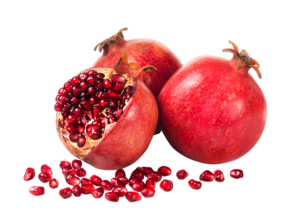
Think of pomegranate as comprehensive health insurance in fruit form. It’s one of the few foods that actively supports both your cardiovascular system and cognitive function simultaneously.
Why it earns “super fruit” status:
- Heart Health: Controls blood pressure, keeps arteries healthy, and stimulates new blood production
- Cholesterol Management: Improves HDL (good cholesterol) levels
- Joint Relief: Anti-inflammatory antioxidants reduce markers that cause arthritis pain
- Brain Protection: Supports memory and mental clarity
The research-backed reality:
Studies show mixed results on total cholesterol, but the improvement in good cholesterol (HDL) is consistently documented. For holistic health, eating pomegranate 3-4 times per week is a smart strategy for seniors.
“Pomegranate is an all-rounder fruit that supports everything from heart to brain.” —Creator
4. Papaya: The Digestive System’s Best Friend
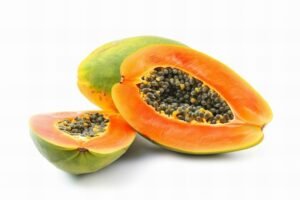
If digestive issues like gas, acidity, or constipation have become unwelcome companions in your golden years, papaya is about to become your new best friend.
Seniors who eat papaya regularly report dramatically fewer complaints of:
- Constipation
- Gas and bloating
- Indigestion
- Acidity
The secret weapon:
Papaya contains natural enzymes that keep your gut clean and functioning smoothly. It’s especially helpful for those suffering from piles, as it promotes soft stool formation and easier bowel movements.
Heart health bonus:
The fiber and antioxidant combination helps reduce LDL (bad cholesterol) and maintain normal blood pressure ranges, potentially lowering long-term risk of stroke and heart attack.
Diabetic caution:
While papaya isn’t extremely high in sugar, diabetics should limit portions to half a cup per sitting to avoid any blood sugar elevation.
5. Guava (Amrud): The Humble Powerhouse

Don’t let its street-side availability fool you—guava is a nutritional giant disguised as a common fruit.
The standout feature:
Guava has a remarkably low glycemic index of just 12-24, making it one of the safest fruits for diabetics. You can enjoy it without the blood sugar anxiety that comes with sweeter fruits.
Senior-specific advantages:
- Diabetes-Safe: Extremely low GI means stable blood sugar
- Constipation Cure: Daily consumption stimulates bowel movements naturally
- Nutrient Dense: Packed with vitamin C, fiber, and antioxidants
- Convenient: Easy to eat as a snack, no preparation required
The prescription:
One ripe guava daily as a snack. If it’s in season, make it a non-negotiable part of your routine.
The 5 Fruits Seniors Should Limit or Avoid
Now for the cautionary tale. These fruits aren’t “poison,” but they require careful handling after age 60. Think of them as “sometimes foods” rather than daily staples.
1. Mango: The “King” with a Hidden Crown of Thorns

Yes, mango is delicious. Yes, it’s called the “king of fruits.” But for seniors, it can be risky business.
The problems:
- High sugar content causes blood sugar spikes
- Can trigger acidity and digestive distress
- Eating too much leads to metabolic overload
If you must indulge (and we understand—it’s mango!):
- Never eat on an empty stomach
- Limit to 2-3 slices or maximum 100g pulp per sitting
- Avoid completely at night
- Combine with protein (almonds or unsweetened yogurt) to slow sugar absorption
“Mango can be used as a weekend treat for seniors, but avoid daily or large quantity consumption.” —Creator
2. Chikoo (Sapodilla): Natural Candy with a Sugar Trap

Chikoo tastes like nature’s candy—and that’s exactly the problem. It’s loaded with sugar.
Senior concerns:
- Dangerous for diabetes management
- Promotes weight gain
- Strictly occasional consumption only
Verdict:
Enjoy very rarely, and in tiny portions. This isn’t a fruit for regular rotation in a senior’s diet.
3. Lychee: The Addictive Danger

Lychee is what experts call a “sone pe suhaga” type fruit—a beautiful addition that can turn problematic. A few (4-5) occasionally won’t hurt and provide nutrition, but here’s the catch: lychee is incredibly addictive.
The portion control challenge:
- One lychee leads to another… and another
- Diabetics should never exceed 1-2 per sitting
- Best consumed mid-morning or mid-afternoon when stomach is slightly empty
The safe approach:
Count out 6-7 lychees on a plate and decide firmly: “This is my limit.” Don’t eat from a basket while chatting—you’ll consume 20-25 before you realize it.
4. Watermelon: Summer Favorite with a High GI Warning

Watermelon is refreshing, hydrating, and beloved—but its glycemic index is sky-high.
Senior risks:
- Rapid blood sugar elevation
- Bloating and digestive discomfort
- Portion control is difficult due to high water content (you eat more than you realize)
The rule:
Always limited quantities. If you have diabetes, avoid completely. The rapid sugar spike isn’t worth the temporary refreshment.
5. Jackfruit (Kathal): Heavy Digestion Burden

We typically cook jackfruit as a vegetable, but botanically it’s a fruit—and it’s heavy. Very heavy.
Why seniors should steer clear:
- Difficult to digest, causing gas and bloating
- Can trigger constipation
- Puts unnecessary burden on aging digestive systems
Recommendation:
Avoid as much as possible. There are plenty of delicious alternatives that won’t leave you feeling weighed down and uncomfortable.
Quick Reference: Your Senior Fruit Cheat Sheet
| Eat Freely | Eat Occasionally | Limit/Avoid |
| Amla | Mango (weekend treat only) | Chikoo |
| Jamun | Lychee (6-7 pieces max) | Watermelon |
| Pomegranate | Jackfruit | |
| Papaya (½ cup for diabetics) | ||
| Guava |
Frequently Asked Questions (FAQ)
Q1: Can diabetics over 60 eat any fruit freely?
A: No fruit is completely “free,” but guava and jamun are the safest options due to their extremely low glycemic index. Always monitor portion sizes and blood sugar response.
Q2: Is it true that fruits should be avoided after 60?
A: Absolutely not! Fruits are essential for senior health. The key is selection and moderation. The right fruits provide critical nutrients that support healthy aging.
Q3: What’s the best time for seniors to eat fruits?
A: Morning or mid-morning is ideal. Avoid fruits at night (especially mangoes) as digestion slows down and sugar spikes can disrupt sleep.
Q4: How do I know if a fruit is affecting my blood sugar?
A: Check your blood glucose 2 hours after eating a new fruit. If it rises significantly above your normal range, that fruit should be limited or avoided.
Q5: Can I drink fruit juice instead of eating whole fruits?
A: For seniors, whole fruits are generally better than juice. Juicing removes fiber (crucial for digestion and blood sugar control) and concentrates sugars. If you must have juice, make it fresh at home and don’t strain it completely—keep some pulp for fiber.
Conclusion: Your Fruit Strategy for Graceful Aging
Here’s the truth that can transform your health after 60: Fruits aren’t the enemy—uninformed choices are.
By prioritizing functional foods like amla, jamun, pomegranate, papaya, and guava, you’re making a daily investment in stronger immunity, better digestion, stable blood sugar, and a healthier heart. These aren’t just snacks; they’re tools for longevity.
At the same time, respecting the limitations of high-sugar or heavy-to-digest options like mango, chikoo, lychee, watermelon, and jackfruit shows wisdom, not deprivation. You’re not missing out—you’re choosing sustainability over short-term pleasure.
Remember: “Fruits should be enjoyed by seniors too, but taste and health must always remain in balance. Don’t eat blindly; eat thoughtfully.”
Which of these fruit swaps will you try first—replacing your evening mango with a bowl of pomegranate, or starting your morning with fresh amla instead of juice? Your body has decades of wisdom; now give it the fuel it truly deserves.
Credit & Source
This blog post is based on insights from the YouTube video about senior nutrition and fruit selection.
The recommendations combine modern nutritional science with Ayurvedic principles to provide holistic health guidance for adults over 60.
The original content has been translated, expanded, and repurposed for educational purposes.