Learn About Common Cold (Acute Coryza), Its Symptoms, Causes, Traditional Homeopathic Remedies, Safe Treatment Options and Possible Complications.
A common cold may seem like a minor illness, but sneezing, a blocked nose, a runny nose, sore throat and mild fever can make everyday life uncomfortable. Most people recover within 7–10 days with proper rest and supportive care.
This guide explains common cold (acute coryza), its symptoms, possible complications, commonly mentioned homeopathic remedies, and medically recommended treatment options.
Important medical note: Homeopathic remedies listed in the source image are traditional homeopathic recommendations. There is no reliable scientific evidence that homeopathy treats or shortens the common cold. These remedies should not replace proven medical care.
What Is a Common Cold (Acute Coryza)?
The common cold is a viral infection of the upper respiratory tract. It mainly affects the nose and throat.
The medical term acute coryza refers to an acute inflammation of the nasal passages, often associated with a runny nose and sneezing.
More than 200 types of viruses can cause common cold symptoms. Rhinoviruses are among the most common causes.
Unlike bacterial infections, a common cold usually improves without antibiotics.
How Does a Common Cold Spread?
A cold can spread from one person to another through:
- Respiratory droplets released during coughing and sneezing.
- Close contact with an infected person.
- Touching contaminated surfaces and then touching the eyes, nose or mouth.
- Sharing personal items in close-contact settings.
For Example:
If someone with a cold sneezes into their hands and then touches a door handle, another person may pick up the virus by touching that surface and then touching their nose.
Common Cold Symptoms: What Should You Look For?
Common cold symptoms usually develop gradually. They may become most noticeable during the first two or three days.
The symptoms can vary from person to person.
1. Sneezing
Frequent sneezing is one of the common early signs of a cold. It occurs when the nasal lining becomes irritated.
2. Running Nose
A runny nose occurs when the nasal passages produce extra mucus.
The discharge may initially be clear and watery. It may become thicker or change colour as the illness progresses.
A change in mucus colour alone does not mean that antibiotics are needed.
3. Nasal Blockage
Inflammation inside the nose can cause swelling and congestion.
Common symptoms include:
- Difficulty breathing through the nose.
- A feeling of heaviness around the nose.
- Reduced sense of smell.
- Difficulty sleeping because of nasal blockage.
4. Mild Fever
Some people experience a mild rise in body temperature.
However, fever is less common in adults than in children with an ordinary cold.
5. Body Ache
Mild muscle aches, tiredness and general discomfort may accompany a cold.
Severe body aches and sudden high fever may suggest influenza or another infection.
6. Sore Throat
A sore or scratchy throat may develop due to viral inflammation or mucus dripping down the back of the throat.
It may cause discomfort while swallowing.
Source: CDC, About Common Cold.
Most Probable Diagnosis: Viral Upper Respiratory Tract Infection
When a person experiences sneezing, a runny nose, nasal congestion, mild fever, body ache and sore throat, a viral upper respiratory tract infection (URI) is a common possibility.
However, these symptoms alone cannot confirm the diagnosis.
Other conditions can produce similar symptoms, including:
- Influenza (flu).
- COVID-19.
- Allergic rhinitis.
- Acute sinusitis.
- Other respiratory viral infections.
Common Cold vs Flu vs Allergic Rhinitis
| Feature | Common Cold | Influenza (Flu) | Allergic Rhinitis |
| Onset | Gradual | Often sudden | After allergen exposure |
| Sneezing | Common | Sometimes | Very common |
| Runny nose | Common | Sometimes | Common |
| Fever | Uncommon or mild | Often present | Not typical |
| Body ache | Mild | Often significant | Not typical |
| Itchy eyes | Less common | Uncommon | Common |
| Sore throat | Common | Sometimes | Sometimes |
For Example:
A person who develops sneezing and a watery nose after exposure to dust may have allergic rhinitis rather than a viral cold.
If symptoms begin suddenly with high fever, marked weakness and severe body aches, medical assessment for influenza may be appropriate.
Homeopathic Remedies for Common Cold: Traditional Symptom-Based Approach
Homeopathy is a complementary system of medicine based on the principle of treating similar symptoms with highly diluted substances.
The supplied chart lists seven homeopathic remedies for acute coryza. Each remedy is associated with a particular symptom pattern.
Summary of the Seven Remedies
| Homeopathic remedy | Traditional symptom association |
| Aconitum Napellus 30 | Sudden onset after cold, dry wind |
| Arsenicum Album 30 | Irritating watery nasal discharge |
| Allium Cepa 30 | Watery nasal discharge and sneezing |
| Euphrasia 30 | Irritating watery eyes |
| Natrum Mur 30 | Sneezing fits and watery discharge |
| Belladonna 30 | Sudden fever and flushed face |
| Gelsemium 30 | Gradual onset, chills and drowsiness |
Evidence-Based Treatment for Common Cold
There is currently no specific cure for an ordinary viral cold. However, appropriate supportive care can reduce discomfort and help you recover.
Most people improve within a week. Some symptoms, particularly a cough or blocked nose, may last 10–14 days.
1. Get Enough Rest
Rest is important when your body is fighting an infection.
- Avoid strenuous physical activity.
- Get adequate sleep.
- Take breaks during work.
- Allow yourself time to recover.
2. Drink Warm Fluids
Drink enough fluids throughout the day.
Useful choices include:
- Warm water.
- Clear vegetable soup.
- Warm lemon water.
- Ginger tea.
- Other non-irritating warm beverages.
Warm fluids may soothe an irritated throat and help you feel more comfortable.
3. Use Saline Nasal Spray
Saline nasal sprays or drops can help loosen mucus and relieve nasal congestion.
They are generally a useful option for people experiencing a blocked or dry nose.
If you use a nasal irrigation device, use sterile, distilled or previously boiled and cooled water. Do not use untreated tap water.
4. Try Warm Showers or Humidified Air
A warm shower or a clean humidifier may provide temporary relief from nasal discomfort.
Avoid inhaling steam directly from a pot of boiling water. It can cause serious burns, particularly in children.
5. Manage Fever and Body Ache
Paracetamol may help relieve fever, headache and body aches.
However:
- Follow the recommended dose on the product label.
- Avoid taking multiple cold medicines containing paracetamol.
- Ask a doctor or pharmacist if you have liver disease or other medical concerns.
- Children need age- and weight-appropriate advice.
6. Avoid Unnecessary Antibiotics
Antibiotics treat bacterial infections, not viral infections such as the common cold.
Taking antibiotics unnecessarily may cause side effects and contribute to antibiotic resistance.
A doctor may prescribe antibiotics only when there is evidence of a bacterial infection.
Home Care and Prevention: Practical Advice
Simple daily habits can help reduce the risk of catching or spreading a cold.
Important Preventive Measures
- Wash your hands regularly with soap and water.
- Cover your mouth and nose when coughing or sneezing.
- Dispose of used tissues properly.
- Avoid touching your face with unwashed hands.
- Avoid close contact with people who are unwell.
- Keep frequently touched surfaces clean.
- Improve indoor ventilation where possible.
- Avoid smoking and exposure to cigarette smoke.
For Example: What Should You Do When Someone at Home Has a Cold?
Suppose one family member develops sneezing, a runny nose and a sore throat.
Other family members can reduce their risk by:
- Maintaining good hand hygiene.
- Avoiding the sharing of towels and personal items.
- Keeping rooms well ventilated.
- Cleaning frequently touched surfaces.
- Wearing a well-fitting mask when close contact is necessary.
These measures can help reduce the spread of respiratory infections.
Possible Complications of Common Cold
Most common colds resolve without serious problems. However, some people may develop additional infections.
The original chart identifies three possible complications.
1. Sinusitis
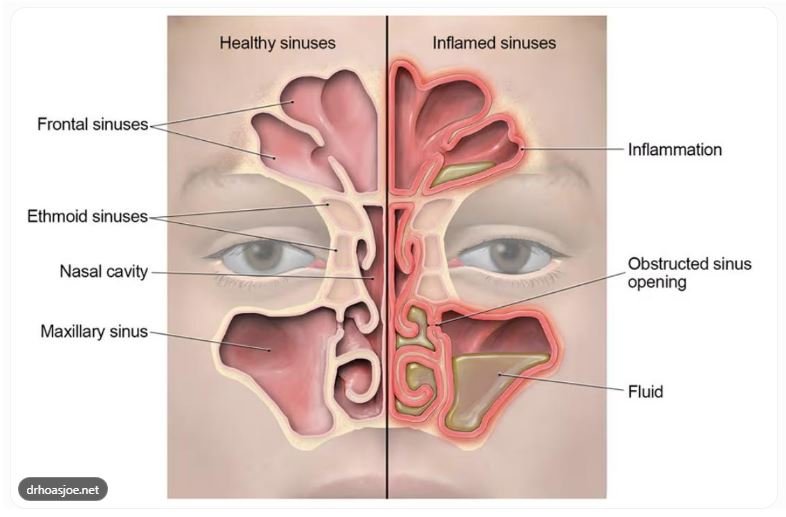
Sinusitis occurs when the tissues lining the sinuses become inflamed.
Possible symptoms include:
- Facial pressure or pain.
- Nasal congestion.
- Thick nasal discharge.
- Reduced sense of smell.
A bacterial sinus infection may sometimes develop following a viral infection.
2. Otitis (Ear Infection)
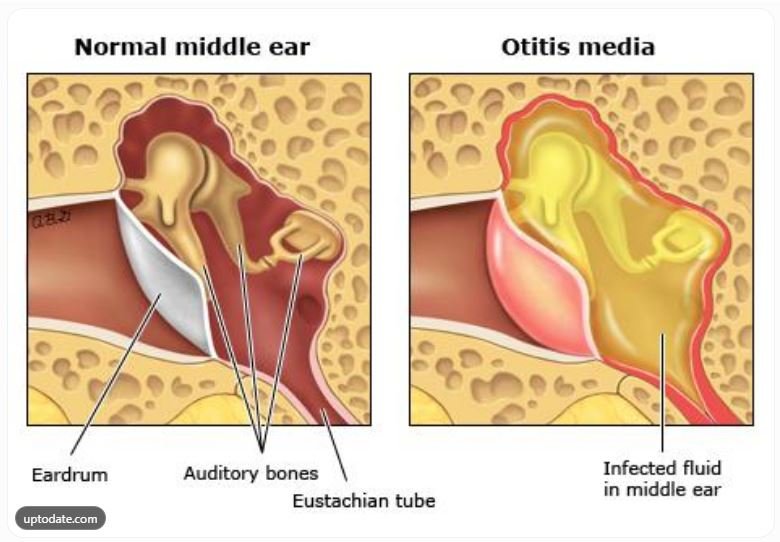
An ear infection can develop when inflammation affects the middle ear.
Possible symptoms include:
- A feeling of pressure inside the ear.
- Reduced hearing.
- Ear discharge in some cases.
Children are particularly prone to middle ear infections.
3. Lower Respiratory Tract Infection
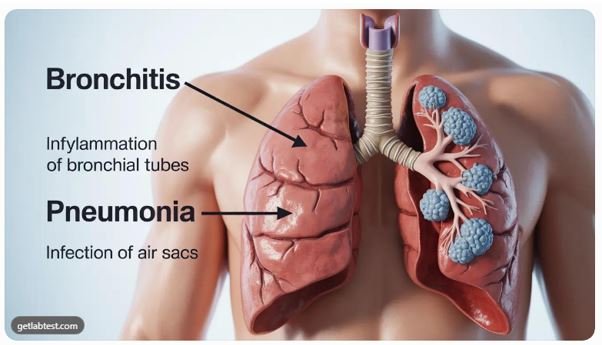
In some cases, a respiratory viral infection can be followed by an infection involving the lower respiratory tract.
Possible conditions include:
- Acute bronchitis.
- Other lower respiratory infections.
Warning symptoms include persistent fever, worsening cough, chest discomfort and breathing difficulties.
Seek urgent medical attention for difficulty breathing, rapid breathing, chest pain, confusion or severe weakness.
When Should You Consult a Doctor?
Although most colds improve without medical treatment, certain symptoms require medical assessment.
| Warning sign | Recommended action |
| Difficulty breathing | Seek urgent medical attention |
| Chest pain | Seek urgent medical assessment |
| Fever lasting more than 3–4 days | Consult a doctor |
| Symptoms lasting more than 10 days without improvement | Medical assessment |
| Symptoms improve but then become worse | Consult a doctor |
| Signs of dehydration | Seek medical advice |
| Worsening of an existing chronic illness | Contact your doctor |
People with diabetes, heart disease, chronic lung disease or weakened immunity should seek medical advice earlier.
If symptoms suggest influenza or COVID-19, testing may be appropriate. People at higher risk may benefit from early antiviral treatment.
CDC+1
Common Cold in Children and Older Adults
Extra care is important when a cold affects young children or older adults.
Children
Children may experience:
- Frequent sneezing.
- Runny or blocked nose.
- Mild fever.
- Reduced appetite.
- Difficulty sleeping.
Do not give children adult cold medicines. Consult a paediatrician about suitable treatment.
Older Adults
Older adults may have a higher risk of complications, especially when they have existing medical conditions.
They should monitor fever, hydration, breathing and general health carefully.
Common Myths About Common Cold
Several misconceptions about the common cold can lead to unnecessary medicines or delayed treatment.
| Myth | Medical fact |
| Antibiotics cure every cold | Antibiotics do not treat viral infections |
| Green mucus always means bacterial infection | Mucus colour alone cannot establish a bacterial infection |
| A cold always causes fever | Many adults have no fever |
| Homeopathic remedies are proven cures | Reliable evidence does not establish their effectiveness |
| Steam from boiling water is always safe | It can cause serious burns |
| Every cold requires a doctor visit | Most uncomplicated colds improve with supportive care |
Frequently Asked Questions (FAQs)
1. What is acute coryza?
Acute coryza refers to sudden inflammation of the nasal passages, commonly associated with sneezing, watery nasal discharge and nasal congestion. It often occurs as part of a common cold.
2. Which homeopathic medicine is traditionally used for a common cold?
The supplied homeopathic chart lists Aconitum Napellus 30, Arsenicum Album 30, Allium Cepa 30, Euphrasia 30, Natrum Mur 30, Belladonna 30 and Gelsemium 30. These are traditional symptom-based associations, not scientifically proven treatments.
3. How long does a common cold usually last?
Most people recover within about 7–10 days. Some symptoms, particularly cough and nasal congestion, may last longer. Consult a doctor if symptoms persist beyond 10 days without improvement.
4. Are antibiotics necessary for a common cold?
No. Most common colds are caused by viruses. Antibiotics do not work against viruses and are not routinely recommended for uncomplicated colds.
5. When should I worry about a common cold?
Seek medical advice if you experience persistent fever, worsening symptoms, dehydration or symptoms lasting more than 10 days without improvement. Difficulty breathing or chest pain requires urgent medical assessment.
Remember:
The priority should always be safe, evidence-based treatment and timely medical attention when necessary.
References & Further Learning:
For additional clinical insights, materia medica explanations, and practical perspectives on homeopathic management, the information in this article/page has been cross-referenced with educational resources shared by qualified homeopathic practitioners and researchers in their YouTube Channel (Links given Below). Readers seeking deeper guidance on remedy selection, potencies, and holistic care may explore video lectures and case discussions by established homeopathic doctors as listed below with their YouTube Channel Link :
| SL No. | Channel / Doctor Name | Primary Focus & Clinical Background | YouTube Link |
| 1 | Dr. Kirti Vikram Singh | Covers disease-specific remedies, mother tinctures, German combinations, and daily live Q&A sessions. | https://www.youtube.com/drkirtivikramsingh |
| 2 | Dr. Pranjali Srivastava | Registered BHMS physician and certified nutritionist focusing on holistic disease management and lifestyle care. | https://www.youtube.com/@drpranjalihomeopathy
|
| 3 | Dr. Swapnil Sagar Jain | BHMS consultant at Niramay Homeopathy offering remedy guides for acute and chronic conditions. | https://www.youtube.com/@DrSwapnilSagarJain-NIRAMAY |
| 4 | Dr. Umang Khanna | Focuses on natural homeopathic treatments, chronic illness management, and educational health guides in Hindi. | https://www.youtube.com/@drumangkhanna |
| 5 | Shree Radhey Homeopathy | Hosted by Dr. Chakshu; features remedy explanations, patient case stories, and live consultation Q&As. | https://www.youtube.com/@ShreeRadhey |
| 6 | Dr. P.S. Tiwari | Senior D.M.S. homeopath with 36+ years of experience explaining classical Materia Medica and therapeutics. | https://www.youtube.com/@DrPSTiwari |
| 7 | Dr. Varun Kanwadia | BHMS, DNHE consultant sharing practical homeopathic solutions for skin, hair, respiratory, and digestive issues. | https://www.youtube.com/@varunkanwadia |
| 8 | Dr. Arpana Samanta | Gold Medalist BHMS (Delhi) & PGD (London) with 20+ years of experience covering chronic diseases like thyroid, PCOS, and skin disorders. | https://www.youtube.com/@dr.arpanasamanta |
| 9 | Dr. Rukmani Choudhary | Focuses on root-cause homeopathic treatments, comparative remedy selection, and live Q&A sessions. | https://www.youtube.com/@Dr.Rukmani-HomeopathyClinic |
| 10 | Dr. Santosh Kumar Padhy | Provides accessible homeopathic remedy suggestions and general health guidance for everyday ailments. | https://www.youtube.com/@dr.santoshkumarpadhy8888 |
Medical Disclaimer:
This article is for educational and informational purposes only. It is not a substitute for professional medical advice, diagnosis, or treatment. Always seek the guidance of a qualified healthcare provider and a licensed homeopathic practitioner before starting any treatment for pneumonia or any other medical condition.