Learn About Influenza (Flu), Its Symptoms, Causes, Traditional Homeopathic Remedies, Antiviral Treatment, Prevention And Possible Complications.
Have you ever experienced a sudden high fever, severe body pain, chills, headache and extreme weakness? These symptoms may indicate influenza (flu), a contagious viral infection that affects the respiratory system.
Unlike the common cold, influenza often begins suddenly and can make a person feel very unwell. Although most people recover within a few days to two weeks, some cases can lead to serious complications, including pneumonia and heart-related problems.
This comprehensive guide explains influenza, its causes, symptoms, diagnosis, traditional homeopathic remedies, evidence-based treatment, prevention and possible complications.
Important medical disclaimer: The homeopathic medicines listed in the supplied chart are traditional recommendations. Reliable scientific evidence has not established that homeopathy prevents or treats influenza. It must never replace influenza vaccination, prescribed antiviral medicines or appropriate medical care.
What Is Influenza (Flu)?
Influenza, commonly called the flu, is an infectious respiratory illness caused by influenza viruses.
It mainly affects the nose, throat and lungs. The infection can spread easily from one person to another, particularly in crowded places and during seasonal outbreaks.
Influenza viruses belong to the Orthomyxoviridae family. Four main types are recognised:
- Influenza A: Causes seasonal epidemics and can cause pandemics.
- Influenza B: Causes seasonal outbreaks in humans.
- Influenza C: Usually causes milder respiratory illness.
- Influenza D: Mainly affects cattle and is not known to cause illness in humans.
Influenza A and B are responsible for most seasonal human flu infections.
How Does Influenza Spread?
Influenza spreads mainly through respiratory particles released when an infected person:
- Coughs
- Sneezes
- TalkBreathes
People may also become infected after touching contaminated surfaces and then touching their mouth, nose or eyes.
For Example:
A person with influenza may cough in a crowded office. People nearby may inhale infectious respiratory particles and become infected.
The incubation period is usually around 1–4 days, with an average of approximately two days.
Common Symptoms of Influenza (Flu)
Influenza symptoms usually appear suddenly. A person may feel healthy in the morning but develop fever, chills and severe body pain within a few hours.
The severity of symptoms can vary depending on age, immunity and existing health conditions.
1. High-Grade Fever with Chills
A high fever is one of the common symptoms of influenza.
It may be accompanied by:
- Shivering and chills.
- Sweating
- Feeling unusually hot or cold.
- General discomfort.
Fever may last several days.
2. Severe Body Ache
Influenza can cause significant muscle and joint pain.
People may experience:
- Pain in the back and legs.
- Muscle soreness.
- Joint discomfort.
- Difficulty performing normal activities.
Severe body aches are more common with influenza than with an ordinary cold.
3. Headache
A headache may develop along with fever and body pain.
Some people experience pressure around the forehead, temples or behind the eyes.
4. Dry Cough
A dry cough is a common symptom of influenza.
It may become persistent and irritating. In some people, the cough continues even after the fever improves.
5. Extreme Weakness and Fatigue
Extreme tiredness is another important feature of influenza.
A person may experience:
- Low energy.
- Excessive sleepiness.
- Difficulty concentrating.
- Reduced appetite.
- General weakness.
Fatigue may continue for one or two weeks, even after other symptoms improve.
Other Possible Symptoms
Some people also experience:
- Sore throat.
- Runny or blocked nose.
- Loss of appetite.
- Nausea and vomiting.
- Diarrhoea, especially in children.
Not everyone develops all these symptoms.
Most Probable Diagnosis: Influenza or Viral Flu
When a person suddenly develops high fever, chills, severe body ache, headache, dry cough and extreme weakness, influenza should be considered.
However, similar symptoms may occur with other infections.
These include:
- COVID-19.
- Dengue fever.
- Other respiratory viral infections.
- Malaria
- Certain bacterial infections.
Therefore, a healthcare professional should assess the patient when symptoms are severe or the diagnosis is uncertain.
How Is Influenza Diagnosed?
Doctors generally consider the following:
- History of symptoms and their onset.
- Physical examination.
- Recent exposure to people with flu.
- Local influenza activity.
- Laboratory testing when needed.
Available tests include:
| Test | Purpose |
| Rapid influenza antigen test | Detects influenza viral antigens |
| Rapid molecular test | Detects influenza genetic material |
| RT-PCR | Highly sensitive molecular detection |
| CBC | May help assess general blood changes or other possible conditions |
A CBC (Complete Blood Count) does not confirm influenza by itself.
For Example:
A patient develops sudden fever, chills and severe muscle pain during a local flu outbreak. The doctor may suspect influenza and recommend a molecular test when the result could influence treatment.
The WHO recognises RT-PCR and other molecular methods as important tools for laboratory confirmation.
Homeopathic Remedies for Influenza (Flu): Traditional Symptom-Based Approach
The supplied chart lists seven homeopathic remedies for influenza.
These remedies are traditionally associated with different symptom patterns, such as severe body pain, chills, weakness, restlessness and dry cough.
Before discussing them, it is important to understand the scientific evidence.
Summary of Seven Homeopathic Remedies
| Remedy | Traditional symptom association |
| Oscillococcinum 200 | Early flu-like symptoms |
| Eupatorium Perfoliatum 200 | Severe body and bone pain |
| Gelsemium 200 | Drowsiness, chills and weakness |
| Influenzinum 200 | Marketed for flu prevention and treatment |
| Bryonia 30 | Dry cough, thirst and pain on movement |
| Rhus Tox 30 | Restlessness and stiffness |
| Arsenicum Album 30 | Restlessness and exhaustion |
Understanding the Dosage Instructions in the Original Chart
The supplied chart mentions:
- Oscillococcinum 200: One dose for three days.
- Eupatorium Perfoliatum 200: Four pills, QID.
- Gelsemium 200: Four pills, QID.
- Influenzinum 200: Four pills weekly.
- Bryonia 30: Four pills, TDS.
- Rhus Tox 30: Four pills, TDS.
- Arsenicum Album 30: Four pills, QID.
Here, QID means four times daily, TDS means three times daily, and weekly means once a week.
These are reproduced from the source chart for educational reference only. They are not validated treatment doses and should not be followed as a substitute for medical treatment.
In particular, a weekly dose of Influenzinum should not be considered equivalent to influenza vaccination.
Evidence-Based Treatment for Influenza (Flu)
Unlike an ordinary cold, influenza can sometimes lead to serious complications. Therefore, early recognition and appropriate treatment are important.
Treatment depends on the severity of illness, age and medical risk factors.
1. Antiviral Medicines
Antiviral medicines work against influenza viruses. They are different from antibiotics.
Common prescription antiviral medicines include:
| Medicine | General information |
| Oseltamivir | Oral antiviral commonly used for influenza |
| Zanamivir | Inhaled antiviral |
| Peramivir | Intravenous antiviral |
| Baloxavir | Oral antiviral, generally given as a single dose for eligible patients |
These medicines require medical assessment and a prescription.
Why is early treatment important?
Antiviral medicines generally work best when started within 48 hours after symptoms begin. They may shorten illness and reduce the risk of some complications.
However, people with severe illness, hospitalisation or high-risk medical conditions may benefit even when treatment begins after 48 hours.
The CDC’s updated 2026 guidance recommends prompt antiviral treatment for people at increased risk of serious influenza complications.
Who Should Seek Early Antiviral Treatment?
Medical assessment is particularly important for:
- Pregnant women.
- Children under five years.
- Adults aged 65 years and above.
- People with diabetes.
- People with heart disease.
- People with asthma or chronic lung disease.
- People with weakened immunity.
- People with chronic kidney or liver disease.
For Example:
A 57-year-old person with diabetes develops sudden fever, chills, severe body pain and dry cough. Even if symptoms began only yesterday, they should contact a doctor promptly to assess whether antiviral treatment is appropriate.
2. Fever and Body Pain Management
Paracetamol may help relieve fever, headache and muscle pain.
However, follow the recommended dose and avoid taking multiple medicines that contain paracetamol.
Children and teenagers should not receive aspirin for influenza because of the risk of Reye’s syndrome.
3. Adequate Rest
Rest allows the body to recover.
Patients should:
- Avoid strenuous physical activity.
- Get sufficient sleep.
- Stay home while acutely ill.
- Avoid unnecessary travel.
- Return to normal activities gradually.
4. Maintain Proper Hydration
Fever and sweating can increase fluid loss.
Drink adequate fluids, such as:
- Water
- Oral rehydration solution when needed.
- Clear vegetable soup.
- Coconut water.
- Other suitable fluids.
People with kidney or heart conditions who have fluid restrictions should follow their doctor’s advice.
5. CBC and Other Investigations
A CBC may be recommended when fever persists or the doctor suspects another infection or complication.
Depending on the symptoms, the doctor may also recommend:
- Influenza testing.
- COVID-19 testing.
- Chest X-ray.
- Oxygen saturation measurement.
- Other blood tests.
Routine CBC testing is not necessary for every uncomplicated flu case.
Possible Complications of Influenza
Most people recover from influenza without serious problems. However, influenza can sometimes affect other organs and lead to severe illness.
The original chart highlights three important complications.
1. Pneumonia
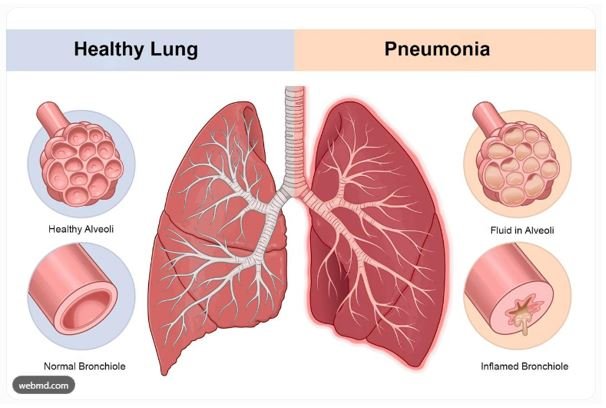
Pneumonia is one of the most serious complications of influenza.
It occurs when infection causes inflammation in the lungs. It may develop directly from influenza or after a secondary bacterial infection.
Possible symptoms include:
- Persistent or worsening fever.
- Difficulty breathing.
- Chest pain.
- Severe cough.
- Rapid breathing.
- Low oxygen levels.
Pneumonia requires prompt medical assessment and may need hospital treatment.
2. Bronchitis
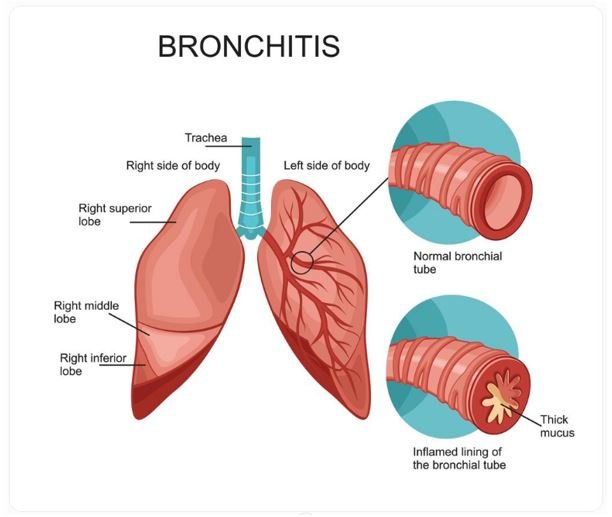
Bronchitis refers to inflammation of the bronchial tubes that carry air into the lungs.
Viral infections, including influenza, can cause acute bronchitis.
Common symptoms include:
- Persistent cough.
- Chest discomfort.
- Mucus production.
- Mild breathlessness.
A cough may continue even after other flu symptoms have improved.
3. Myocarditis
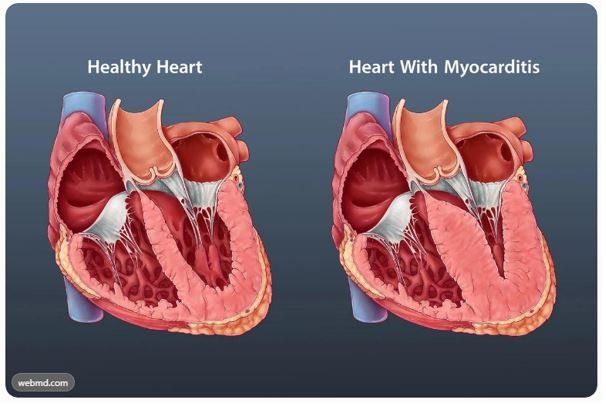
Myocarditis is inflammation of the heart muscle. It is an uncommon but potentially serious complication of viral infections, including influenza.
Possible symptoms include:
- Chest pain.
- Unusual breathlessness.
- Rapid or irregular heartbeat.
- Unexplained fatigue.
- Dizziness or fainting.
Seek urgent medical attention if these symptoms develop.
Other Possible Complications
Influenza may also lead to:
- Worsening of existing asthma.
- Heart-related complications.
- Sinus infections.
- Ear infections.
- Severe dehydration.
- Sepsis in severe cases.
People with chronic illnesses should be especially careful.
World Health Organization+1
Influenza Prevention: Why Annual Vaccination Matters

Vaccination is the most effective way to reduce the risk of seasonal influenza and its serious complications.
Influenza viruses change over time. Therefore, influenza vaccines are updated regularly to provide protection against circulating strains.
Who Should Consider Annual Influenza Vaccination?
Annual vaccination is particularly important for:
- Older adults.
- Pregnant women.
- People with diabetes.
- People with heart or lung diseases.
- Healthcare workers.
- People with weakened immune systems.
The appropriate vaccine and timing depend on age, health status and local recommendations.
For people living in India, influenza activity can occur throughout the year, with seasonal peaks that vary by region.
Therefore, discuss the appropriate vaccination schedule with a healthcare professional.
Other Preventive Measures
Along with vaccination:
- Wash your hands regularly.
- Cover your mouth when coughing or sneezing.
- Avoid close contact with infected people.
- Wear a well-fitting mask when appropriate.
- Maintain good ventilation.
- Avoid crowded places when unwell.
- Stay home while experiencing fever and significant respiratory symptoms.
Vaccination is recommended annually because protection can decrease over time and circulating influenza viruses can change.
World Health Organization+1
Influenza vs Common Cold: What Is the Difference?
Many people confuse influenza with the common cold. However, there are some important differences.
| Feature | Influenza (Flu) | Common Cold |
| Onset | Usually sudden | Usually gradual |
| Fever | Common | Uncommon in adults |
| Chills | Common | Less common |
| Body ache | Often severe | Usually mild |
| Headache | Common | Sometimes |
| Fatigue | Often significant | Usually mild |
| Sneezing | Sometimes | Very common |
| Runny nose | Sometimes | Common |
| Cough | Common, often dry | Usually mild |
| Complications | Can be serious | Usually mild |
Remember: Symptoms alone cannot always distinguish influenza from COVID-19 or other respiratory infections. Testing may be necessary.
When Should You Consult a Doctor?
Do not ignore severe influenza symptoms.
Seek medical advice if you experience:
- High fever that persists.
- Fever or cough that improves and then returns.
- Increasing weakness.
- Persistent vomiting.
- Signs of dehydration.
- Worsening cough.
- Difficulty carrying out normal activities.
Medical emergency
Seek immediate medical attention for:
- Difficulty breathing or shortness of breath.
- Persistent chest pain or pressure.
- Confusion or difficulty waking.
- Bluish lips or face.
- Severe weakness or inability to stand.
- Very little or no urine.
Children may show additional warning signs, such as fast breathing, poor feeding, unusual drowsiness or dehydration.
People with diabetes should seek medical advice early when flu symptoms develop. Fever and infection can make blood glucose harder to control.
Frequently Asked Questions (FAQs)
- What are the first symptoms of influenza?
Influenza usually begins suddenly with fever, chills, headache, severe body aches, dry cough and extreme tiredness. Some people also develop a sore throat and runny nose.
- Which homeopathic medicines are traditionally used for influenza?
The supplied chart lists Oscillococcinum 200, Eupatorium Perfoliatum 200, Gelsemium 200, Influenzinum 200, Bryonia 30, Rhus Toxicodendron 30 and Arsenicum Album 30. These are traditional homeopathic recommendations, not scientifically proven influenza treatments.
- What is the best medical treatment for influenza?
Treatment may include prescription antiviral medicines such as oseltamivir. These medicines work best when started within 48 hours of symptom onset. People at high risk or with severe illness should seek prompt medical assessment.
- How long does influenza usually last?
Most people recover from influenza within approximately one week. However, cough and tiredness may continue for two weeks or longer.
- Can influenza cause pneumonia or heart problems?
Yes. Influenza can cause pneumonia and, rarely, myocarditis. These complications may be serious and require urgent medical attention.
References & Further Learning:
For additional clinical insights, materia medica explanations, and practical perspectives on homeopathic management, the information in this article/page has been cross-referenced with educational resources shared by qualified homeopathic practitioners and researchers in their YouTube Channel (Links given Below). Readers seeking deeper guidance on remedy selection, potencies, and holistic care may explore video lectures and case discussions by established homeopathic doctors as listed below with their YouTube Channel Link :
| SL No. | Channel / Doctor Name | Primary Focus & Clinical Background | YouTube Link |
| 1 | Dr. Kirti Vikram Singh | Covers disease-specific remedies, mother tinctures, German combinations, and daily live Q&A sessions. | https://www.youtube.com/drkirtivikramsingh |
| 2 | Dr. Pranjali Srivastava | Registered BHMS physician and certified nutritionist focusing on holistic disease management and lifestyle care. | https://www.youtube.com/@drpranjalihomeopathy
|
| 3 | Dr. Swapnil Sagar Jain | BHMS consultant at Niramay Homeopathy offering remedy guides for acute and chronic conditions. | https://www.youtube.com/@DrSwapnilSagarJain-NIRAMAY |
| 4 | Dr. Umang Khanna | Focuses on natural homeopathic treatments, chronic illness management, and educational health guides in Hindi. | https://www.youtube.com/@drumangkhanna |
| 5 | Shree Radhey Homeopathy | Hosted by Dr. Chakshu; features remedy explanations, patient case stories, and live consultation Q&As. | https://www.youtube.com/@ShreeRadhey |
| 6 | Dr. P.S. Tiwari | Senior D.M.S. homeopath with 36+ years of experience explaining classical Materia Medica and therapeutics. | https://www.youtube.com/@DrPSTiwari |
| 7 | Dr. Varun Kanwadia | BHMS, DNHE consultant sharing practical homeopathic solutions for skin, hair, respiratory, and digestive issues. | https://www.youtube.com/@varunkanwadia |
| 8 | Dr. Arpana Samanta | Gold Medalist BHMS (Delhi) & PGD (London) with 20+ years of experience covering chronic diseases like thyroid, PCOS, and skin disorders. | https://www.youtube.com/@dr.arpanasamanta |
| 9 | Dr. Rukmani Choudhary | Focuses on root-cause homeopathic treatments, comparative remedy selection, and live Q&A sessions. | https://www.youtube.com/@Dr.Rukmani-HomeopathyClinic |
| 10 | Dr. Santosh Kumar Padhy | Provides accessible homeopathic remedy suggestions and general health guidance for everyday ailments. | https://www.youtube.com/@dr.santoshkumarpadhy8888 |
Medical Disclaimer:
This article is for educational and informational purposes only. It is not a substitute for professional medical advice, diagnosis, or treatment. Always seek the guidance of a qualified healthcare provider and a licensed homeopathic practitioner before starting any treatment for pneumonia or any other medical condition.