
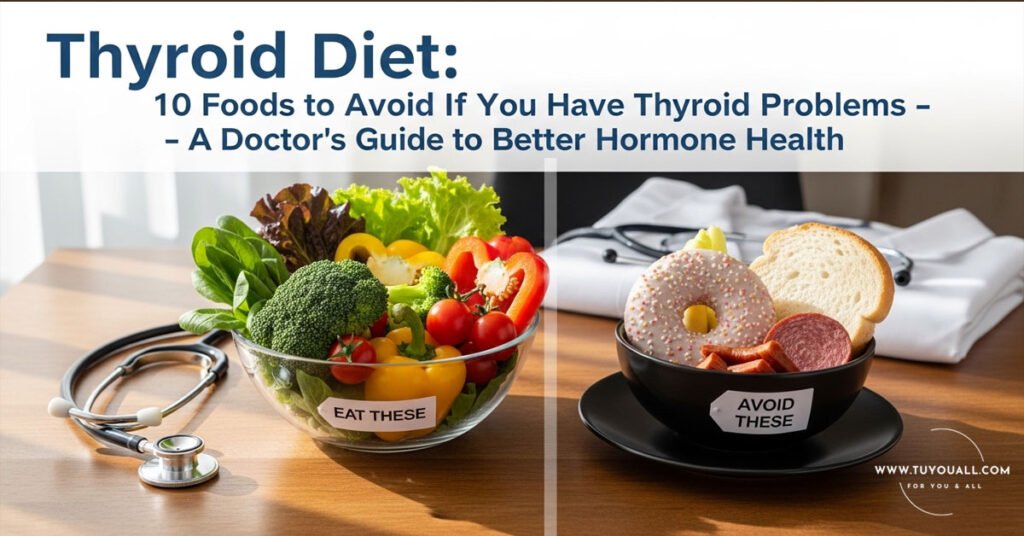
Discover 10 foods that worsen thyroid health according to endocrinologist Dr. Tanvi Patel. Learn what to avoid for better hormone balance and medication absorption with thyroid diet.
Are you tired of conflicting advice about what to eat with thyroid issues? You’re not alone. Every day, countless thyroid patients walk into clinics confused about whether they need a special “thyroid diet” or if certain foods could be sabotaging their medication. The truth might surprise you: there is no one-size-fits-all restrictive diet for thyroid, but there are specific foods that can interfere with your hormone production and medication absorption.
In this comprehensive guide, Dr. Tanvi Mayur Patel—a leading endocrinologist and hormone specialist from Mumbai—breaks down exactly which foods to limit or avoid for optimal thyroid health. Whether you’re battling weight gain from slow metabolism or struggling to stabilize your thyroid levels, these evidence-based recommendations could be the missing piece of your wellness puzzle.
Understanding the Thyroid-Food Connection
Before diving into the specific foods, let’s clarify something important: “Having thyroid doesn’t mean that certain food is completely NO for you,” explains Dr. Patel. However, being mindful of what you eat becomes crucial because thyroid patients typically have slower metabolisms, making them prone to weight gain and digestive issues.
The foods we’ll discuss fall into three main categories:
- Those that interfere with hormone production
- Those that block medication absorption
- Those that trigger inflammation or digestive problems
Let’s explore each one in detail.
1. Soy Products: The Double Threat to Thyroid Health
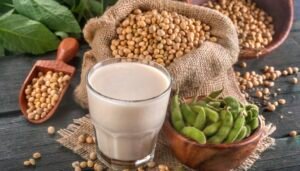
Why it’s problematic: Soy contains isoflavones and flavonoids—plant compounds that create a two-pronged attack on your thyroid health.
First, these chemicals reduce thyroid hormone production from your gland itself. Second, they interfere with the absorption of levothyroxine (the most common thyroid medication). This means even if you’re taking your medication religiously, soy could be preventing your body from actually using it.
Foods to watch out for:
- Soy milk (especially popular among vegans replacing dairy)
- Tofu and soy paneer
- Edamame
- Miso and tempeh
- Vegetarian meat substitutes
The workaround: You don’t have to eliminate soy completely, but Dr. Patel strongly advises avoiding it around the time you take your medication. If you do consume soy products, separate them from your thyroid medicine by at least a few hours.
“Whatever food which is prepared from soy is to be avoided… use soy as minimum as possible.” — Dr. Tanvi Mayur Patel
2. Raw Cruciferous Vegetables: The Goitrogen Risk
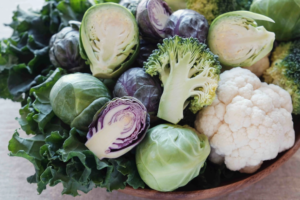
Cruciferous vegetables are nutritional powerhouses—except when it comes to raw consumption with thyroid issues. This family includes:
- Cabbage
- Cauliflower
- Broccoli
- Kale
- Turnips
The science behind the concern: These vegetables contain goitrogens—specifically goitrin, thiocyanate, and certain flavonoids. These substances:
- Block proper absorption of thyroid medication
- Interfere with iodine uptake (essential for thyroid function)
- Potentially disrupt normal thyroid gland functioning
But don’t panic—you can still eat your veggies! The key is preparation:
| Preparation Method | Goitrogen Level | Recommendation |
| Raw | High | Avoid or minimize |
| Steamed/Cooked | Significantly reduced | Safe in moderation |
| Fermented | Reduced | Occasional consumption okay |
Dr. Patel’s guidelines:
- Cook them thoroughly (which Indians typically do anyway)
- Limit portions to 100-150 grams per serving
- Avoid raw consumption completely
- Don’t eat them in the morning when you take your medication
- Frequency: Once a week to ten days is perfectly fine
3. Gluten: The Hidden Digestive Disruptor
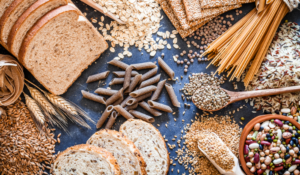
Gluten—a protein found in wheat, barley, oats, and semolina—can be particularly problematic for thyroid patients, and here’s why: both celiac disease and thyroid disorders are autoimmune conditions that often occur together.
How gluten affects thyroid patients:
- Causes digestive inflammation and intestinal swelling
- Leads to poor nutrient absorption
- Weakens the digestive system over time
- Triggers immune responses in sensitive individuals
Not every thyroid patient needs to go gluten-free, but many have a “variant of celiac disease” that makes gluten digestion difficult.
Smart gluten strategies:
- Choose whole grains over processed refined flour
- Opt for whole grain bread and bakery items when possible
- Pay attention to how your body reacts after wheat-heavy meals
- Consider a trial elimination if you experience bloating or digestive issues
4. Fried and High-Fat Foods: Cholesterol’s Worst Enemy
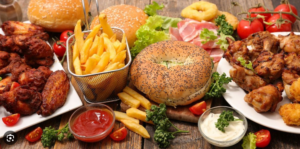
If you love your daily dose of pakoras, bhajiyas, or fried snacks, this one’s going to hurt: fried food is particularly dangerous for thyroid patients.
The double damage:
- Reduces thyroid hormone production
- Blocks medication absorption
- Worsens cholesterol levels (already a common problem in hypothyroidism)
- Increases heart disease risk
Foods to limit:
- Deep-fried snacks (pakoras, bhajiyas, fritters)
- Excessive butter and cheese
- Margarine and mayonnaise
- Heavy creamy dishes
“Next time when you eat Fried food or fat-containing food… think twice before eating them.” — Dr. Tanvi Mayur Patel
5. Processed Sugar: The Metabolism Killer

White, processed sugar is essentially empty calories with zero nutritional value—a dangerous combination for anyone with slow metabolism.
The vicious sugar cycle:
More sugar → More cravings → Weight gain → Slower metabolism → More fatigue → More sugar cravings
Why thyroid patients should avoid it:
- Directly contributes to weight gain (already difficult to manage with hypothyroidism)
- Increases risk of diabetes, PCOS, and high blood pressure
- Provides no nutritional benefit
- Creates addictive eating patterns
The solution: Break the cycle by saying no to white sugar. Your weight will be easier to control, and you’ll avoid the cascade of obesity-related health problems.
6. Processed and Packaged Foods: The Sodium Trap
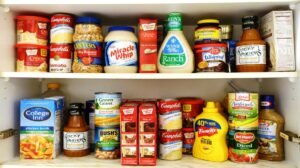
That quick snack from the supermarket might be convenient, but it’s likely loaded with excessive sodium and unhealthy oils.
Common culprits:
- Savory snacks and chips
- Papads and pickles
- Bottled sauces and dressings
- Instant noodles and mixes
The blood pressure connection: High sodium intake directly increases blood pressure risk. According to the American Heart Association, you should limit sodium to maximum 1,500mg per day.
Dr. Patel’s shopping tip: “Before buying anything, you must read its nutritional content… Do not buy anything in the name of health. Read nutritional content in its packet, it will make you more aware about it.”
7. Excessive Fiber: The Absorption Blocker
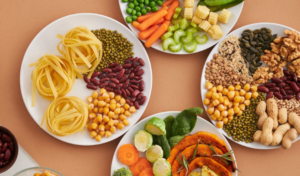
Wait—fiber is supposed to be good for you, right? Yes, but too much of a good thing can backfire with thyroid medication.
The fiber paradox:
- Good: Protects against cancer, helps weight management, supports digestive health
- Bad for thyroid: Slows digestion and reduces medication absorption
The numbers: Stick to 25-40 grams of fiber daily depending on your age. Many “health-conscious” people overdo it with fiber supplements and high-fiber diets, not realizing they’re sabotaging their thyroid medication.
Dr. Patel’s clinical insight: “Many times it happens that we have given medicine to the patient and their thyroid report doesn’t come properly, then when we go in depth about their diet history, thats when we realise that those people are eating too much fiber.”
The timing rule: If you eat high-fiber foods, keep them 3-4 hours away from your thyroid medication.
8. Coffee: Timing Is Everything

For the coffee lovers who can’t start their day without a cup (or four)—this one’s for you.
The caffeine problem:
- Habit-forming stimulant that creates dependency
- Not ideal for thyroid health
- Can interfere with medication absorption if consumed too close to dosing
The safe approach:
- Maximum 2 cups per day
- Wait 45 minutes after taking thyroid medication before drinking coffee
- Avoid the “4 to 6 cups” habit that many people develop
9. Alcohol: The Hormone Disruptor

Any form of alcohol is not recommended for optimal thyroid health. It interferes with thyroid hormone production and can worsen overall metabolic function.
The recommendation: Keep consumption minimal or eliminate entirely. Your thyroid will thank you.
10. Miscellaneous Foods to Moderate
Dr. Patel mentions several other foods that can affect thyroid health and should be consumed cautiously:
Fruits to limit:
- Peaches (despite being antioxidant-rich)
- Strawberries
Nuts to watch:
- Peanuts (avoid)
- Walnuts (eat in moderation)
Vegetables to minimize:
- Turnips
- Radishes
- Spinach
While these aren’t as critical as the top 9, avoiding them “will be good for all health” according to Dr. Patel.
Quick Reference: Foods to Avoid vs. Safe Alternatives
| Avoid/Limit | Better Alternatives |
| Soy milk | Almond milk, oat milk (in moderation) |
| Raw cruciferous veggies | Well-cooked cruciferous veggies |
| White bread/refined flour | Whole grain bread, millet rotis |
| Fried snacks | Baked or air-fried alternatives |
| White sugar | Stevia, monk fruit, jaggery (small amounts) |
| Packaged chips | Homemade roasted snacks |
| Excessive fiber supplements | Natural fiber from vegetables |
| Coffee with medication | Coffee 45+ minutes after medication |
| Alcohol | Herbal teas, infused water |
Frequently Asked Questions (FAQ)
Q.1. Can I ever eat cruciferous vegetables if I have thyroid problems?
Yes, absolutely! The key is preparation and timing. Always cook them thoroughly (which reduces goitrogen content by up to 90%), keep portions to 100-150 grams, and avoid eating them raw or with your morning medication.
Q.2. Will avoiding these foods cure my thyroid condition?
No, these dietary changes won’t cure thyroid disorders, but they can significantly improve your symptoms, help with weight management, and ensure your medication works effectively. Think of it as optimizing your treatment, not replacing it.
Q.3. How long should I wait after taking medication to eat these foods?
For most foods, maintain a 3-4 hour gap after taking levothyroxine. For coffee specifically, wait at least 45 minutes. Always take your medication on an empty stomach with water.
Q.4. Is gluten-free necessary for all thyroid patients?
Not necessarily. However, because celiac disease and thyroid disorders often coexist, it’s worth trying a gluten elimination for 2-3 weeks to see if you notice improvements in digestion, energy, or bloating.
Q.5. Can I have soy sauce or small amounts of soy?
Small amounts of fermented soy (like soy sauce) are generally less problematic than unfermented soy products like soy milk or tofu. However, it’s best to avoid soy completely around the time you take your medication.
The Bottom Line: Your Thyroid-Friendly Action Plan
Managing thyroid health through diet isn’t about extreme restrictions—it’s about strategic timing and moderation. Here’s your takeaway checklist:
- No food is completely off-limits forever, but some require careful management
- Timing matters more than elimination for many foods (especially around medication)
- Cooking transforms problematic foods (raw cruciferous vs. cooked)
- Read labels on packaged foods to avoid hidden sodium and additives
- Whole foods over processed is always the winning strategy
- Monitor your body’s response and adjust accordingly with your doctor’s guidance
Remember, thyroid patients already deal with slow metabolism and weight challenges. Every dietary choice either supports your health or adds to the burden. By being mindful of these 10 food categories, you’re giving your thyroid—and your overall health—the best possible support.
What’s your biggest challenge when it comes to managing your thyroid through diet? Share in the comments below, and let’s discuss strategies that work for real life!
Source & Credit
This blog post is based on insights from Dr. Tanvi Mayur Patel‘s YouTube video: “10 Foods to Avoid for Thyroid Patients” from her channel dedicated to thyroid and hormone health education.
The original content has been translated, expanded, and repurposed for educational purposes.
Dr. Tanvi Mayur Patel is an Endocrinologist (hormone specialist) practicing in Mumbai, India. For more thyroid-related guidance, including her video on how to take thyroid medication correctly, visit her YouTube channel.


