Discover 3 kitchen superfoods that can help reverse type 2 diabetes naturally. Dr. Rohini Patil shares science-backed dietary strategies for better blood sugar control.
Have you ever wondered why some people can eat rice and roti daily without developing diabetes, while others get diagnosed despite eating “healthy”? Here’s the truth that might surprise you: Type 2 diabetes isn’t just about what you eat—it’s about how, when, and in what order you eat it.
India has earned the unfortunate title of “Diabetes Capital of the World,” with over 77 million people living with this condition—that’s one in six diabetics globally. But what if I told you that your kitchen already holds the power to change this story?
Dr. Rohini Patil, a physician who’s seen countless patients transform their health, argues that type 2 diabetes is largely lifestyle-driven and completely reversible through strategic dietary choices. In this guide, we’ll explore the three superfoods sitting in your pantry right now that could help you take back control of your blood sugar—no expensive supplements required.
Understanding the Blood Sugar Rollercoaster
Before diving into the superfoods, let’s decode what’s actually happening inside your body when you eat. Dr. Patil emphasizes two critical concepts that everyone must understand: sugar spikes and insulin resistance.
The Morning Mistake Most Indians Make
Picture this: You wake up and reach for your bed tea, or perhaps a bowl of fresh fruits to “eat healthy.” According to Dr. Patil, both choices set you up for failure.
“When you have chai as the first thing in the morning, the milk and sugar in the tea is going to spike the blood sugar in your body. And then when there is a lot of sugar in your bloodstream, your body starts secreting insulin. But do you know what happens here? High sugar spikes your blood sugar and then insulin is going to drop it really low. That is going to make you hungry within an hour or two.” — Dr. Rohini Patil
This crash doesn’t just make you hungry—it makes you crave unhealthy foods, more carbohydrates, and sugar. The same happens when you eat fruits (essentially “sugar with some multivitamins”) on an empty stomach. That morning fruit juice? It’s doing exactly what tea does to your body.
The Vicious Cycle of Insulin Resistance
When you repeatedly consume high-sugar and high-carb foods like rice, roti, and bread—especially for all three meals—your body undergoes a dangerous adaptation:
- Blood sugar spikes repeatedly throughout the day
- Pancreas constantly secretes insulin to manage it
- Over time, cells stop responding to insulin signals
- Body produces even more insulin to compensate
- Eventually, this leads to insulin resistance, then prediabetes, then full-blown diabetes
Dr. Patil stresses: “This is not a result of one or two days. This is a result of something that you’ve been doing for years together, thinking that it is healthy for your body.”
The Prediabetes Window: Your Chance to Reverse
Here’s the critical information that could save your health: There’s a specific window where reversal is easiest.
| Stage | HbA1c Level | Status | Reversibility |
| Normal | Below 5.7% | Healthy | N/A |
| Prediabetes | 5.7% – 6.4% | Warning Zone | Highly Reversible |
| Diabetes | Above 6.4% | Chronic Condition | Possible with effort |
If your HbA1c falls between 5.7 and 6.4, you have prediabetes—and this is exactly the right stage where you can still reverse it. Once you cross into diabetes territory (above 6.4), reversal becomes significantly harder though not impossible.
Many people resign themselves to diabetes because “it runs in the family.” Dr. Patil strongly disagrees: “It’s not like that. It’s not true, especially for Type 2 diabetes because it is lifestyle-oriented and it is completely curable with your dietary modifications. Even if you have it genetically.”
The Food Order Strategy: Eat Smart, Not Less
Here’s a simple trick that requires zero calorie counting or food elimination: Change the order in which you eat your food.
To avoid insulin spikes, follow this sequence for every meal:
- Start with fats and fiber (nuts, seeds, or salad)
- Eat protein next (eggs, lentils, chicken, paneer, tofu)
- Consume carbohydrates last (rice, roti, or bread)
- Sweet cravings? Have them at the very end (if at all)
For Example: If you’re having lunch, start with a bowl of salad, followed by lentils or chicken, and then move to your rice or roti. If you must have something sweet, have it after everything else.
This order ensures your body doesn’t spike sugar, helps control portion sizes naturally, and keeps you satisfied longer. “This works for somebody who genetically has the risk of diabetes and diabetes runs in their family, and this is for somebody who already has diabetes and battling it. It works for all people,” assures Dr. Patil.
The Glycemic Index: Your New Best Friend
Understanding the Glycemic Index (GI) is crucial for managing diabetes. GI is simply a number indicating how much a particular food will spike your blood sugar:
| Category | GI Range | Examples | Effect on Blood Sugar |
| Low GI | Below 55 | Nuts, ghee, coconut oil, most vegetables | Slow, steady release |
| Medium GI | 55-70 | Dal, some fruits, whole grains | Moderate rise |
| High GI | Above 70 | White rice, roti, bread, sweets, fruit juices | Sharp spike and crash |
The Secret Weapon: Food Combining
You don’t have to give up rice entirely. Dr. Patil reveals a game-changing strategy: Combine high GI foods with low GI foods to balance the overall impact.
“If you are having something high glycemic like white rice and if you combine ghee with it—which is extremely low glycemic—this is called as a positive food composition. And this is going to balance the blood sugar spike of this meal. The rice that you are eating actually ends up becoming low glycemic because you combined it with ghee. And if you combine it with dal, it is great. So this is just your dal, chawal, and ghee which is a traditional food.”
That traditional Indian meal your grandmother served? It’s actually a scientifically balanced, moderate glycemic meal when eaten together.
The 3 Kitchen Superfoods for Diabetes Reversal
Now, let’s reveal the three powerful ingredients Dr. Patil recommends incorporating into your daily routine. These aren’t exotic imports—they’re probably in your kitchen right now.
1. Fenugreek Seeds (Methi Dana): The Blood Sugar Stabilizer
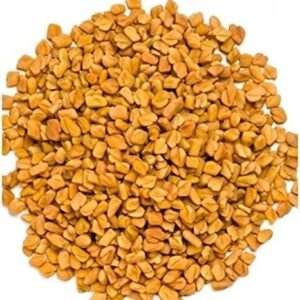
Why it works: Fenugreek seeds contain galactomannan, a soluble fiber that:
- Slows down blood sugar spikes
- Ensures your pancreas secretes insulin slowly and steadily
- Stabilizes blood sugar levels throughout the day
- Cleanses your gut
But that’s not all. Methi dana contains a unique bioactive compound called 4-hydroxyisoleucine that actually stimulates your pancreas’s beta cells to secrete more insulin. Dr. Patil notes: “This is basically the property of the medicines also that you take. So there is a natural food that is giving you exactly the same medical and scientific effect.”
How to use it:
- Best method: Soak 1 teaspoon of fenugreek seeds overnight. Consume the soaked seeds first thing in the morning on an empty stomach.
- Alternative: Add soaked or powdered methi to your roti dough or parathas to lower the meal’s glycemic impact.
2. Cinnamon (Dalchini): The Natural Insulin Mimic

Beyond its warm, sweet aroma, cinnamon is excellent for managing blood sugar levels because it:
- Reduces blood sugar in the bloodstream
- Increases sugar uptake by your cells
- Manages blood sugar spikes and insulin resistance
- Acts as a powerful antioxidant
The Science: Cinnamon contains cinnamaldehyde and polyphenols that promote autophosphorylation—increasing the uptake of sugar by your cells through specific receptors. It also promotes the movement of GLUT4 protein, which transfers glucose from your bloodstream into your muscles and fat cells.
“When you transport the glucose from your bloodstream to your muscles, this is where it gives more energy to your muscle and to your body to function properly. And there won’t be any brain fog or blood sugar spike and crash because the blood sugar in the bloodstream will be maintained properly.”
How to use it:
- Have 1 teaspoon of cinnamon every morning on an empty stomach
- Mix it with your soaked fenugreek seeds for a powerful combo
- Can’t skip your morning chai? Add a pinch of cinnamon to it
- Sprinkle on yogurt or fruit chaat (but eat fruits wisely!)
3. Chia Seeds: The Satiety Superstar
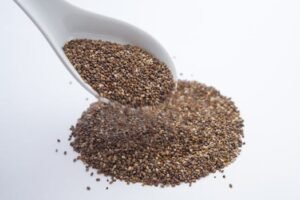
Well-soaked chia seeds are excellent for diabetes management because they are:
- Super rich in fiber and Omega-3 content
- Natural appetite suppressants (similar to Ozempic but natural!)
- Anti-inflammatory and cardio-protective
The Ozempic Effect: When consumed, chia seeds swell up in your gut and form a gel-like substance that:
- Slows down the absorption of food and sugar you’re eating
- Naturally slows gastric emptying time
- Keeps you fuller for longer
- Reduces the portion size of your next meal
For Example: If you add chia seeds to your breakfast, you’ll naturally eat less at lunch without trying. This supports weight loss—and losing just 5-7% of your body weight (even 4-5 kg) can dramatically help balance blood sugar levels.
The alpha-linolenic acid in chia seeds also reduces inflammation and keeps blood vessel walls elastic, preventing blockages and protecting your cardiovascular system.
How to use it:
- Must be soaked overnight (never eat them dry)
- Add 1 teaspoon of soaked chia seeds to yogurt, salads, or fruit bowls
- Add to any one meal throughout the day for all-day blood sugar management
Bonus Strategies for Long-Term Success
Dr. Patil doesn’t stop at superfoods. Here are additional pillars for reversing diabetes:
Build Muscle Mass
More muscle equals more insulin sensitivity. When you carry more muscle, your body naturally manages blood sugar levels better.
Action steps:
- Start resistance training (weights at gym or home)
- Try Pilates or power yoga
- Aim for progressive overload—increase intensity gradually
Prioritize Protein and Fiber
Throughout the day, focus on:
- Green leafy vegetables and lots of salads
- High-protein sources: Lentils, chicken, eggs, tofu, paneer
- Target: 1 gram of protein per kg of body weight daily
For Example: If you weigh 60 kg, aim for 60 grams of protein daily. If you’re vegetarian and struggling to meet this target naturally, invest in a good quality protein powder—it’s a must for diabetics.
The Morning Fat Protocol
Start your day with 1 teaspoon of ghee or cold-pressed coconut oil on alternate days. Have it with warm water or black coffee.
Why this works: “First thing in the morning, your blood sugar is highly sensitive because you have not eaten anything for the whole night. So the first thing that you put in your body is going to decide how your blood sugars are going to be for the entire day.”
The Perfect Morning Routine:
- 1 tsp ghee or coconut oil with warm water
- Wait 10-15 minutes
- Soaked fenugreek seeds with a pinch of cinnamon powder
“This is going to just set the tone for the day, and you will see the magic it does to your body in the long run,” promises Dr. Patil.
Frequently Asked Questions (FAQ)
Q: Can I really reverse diabetes if it’s genetic?
A: Yes! Dr. Patil emphasizes that Type 2 diabetes is lifestyle-oriented, not purely genetic. Even with a family history, dietary modifications, right exercise, and lifestyle habits can completely reverse it.
Q: Do I need to stop eating rice and roti completely?
A: No. The key is food combining and order of eating. Combine rice with ghee and dal (traditional Indian meals) to lower the glycemic impact. Eat protein and fiber before carbohydrates.
Q: How long does it take to see results?
A: With consistent application of these strategies over 1-2 years, many people see medication dosages reduce significantly. Some have completely reversed their diabetes. It’s not an overnight fix but a sustainable lifestyle change.
Q: Is fruit healthy for diabetics?
A: Fruits contain sugar with vitamins. Eating them on an empty stomach or as juice spikes blood sugar dangerously. If you eat fruit, have it after a meal, not before, and choose lower GI options like berries over mangoes or bananas.
Q: Why does my doctor tell me to eat sugar when my blood sugar drops?
A: This is a common misconception. You don’t need sugar to maintain blood sugar levels—you need low glycemic foods that prevent crashes and spikes in the first place. Sugar creates a temporary fix that worsens the long-term cycle.
Conclusion: Your Kitchen, Your Medicine Cabinet
The path to reversing diabetes doesn’t require expensive medications or impossible diets. It starts with understanding how food affects your body and leveraging simple, traditional ingredients strategically.
Remember these key takeaways:
- Prevent sugar spikes by eating foods in the right order (fats/proteins first, carbs last)
- Use the glycemic index to make smarter food choices and combinations
- Incorporate fenugreek seeds, cinnamon, and chia seeds daily
- Build muscle through resistance training
- Prioritize protein intake (1g per kg body weight)
- Start your morning with healthy fats, not sugar
Dr. Patil has seen patients reduce medications, eliminate insulin supplementation, and completely reverse their diabetes using these methods. The power is literally in your hands—and your kitchen cabinets.
What’s the first change you’ll make to your morning routine tomorrow? Will you swap your bed tea for soaked fenugreek seeds, or will you add that teaspoon of ghee to stabilize your blood sugar? Share your commitment in the comments below.
Source & Credit
This blog post is based on insights from Dr. Rohini Patil‘s YouTube video: “Top 3 Superfoods Every Diabetic Should Have” with the sentence ‘The original content has been translated, expanded, and repurposed for educational purposes.’
For more detailed guidance on managing blood sugar levels naturally and diet planning, check out Dr. Rohini Patil’s book “The Lifestyle Diet” available on Amazon, which contains lots of easy tips for sustainable health transformation.