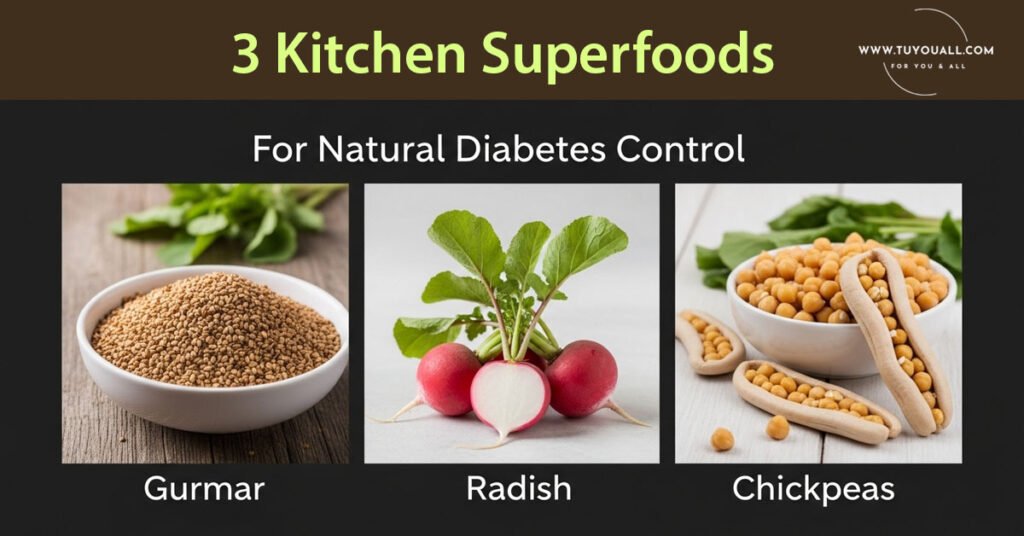
Discover 3 affordable kitchen superfoods—Gurmar, radish, and chickpeas—that naturally control blood sugar, boost energy, and restore vitality. Start today for Natural diabetes control!.
Have you ever woken up feeling like your body is carrying a weight you can’t explain? That heavy fatigue, the constant worry about your next blood sugar spike, and the frustration of doing “everything right” but still not feeling like yourself?
If you’re one of the millions battling diabetes—or if someone you love is fighting this daily challenge—this story is for you. Today, I’m sharing three ordinary items sitting in your kitchen right now that don’t just help control blood sugar, but can give you back the energy, glow, and peace of mind you’ve been missing.
Even if you don’t have diabetes, keep reading. Because true health isn’t just about avoiding sickness—it’s about waking up every single day feeling vibrant, light, and genuinely happy.
The Story of Rahul: When Modern Medicine Needed Nature’s Help
Rahul was 38 years old and living in a small town where the air still smelled of fresh earth and morning dew. He used to be the most energetic person in his village—every morning, he’d walk the field paths, play with children, and spread smiles wherever he went. People would say, “Rahul, you’ll stay young forever.”
But life’s race slowly changed him.
A few years ago, Rahul discovered he had diabetes. At first, he didn’t take it seriously. “I’ll just be a little careful,” he thought. “It’ll be fine.”
But gradually, his blood sugar levels kept climbing. Every morning brought crushing fatigue. His face lost its glow, dark circles appeared under his eyes, and that signature smile—that had been his identity—vanished completely. Rahul started avoiding his friends, afraid they’d see his weakness.
He followed doctor’s orders. He took medications. He gave up sweets and changed his diet. But something was still missing. His blood sugar tests kept fluctuating, and he never felt truly well.
One day, his old friend Ajay visited. Seeing Rahul’s tired eyes and silent despair, Ajay said: “Come with me. I heard there’s a guru at the nearby Buddhist ashram who knows solutions for every health and mind problem.”
Rahul was skeptical. “Diabetes treatment is for doctors,” he thought. “What’s at an ashram?” But Ajay insisted, and Rahul agreed—what harm could trying something new do?
The Wisdom of the Guru: Three Gifts from Nature
The next morning, Rahul entered the ashram grounds. Immediately, he felt an strange peace—green trees everywhere, morning dew dripping from leaves, the faint scent of flowers, and birdsong in the distance. For the first time in years, Rahul felt like he could truly breathe.
Under an ancient banyan tree, the guru sat on a simple mat. His face held such tranquility, it seemed he knew the answer to every worldly trouble. Rahul poured out his heart:
“Guruji, I have diabetes. I take medicines, I watch my diet, but my blood sugar won’t stabilize. I’m tired all the time. My life has lost its freshness. I don’t know what else to do.”
The guru listened carefully, then took a deep breath and said:
“Rahul, diabetes is not just a disease of your body. It is an imbalance in your life. Your body, your mind, and your daily routine—they are all connected. Medicines are necessary, but nature also has answers. Buddha taught that true health blooms from within. I will tell you about three things already in your home. Include them in your diet, and they will not only control your blood sugar but bring peace to your mind.” — Guru
Rahul’s eyes lit up. For the first time, he felt hope.
Superfood #1: Gurmar (Gymnema Sylvestre) — The Sugar Destroyer
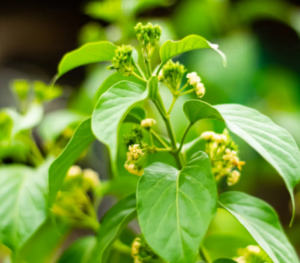
The guru began with the first gift: Gurmar, also known as Gymnema Sylvestre or the “sugar destroyer.”
“Rahul, this herb is called ‘sugar’s destroyer’ in Ayurveda,” the guru explained. “Its very name tells you—it reduces cravings for sweets and gives your body strength to fight sugar.”
How Gurmar Works for Blood Sugar Control
Every Gurmar leaf is nature’s gift. Here’s what makes it special:
| Benefit | How It Helps Diabetics |
| Slows sugar absorption | Prevents blood sugar spikes after meals |
| Improves insulin sensitivity | Helps your body use insulin more effectively |
| Supports digestion | Reduces constipation and gas that worsen diabetes |
| Balances appetite | Controls frequent hunger pangs common in diabetes |
| Reduces stress | Calms the mind; stress is diabetes’s biggest enemy |
“Rahul, diabetes isn’t just about what you eat—it’s about your body’s system. When your body is in balance, half the battle against diabetes is already won. Gurmar helps bring that balance.”
How to Use Gurmar (Step-by-Step)
Option 1: Fresh Leaves (Most Effective)
- Take 5-7 fresh Gurmar leaves each morning
- Chew them slowly on an empty stomach
- Let the juice absorb into your system
- Wait 30 minutes before eating
Option 2: Gurmar Tea
- Boil 5-7 leaves in one cup of water
- Let it steep for 5 minutes
- Drink slowly, preferably morning on empty stomach
Option 3: Powder Form
- Mix ½ teaspoon Gurmar powder in lukewarm water
- Drink in the morning only (never at night—its cooling nature can feel heavy)
Important Timing Rule: Always take Gurmar in the morning. It kickstarts your day with freshness and energy.
“Buddha taught that nature holds the answer to every question—if you seek it. Gurmar is a small part of that answer, capable of reawakening your health.” — Guru
Superfood #2: Radish (Mooli) — The Humble Powerhouse
Rahul listened intently, the ashram’s peace deepening his focus. The guru smiled and continued:
“Patience, Rahul. The next gift is even more special.”
He revealed the second superfood: Radish (Mooli)—that ordinary vegetable you’ve seen countless times on your plate.
“This simple vegetable you’ve seen in salads or winter parathas—today I’ll tell you how extraordinary it is for diabetes,” the guru said. “This is no ordinary vegetable. It’s nature’s gift that heals your body from within.”
Why Radish Is a Diabetes Superstar
Radish contains fiber—diabetes’s biggest weapon. Here’s the science made simple:
The Blood Sugar Connection:
- When you eat, your body breaks food into sugar
- If sugar enters your blood too quickly, levels spike
- Radish’s fiber slows this process, keeping blood sugar stable
But radish offers so much more:
| Health Benefit | Impact on Diabetics |
| Better insulin sensitivity | Body uses insulin more efficiently |
| Improved digestion | Prevents constipation that spikes blood sugar |
| Liver detox | Clean liver = better blood sugar processing |
| Heart protection | Reduces bad cholesterol; diabetes increases heart risk |
| Weight control | Low calorie, keeps you full longer |
| Glowing skin | Vitamin C and hydration restore dull diabetic skin |
“Buddha taught that the greatest strength lies in simplicity. Radish is the symbol of that simplicity.” — Guru
Delicious Ways to Eat Radish Daily
- Radish Salad (Best for Lunch)
- Take one small radish, wash and peel
- Cut into thin slices
- Add lemon juice and a pinch of salt
- Eat with your midday meal
- Light Radish Vegetable (2-3 times/week)
- Cook with minimal oil and mild spices
- Avoid heavy masalas—light food benefits diabetes more
- Radish Paratha (Winter Special)
- Grate radish, squeeze out water
- Mix with light spices and stuff in whole wheat paratha
- Use minimal oil when cooking
- Morning Radish Juice (½ glass only)
- Blend half radish with little water
- Add lemon juice for taste
- Drink on empty stomach for digestion and blood sugar control
Critical Timing: Eat radish in the morning or afternoon. Avoid at night—its cooling nature can feel heavy. Always eat fresh; stale radish loses benefits.
Superfood #3: Chickpeas (Chana) — The Protein-Fiber Champion
After weeks of following the guru’s advice on Gurmar and radish, Rahul returned to the ashram. His fatigue had decreased, his digestion improved, and he woke feeling lighter. But he knew his journey wasn’t complete.
He asked the guru: “What’s the third thing, Guruji? I’m ready.”
The guru smiled deeper: “The third thing will not only give you strength but fill your life with colors again.”
He revealed Chickpeas (Chana)—that humble grain always sitting in Indian kitchens.
“This ordinary grain—black chickpeas, roasted chickpeas, chickpea flour—you’ve eaten them many times. But today I’ll tell you what a blessing this simple chickpea is for diabetes.”
The Chickpea Advantage: Fiber + Protein Power
Chickpeas contain two things diabetics need most:
- Fiber — Slows digestion, prevents blood sugar spikes
- Protein — Builds strength and sustained energy
Additional Benefits:
| Benefit | Why It Matters for Diabetes |
| Appetite control | Stops overeating that spikes blood sugar |
| Muscle strength | Fights weakness common in diabetics |
| Heart health | Reduces cholesterol and blood pressure |
| Better digestion | Prevents constipation-related sugar spikes |
| Immunity boost | Iron and zinc fight diabetes-related infections |
| Skin and hair health | Vitamins restore glow lost to diabetes |
Easy Ways to Add Chickpeas to Your Diet
- Roasted Chickpeas (Best Morning Snack)
- Eat one handful every morning
- Or soak overnight, eat in morning with water
- Chickpea Flour Pancakes (Chilla)
- Grind chickpea dal into flour
- Add onion, tomato, mild spices
- Make savory pancakes for breakfast
- Chickpea Soup (Winter Power Drink)
- Soak black chickpeas overnight
- Boil in morning with salt, pepper, lemon
- Drink warm for all-day energy
- Chickpea Salad
- Soak overnight, boil in morning
- Add cucumber, carrot, lemon juice
- Perfect lunch side dish
Important: Chickpeas are heavy—eat in morning or afternoon, never at night. Always cook thoroughly; raw or undercooked chickpeas are hard to digest.
Rahul’s Transformation: From Fatigue to Vitality
Rahul followed the guru’s advice religiously. He incorporated all three superfoods—Gurmar in the morning, radish at lunch, chickpeas during the day—along with 10 minutes of daily meditation.
Week 1: His digestion improved, constipation vanished, and morning heaviness reduced.
Month 1: Blood sugar levels stabilized. He woke up feeling lighter, and sleep deepened. A faint glow returned to his face.
Month 3: Rahul returned to the ashram a changed man. His eyes held confidence, not sadness. His face radiated health.
“Guruji, you’ve given me a new life,” he said. “My blood sugar is controlled. I feel strong again.”
The guru smiled: “Rahul, you created this life yourself. Nature simply supported you. Buddha taught that real strength is what you find within yourself. Now maintain it. Take time for yourself daily, stay close to nature, and keep your mind peaceful.”
Rahul went home and taught his daughter to make radish salad. He shared chickpea snacks with friends. He became his old self again—laughing, smiling, spreading joy.
Your Action Plan: Start Today
Rahul’s story teaches us that small steps create big changes. These three items are already in your home. Here’s your simple daily schedule:
| Time | Superfood | How to Take |
| Morning (Empty Stomach) | Gurmar | 5-7 fresh leaves OR ½ tsp powder with water |
| Lunch | Radish | Salad with lemon and salt, OR light vegetable |
| Morning/Afternoon | Chickpeas | Handful of roasted, OR soaked, OR as dal |
The Golden Rules
- Consistency beats intensity — Take these daily, not occasionally
- Timing matters — Morning for Gurmar, midday for radish, day time for chickpeas
- Patience is key — Natural healing works slowly but deeply
- Mind your mind — 10 minutes of daily silence boosts all physical benefits
“Buddha taught that he who lives in simplicity wins the most. These three foods are proof of that simplicity.” — Guru
Frequently Asked Questions
Q1: Can I take all three superfoods together in one day?
Yes! In fact, they work best together. Take Gurmar in the morning, radish at lunch, and chickpeas as a morning snack or part of lunch. Just follow the timing guidelines for each.
Q2: How soon will I see results in my blood sugar levels?
Most people notice digestive improvements within 1-2 weeks. Blood sugar stabilization typically takes 4-8 weeks of consistent use. Remember: natural remedies work deeply but gradually.
Q3: Are these safe to take with diabetes medications?
Generally yes, as these are regular foods. However, since they actively lower blood sugar, monitor your levels closely and consult your doctor about potential medication adjustments.
Q4: Can non-diabetics eat these for prevention?
Absolutely! These foods support overall health—better digestion, weight management, heart health, and sustained energy. They’re excellent preventive measures.
Q5: What if I can’t find fresh Gurmar leaves?
Use Gurmar powder from Ayurvedic stores (½ teaspoon with lukewarm water in morning). While fresh is best, powder provides significant benefits.
Conclusion: Your Health Journey Starts with One Choice
Rahul found his way back to health not through expensive treatments, but through three simple kitchen ingredients and the wisdom to use them correctly. His story reminds us that sometimes the most powerful solutions are hiding in plain sight.
Gurmar teaches us that nature can curb our cravings and restore balance. Radish shows that simplicity carries profound strength. Chickpeas prove that sustainable energy comes from fiber and protein, not quick fixes.
You don’t need to overhaul your entire life overnight. Start with one of these tomorrow. Add the second next week. Let the third follow. Build the habit, trust the process, and give your body the time it needs to heal.
Which of these three superfoods will you try first? Will it be the morning Gurmar ritual, the crunchy radish salad, or the protein-packed chickpeas? Share your choice in the comments below, and let’s support each other on this journey toward natural, vibrant health.
Remember: Every morning you wake up is another chance to choose wellness. Make today that day.
Source & Credit
This blog post is based on insights from Buddha Inspired‘s YouTube video: “3 Kitchen Superfoods for Diabetes Control” featuring the story of Rahul and the wisdom of a spiritual guru.
The original content has been translated, expanded, and repurposed for educational purposes.
All health information is for educational purposes only and does not replace professional medical advice. Consult your healthcare provider before making significant dietary changes, especially if you have diabetes or take medications.