Discover 9 traditional Indian fermented foods that boost gut health, improve digestion, and feed your microbiome. Learn why homemade is better and how to avoid common mistakes.
You know that bloated, sluggish feeling after a heavy meal? Or that constant battle with digestion no matter how many “healthy” foods you eat? Here’s what your doctor probably never told you: Your gut is starving for fermented foods. And no, I’m not talking about expensive probiotic pills or fancy kombucha from the health store. I’m talking about traditional Indian superfoods that your grandmother made—but you probably forgot about.
Dr. Pal Manikam, a medical expert who has spent years studying gut bacteria and chronic disease, reveals nine powerful fermented dishes that can transform your digestion, boost your microbiome, and even help prevent obesity and diabetes. The best part? These aren’t exotic imports; they’re already in your kitchen’s DNA.
Why Your Gut Is Screaming for Fermented Foods
The Science Behind the Magic
When you ferment food, something incredible happens. Bacteria break down complex molecules, making nutrients easier to absorb and creating powerful compounds your body craves.
Here’s what’s happening inside that fermented batter:
- Probiotics multiply: Good bacteria grow and multiply, ready to colonize your gut
- Nutrients unlock: Vitamins and minerals become more bioavailable (easier to absorb)
- Antioxidants multiply: Polyphenols and flavonoids increase, fighting inflammation
- Proteins pre-digest: Complex proteins break into simpler amino acids
Dr. Pal explains it simply: “Fermentation helps in breakdown of the products very easily, better absorption, feeds the good gut bacteria which in turn is beneficial for our health to prevent chronic diseases like obesity.” —Dr. Pal Manikam.
The Gut Battle: Good vs. Bad Bacteria
Your gut is a war zone. Trillions of bacteria are fighting for territory. When bad bacteria win, you get bloating, constipation, weight gain, and even depression. When good bacteria win, you get:
- Smooth digestion
- Better immunity
- Easier weight management
- Improved mood
Fermented foods are like sending reinforcements to your good army. They deliver live, beneficial bacteria directly to your intestines, tilting the balance in your favor.
For example, Dr. Pal’s loyal subscriber Subhani keeps asking for “non-vegetarian fermented foods.” Dr. Pal jokes: “Only a brain fermented with non-vegetarian thoughts from birth can think like this.” —Dr. Pal Manikam.
The 9 Indian Fermented Superfoods Your Microbiome Craves
#1: Dhokla – The Spongy Gut Trampoline
What it is: A steamed cake from Gujarat made from fermented rice and chana dal batter.
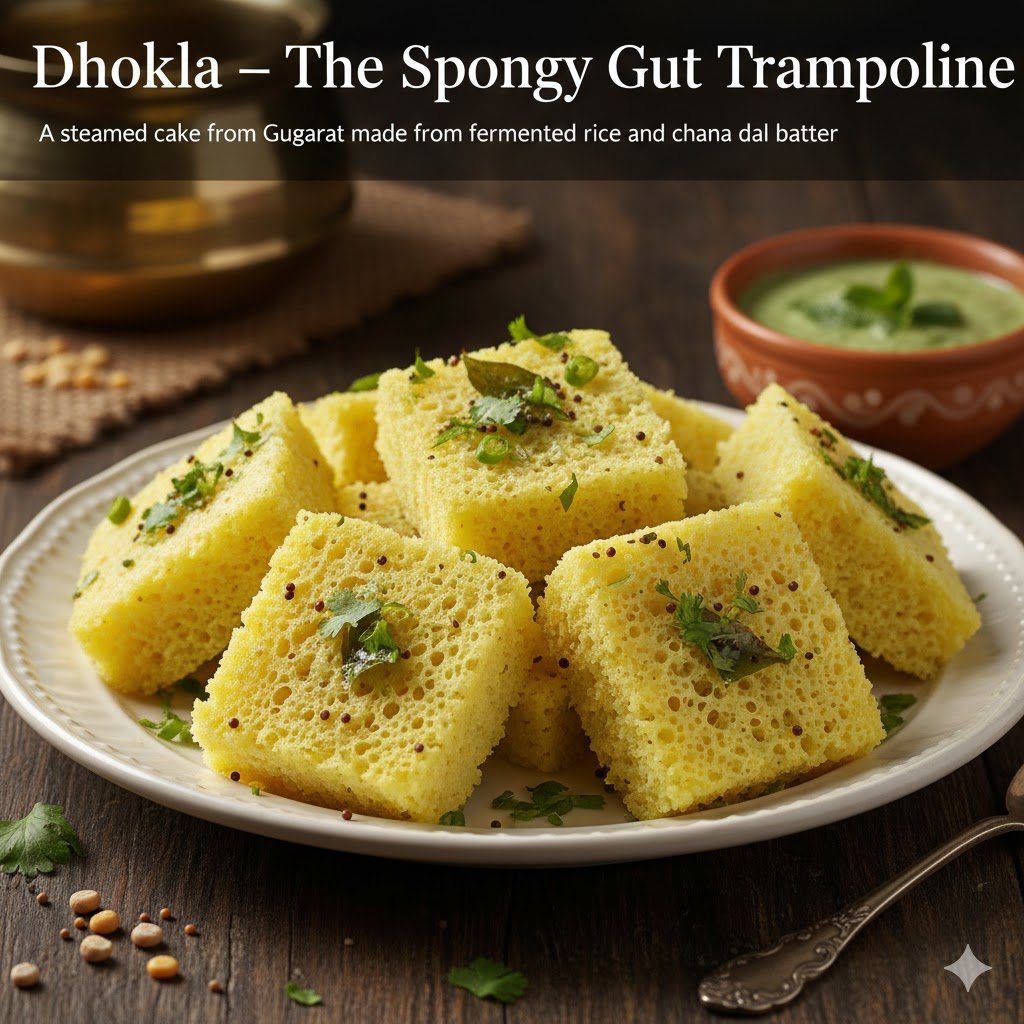
How it’s made:
- Soak rice and lentils overnight
- Grind into smooth batter
- Ferment overnight (critical step!)
- Steam until fluffy and spongy
Why it’s a superfood:
- Increases polyphenol availability: Overnight fermentation boosts antioxidants that directly feed good gut bacteria
- Low calorie, high protein: Excellent snack that fills you up without weighing you down
- Easy to digest: The fermentation pre-breaks down proteins
For example, Dr. Pal shares: “My friend Saravana Kumar’s wife tried dhokla at home. It turned out so hard it could be used to construct the Statue of Unity.” —Dr. Pal Manikam, timestamp approx.
Pro tip: Homemade dhokla should be spongy like a trampoline park where good bacteria can jump and bounce. Store-bought versions often lack proper fermentation.
How to use: 1-2 pieces per day as a mid-morning or evening snack.
#2: Pickles – The Tangy Probiotic Powerhouse
What it is: Vegetables or fruits preserved in brine (salt water) or vinegar through anaerobic fermentation.
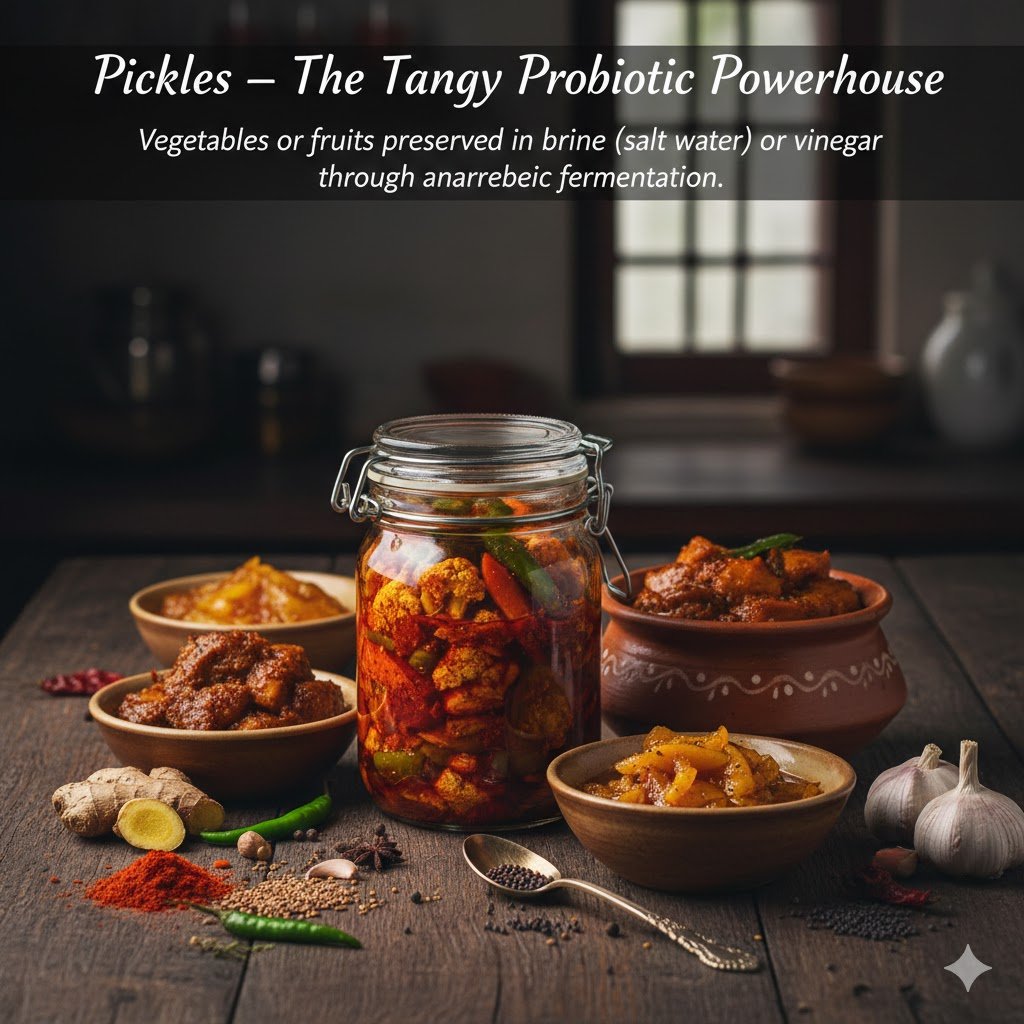
The science:
- Vinegar contains high levels of acetate, a short-chain fatty acid that directly influences gut microbiome
- Brine fermentation creates lactic acid bacteria, powerful probiotics
Why it’s tricky:
- Commercial pickles are loaded with excess salt and oil (damages gut and raises blood pressure)
- Homemade pickles let you control salt, oil, and spices
For example, Dr. Pal’s patient Arokiasamy “scrapes pickle from every nook and corner of the jar using his finger and licks it after one peg of alcohol. He then opens his eyes only after his kidney was put in a jar.” —Dr. Pal Manikam.
Best practices:
- Use small amounts (1-2 teaspoons) with meals
- Choose homemade or low-salt versions
- Avoid if you have high blood pressure
Challenge: Dr. Pal asks viewers: “Have you tried American pickles? How do you compare them with Indian pickles? What’s your favorite?” Let him know in comments!
#3: Kanji – The Winter Gut Warmer
What it is: A fermented drink popular in Punjab, Uttar Pradesh, and Rajasthan, traditionally consumed in winters.

How it’s made:
- Take antioxidant-rich black carrots and beetroot
- Add mustard seeds and black salt
- Pack tightly in a ceramic jar
- Leave in sun for 2-3 days to ferment
Benefits:
- Bacteria survive stomach acid: The hardy probiotics reach your intestines alive
- Rich in antioxidants: Black carrots and beetroot provide powerful anti-inflammatory compounds
- Natural warming effect: Perfect for winter months
For example, Dr. Pal’s US friend Mark Anthony “keeps himself warm by drinking fermented grapes daily (also called wine) and in summer he chills out in my hospital ICU.” —Dr. Pal Manikam.
Pro tip: The ceramic jar and sunlight are traditional methods that create the perfect environment for beneficial bacteria. Don’t skip them!
#4: Enduri Pitha – The Annual Gut Celebration
What it is: A fermented pancake from Odisha, steamed in earthen pots, traditionally made once a year during Prathamastami.
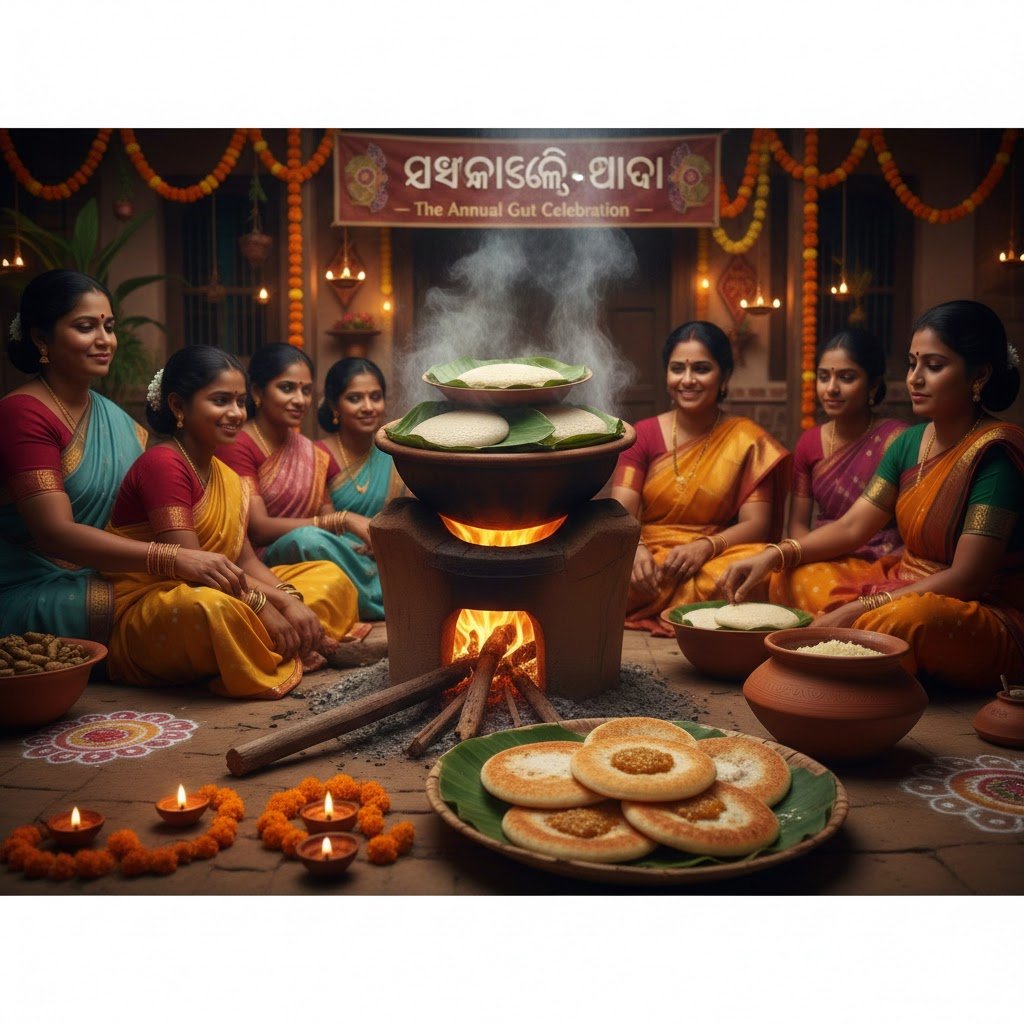
Unique preparation method:
- Batter of ground rice and urad dal ferments overnight
- Steamed in earthen pots with a frame made from twigs
- Placed above water level, allowing gentle steam cooking
Why it’s special:
- Partial protein digestion during fermentation increases antioxidant, vitamin, and mineral availability
- Cultural significance: Ritual celebrates life and prosperity of firstborns
For example, Dr. Pal notes: “Parents of my patient Arokiasamy celebrate his prosperity by giving him laddus and gulab jamun, not Enduri Pitha. But I prosper even though I’m not the firstborn!” —Dr. Pal Manikam.
Where to find it: Check the description link for a step-by-step recipe video.
#5: Hawaijar – The Soya Powerhouse from Manipur
What it is: Fermented soybeans, a specialty of Manipur and Northeast India.
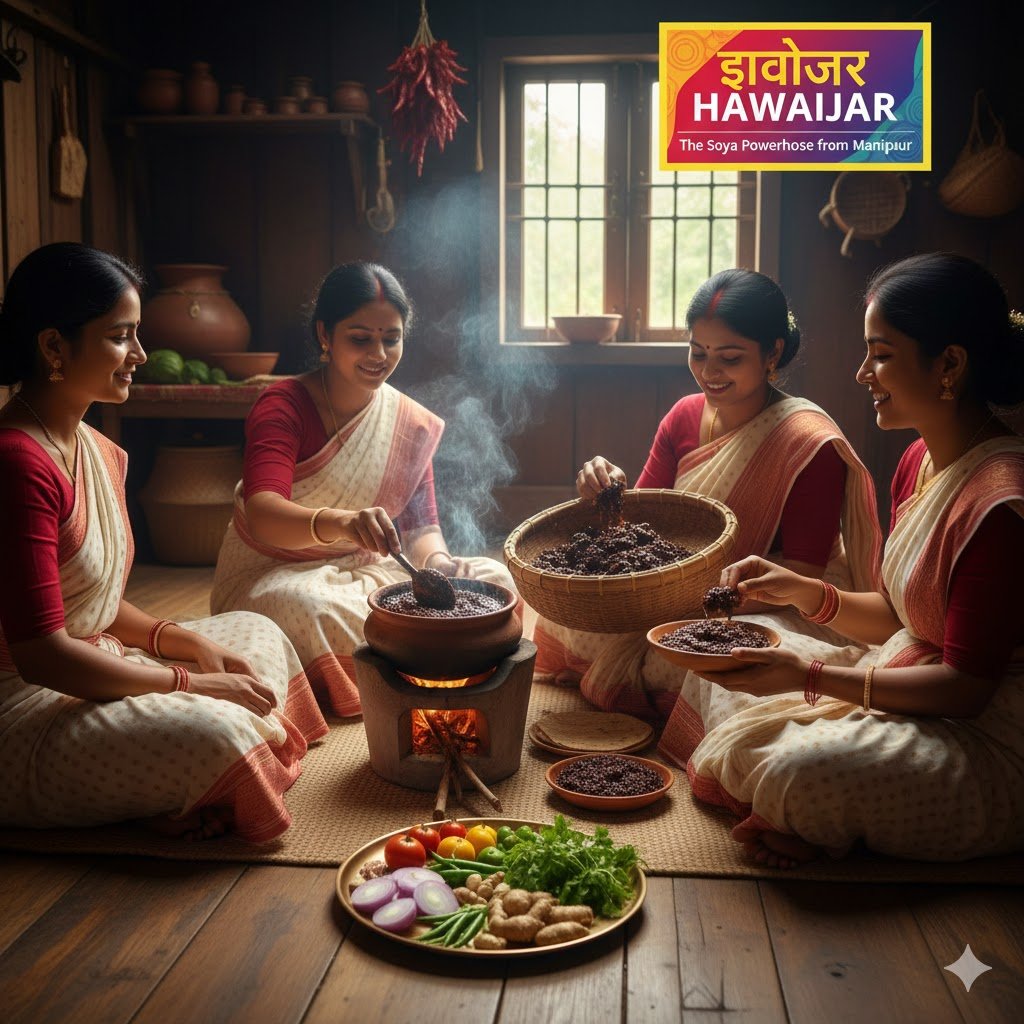
Fermentation process:
- Soak soybeans overnight
- Pressure cook until soft
- Pack tightly in small bamboo basket lined with banana leaves
- Keep in sun for 4-5 days
Why it’s unique:
- Bacillus subtilis bacteria breaks down protein into free amino acids
- Creates rich, high-quality protein that’s easily absorbed
- Explains why Mary Kom (mother of 3, 6-time world champion) has such strength
For example, Dr. Pal jokes that his patient Arokiasamy “having a kid itself is an achievement,” unlike Mary Kom’s superhuman feats. —Dr. Pal Manikam.
Pro tip: This is one of the few plant-based foods that provides complete protein with all essential amino acids after fermentation.
#6: Corisa – The Bamboo Shoot Wonder
What it is: Fermented bamboo shoots, indigenous to Assam and Northeast India.
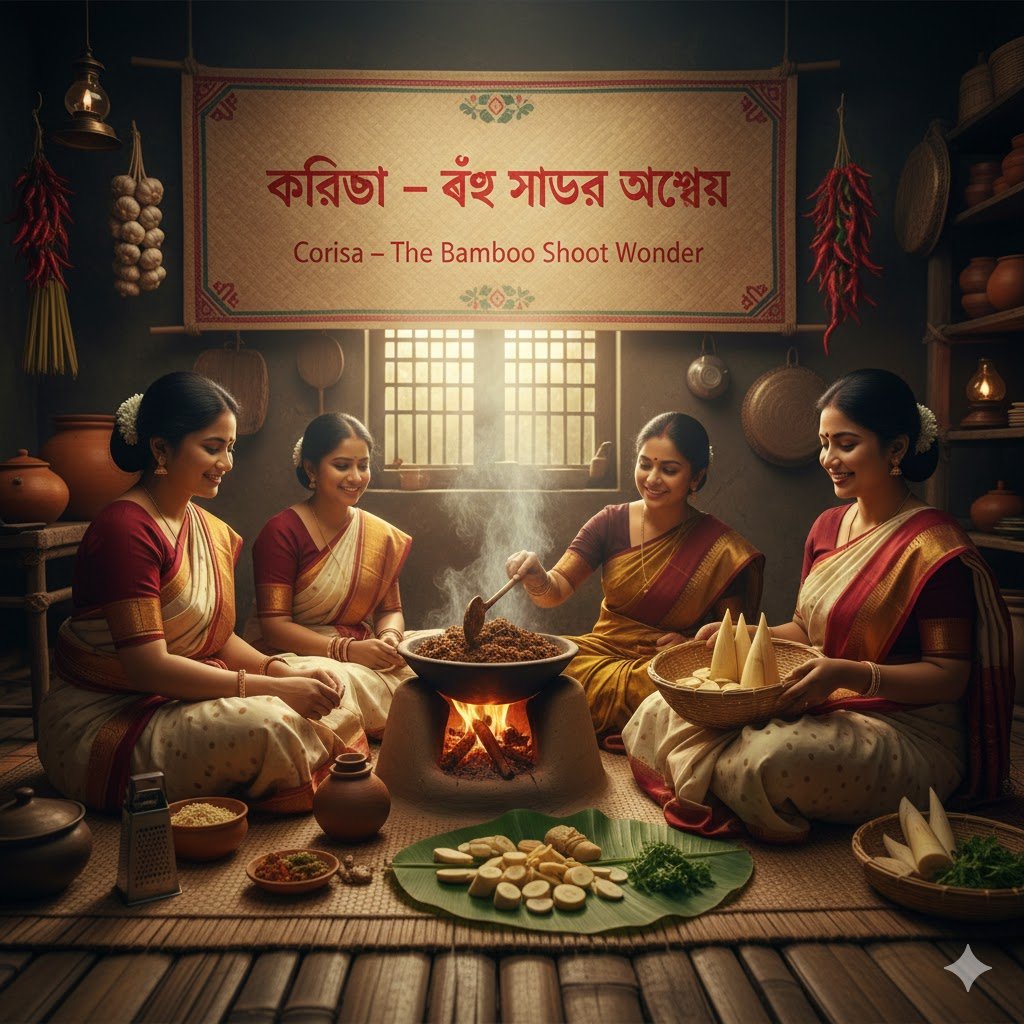
Preparation:
- Use young bamboo shoots (not the ripe ones used for construction)
- Strip outer fibrous layers
- Crush the creamy white core
- Mix with Garcinia pedunculata (a local plant)
- Pack in sterilized jars and ferment for 5-10 days
Benefits:
- Packed with beneficial bacteria that aid digestion
- Unique flavor profile (sour, slightly sweet)
- Traditional microbiome transfer: Uses bacteria from previous batches
For example, Dr. Pal’s friend Saravana Kumar’s “only connection with bamboo is watching videos of a guy building a house with bamboo alone in the forest. I’m sure he’d skip Corisa by pole vaulting with the bamboo stick.” —Dr. Pal Manikam.
Challenge: Have you tried this rare delicacy? Let Dr. Pal know!
#7: Solkadhi – The Konkan Cooler
What it is: A probiotic drink specialty of the Konkan region (Goa to Maharashtra), made from coconut milk and kokum.
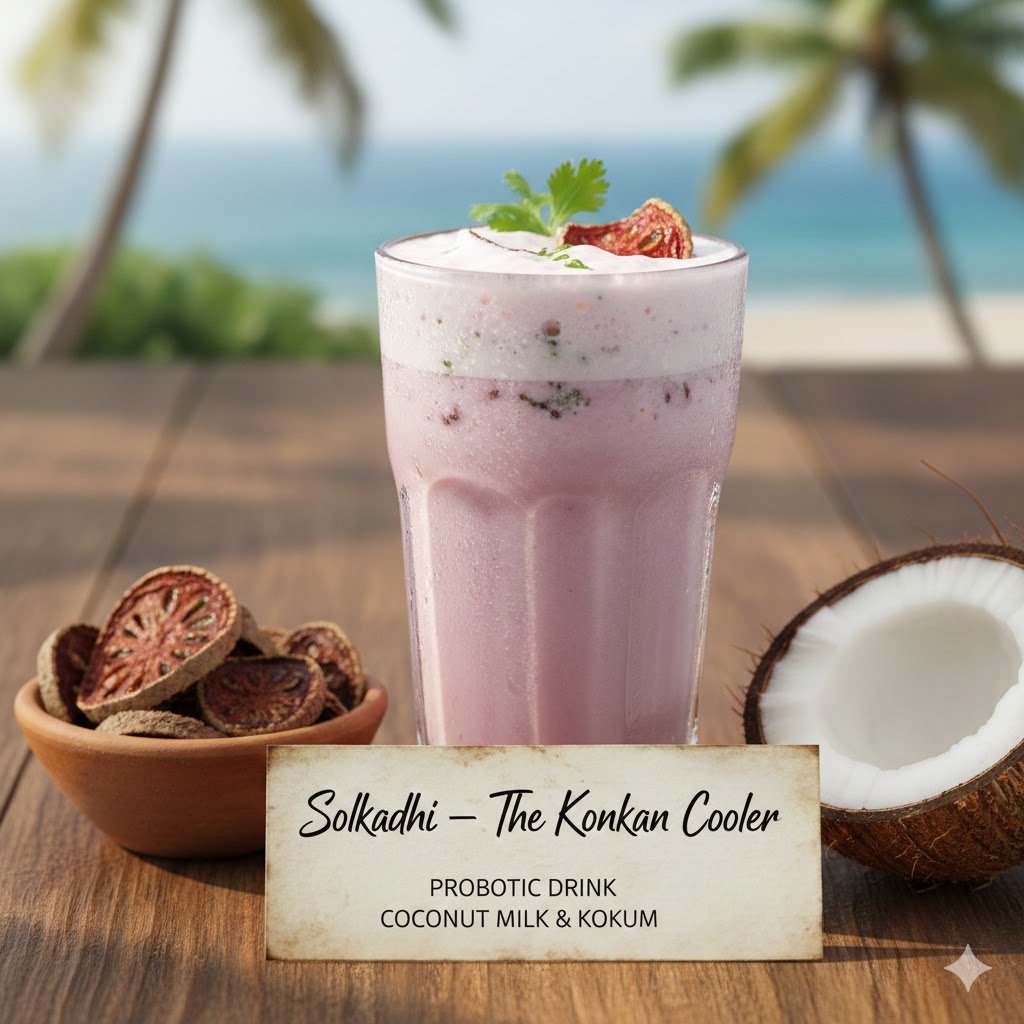
Ingredients:
- Fresh coconut milk (extracted from raw coconut)
- Garcinia indica (kokum)
- Garlic
- Cumin seeds
- Other spices
- Ground together and fermented
Health benefits:
- Probiotic content promotes gut health
- Coconut milk provides healthy fats (but watch calories)
- Cooling properties perfect for hot summer months
For example, Dr. Pal’s loyal subscriber Subhani asks: “What is the alcohol percentage in Solkadhi? Will I not be caught by police when I bring it back home?” —Dr. Pal Manikam.
Funny story: Dr. Pal’s friend Saravana Kumar and his wife Thirupurasundari went to Goa. “She went to try Solkadhi, he went to a bar to try feni. They went as a couple, came back as single!” —Dr. Pal Manikam.
#8: Ambali (Ragi) – The Finger Millet Probiotic
What it is: A traditional South Indian beverage made from finger millet (ragi) flour, consumed during hot summers for its cooling properties.
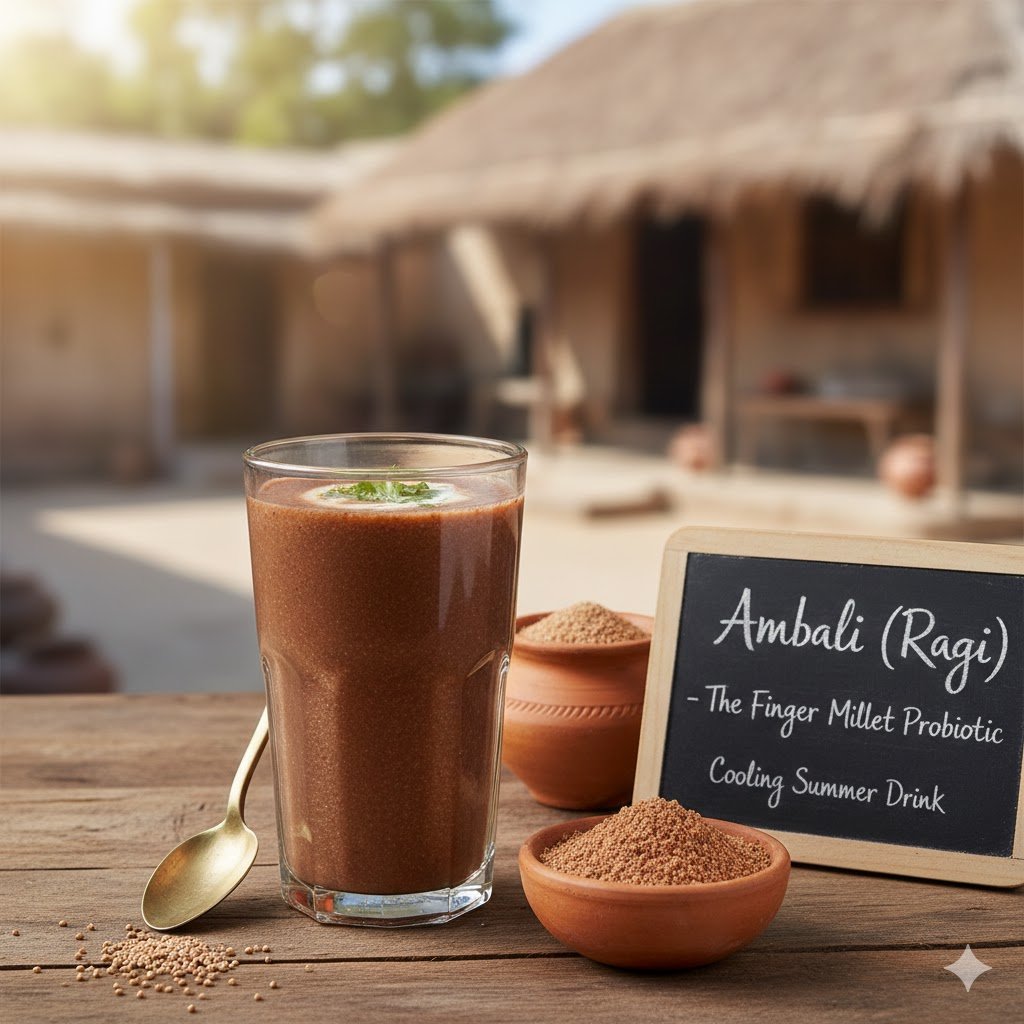
Preparation:
- Mix ragi flour with buttermilk
- Add onion, curry leaves, salt
- Leave overnight to ferment
- Drink as semi-liquid broth
Why it’s powerful:
- Ragi is naturally rich in calcium, iron, and fiber
- Fermentation adds probiotics
- Buttermilk base provides additional beneficial bacteria
For example, Dr. Pal’s friend Saravana Kumar “buys one cup of ragi koozh from the street shop and finishes one whole bag of finger chips as a side dish. The finger chips overpower the finger millet!” —Dr. Pal Manikam.
Debunking myths: Some consider ragi kji “food for the poor.” Dr. Pal counters: “Health is wealth,” and “Ragi kji is not cheap anymore because it’s eaten with onions!” —Dr. Pal Manikam.
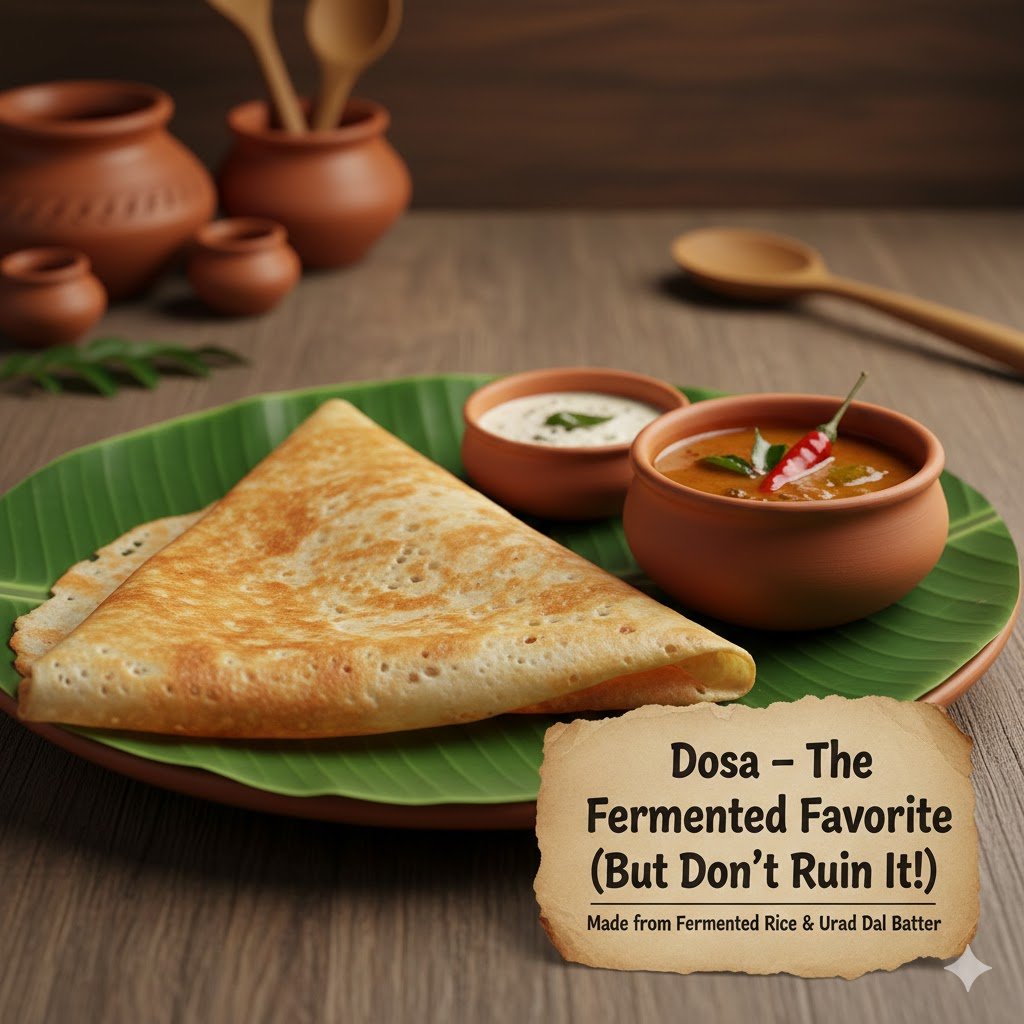
#9: Dosa – The Fermented Favorite (But Don’t Ruin It!)
What it is: The beloved South Indian crepe made from fermented rice and urad dal batter.
Why it’s Dr. Pal’s favorite:
- Rich in microorganisms and probiotics
- Aids digestion naturally
- Wheat dosa from fermented batter is another excellent source
The problem with modern dosas:
- Charcoal dosa, Oreo biscuit dosa, ghee roast loaded with excessive oil
- Ghee roast is made with so much oil that “if placed on Saravana Kumar’s plate in Tamil Nadu, my friend Abhijit from Bengal can eat it.” —Dr. Pal Manikam.
- Too many dosas without vegetables or fiber
Best practices:
- Homemade is best: Control oil and quantity
- Add lots of vegetables to reduce number of dosas
- Increase fiber to balance the meal
- Moderation is key
For example, Dr. Pal’s loyal subscriber Subhani “records a video of live dosa at a marriage ceremony and watches it later as highlights when he’s fasting.” —Dr. Pal Manikam, timestamp approx.
How to Make These Foods Work for You
The Golden Rule: Homemade vs. Store-Bought
| Aspect | Homemade | Store-Bought |
| Salt Control | You decide | Usually excessive |
| Oil Quality | Choose healthy oils | Often poor quality/refined |
| Fermentation Time | Proper overnight fermentation | Rushed or skipped |
| Preservatives | None | Chemical additives |
| Probiotic Content | High, live cultures | Often killed for shelf life |
| Cost | Cheaper long-term | Expensive |
Bottom line: Homemade gives you 100% control. Store-bought gives you 100% risk of additives.
Portion Control & Timing
How much should you eat?
- Dhokla: 1-2 pieces daily
- Pickles: 1-2 teaspoons with meals
- Kanji/Solkadhi/Ambali: 1 glass per day
- Enduri/Hawaijar/Corisa: 2-3 times per week
- Dosa: 1-2 dosas with lots of vegetables
Best timing:
- Morning: Fermented drinks (kanji, ambali) on empty stomach
- Meals: Pickles, dhokla, dosa as part of balanced meal
- Evening: Solkadhi as cooling drink
For example, Dr. Pal always tells patients: “Add lots of vegetables, add lots of fibers along with dosa so that you can decrease the number of dosas and increase the number of vegetables.” —Dr. Pal Manikam.
Frequently Asked Questions (FAQ)
Q1: Can I eat these fermented foods every day?
A: Yes, but variety and moderation are key. Rotate between 2-3 different fermented foods daily rather than eating the same one. For example, have dhokla as a snack one day, a glass of kanji the next, and solkadhi the day after. This gives your gut diverse bacterial strains. Just watch portions—especially calorie-dense foods like solkadhi (coconut milk) and dosa (if made with lots of oil).
Q2: What if I have high blood pressure or diabetes?
A: Be extra careful with pickles due to high salt content. Choose steamed options like dhokla and idli over fried dosas. Ambali (ragi) is excellent for diabetes due to its low glycemic index. Kanji and solkadhi are good options too. Always monitor your blood sugar after trying new foods and consult your doctor.
Q3: How do I know if my homemade fermentation worked?
A: Look for these signs:
- Batter should rise and become fluffy (for dhokla, dosa)
- Should have a pleasant sour smell (not rotten)
- Taste should be tangy, not bitter
- For drinks like kanji, you’ll see bubbles forming If it smells bad or has mold (other than white Kahm yeast, which is harmless), discard it.
Q4: Can children eat these fermented foods?
A: Absolutely! In fact, it’s traditional. Dr. Pal mentions Enduri Pitha is made to celebrate a child’s prosperity. Fermented foods help build a strong microbiome early. Start with small amounts—1 piece of dhokla or 2-3 spoonfuls of ambali. Avoid very spicy pickles for young kids.
Q5: I tried store-bought fermented foods and felt bloated. Why?
A: Two reasons: First, commercial products often lack live cultures (killed for shelf life). Second, they contain excess salt, oil, and preservatives that irritate your gut. Switch to homemade for 2 weeks and see the difference. Your gut recognizes real food.
Conclusion: Your Gut Is Your Second Brain—Feed It Right
The balance of good gut bacteria over bad gut bacteria is absolutely critical for your long-term health. These nine fermented foods aren’t just cultural traditions—they’re scientifically proven tools to heal your digestion, boost immunity, and prevent chronic disease.
But here’s the catch: They only work if you make them right. Overnight fermentation. Homemade preparation. Moderation in oil and salt. Add lots of vegetables. Skip the trendy “Oreo dosa” and stick to the basics.
Which fermented food will you try first? Maybe start with the simplest—overnight ragi ambali. Or challenge yourself with Hawaijar from Manipur. Let Dr. Pal know in the comments, and check those recipe links in the description.
Remember: One belly at a time, one meal at a time, one fermented spoonful at a time. Your gut will thank you.