Get rid of chronic acid reflux, bloating, and gas naturally. Discover proven remedies that work for lasting digestive relief.
Person experiencing chronic acid reflux relief after implementing natural remedies and lifestyle changes. Chronic acid reflux can make every meal feel like a gamble. That burning sensation creeping up your chest, the sour burps that won’t quit, and the bloating that makes you want to unbutton your pants – sound familiar?
Here’s the truth: popping antacids like candy only masks the problem.
In this guide, health coach Shivangi Desai from Fit Bharat reveals why your stomach is rebelling and shows you exactly how to fix it naturally, without relying on temporary suppressants that come with nasty side effects.
What Really Causes Chronic Acid Reflux? (It’s Not What You Think)
Before we dive into solutions, let’s understand what’s actually happening inside your body when acid reflux strikes.
The Doorkeeper Muscle That’s Failing You
Your digestive system has a built-in security guard called the Lower Esophageal Sphincter (LES) – a ring of muscle at the bottom of your food pipe (esophagus). Think of it as a one-way door that opens to let food into your stomach, then slams shut to keep everything inside.
“Your stomach needs acid to digest food and kill bacteria,” explains Shivangi Desai. “The real problem starts when your body produces more acid than your stomach can handle.” —Creator Name, timestamp approx.
When you overload your stomach with too much acid, it tries to escape upward. If your LES muscle is weak or too relaxed, it can’t stop the acid from traveling back up your esophagus. This backflow creates that familiar burning feeling called heartburn.
When Occasional Becomes Chronic
Occasional acid reflux is uncomfortable, but when it happens repeatedly, it graduates to Gastroesophageal Reflux Disease (GERD). The constant acid splash damages your esophagus and creates a cascade of miserable symptoms.
Common symptoms of chronic acid reflux include:
- Burning sensation in chest (heartburn)
- Sour or bitter burps
- Bloating after meals
- Bad breath
- Loss of appetite
- Irritability and mood swings
The root cause? Excess acid production combined with a weak LES muscle. Now let’s talk about how to fix both issues naturally.
The 9 Dietary Habits That Heal Your Stomach
What you eat matters, but how you eat matters even more. These nine food-focused changes target excess acid production while strengthening your LES muscle.

1. Chew Your Food Until It Disappears
Most people swallow their food after barely chewing. Those huge chunks land in your stomach demanding extra acid and enzymes for breakdown.
Shivangi warns: “When you eat in a hurry, your sympathetic nervous system activates. Your body becomes stressed, focuses on everything except digesting your food, and the food remains undigested.” —Creator Name, timestamp approx.
For example, imagine eating a piece of roti in just three bites. Your stomach has to work overtime to break down those massive chunks, pumping out extra acid in the process. Now picture chewing that same roti 15-20 times until it becomes almost liquid. Your stomach can easily handle this pre-digested food with minimal acid.
Action step: Start by doubling your current chewing count. If you chew 3-4 times now, aim for 6-8. Gradually increase until each bite becomes liquid before swallowing. Many people notice significant acid reflux relief within just one day of implementing this habit.
2. Time Your Meals Like Clockwork
Skipping meals and then binge-eating creates acid chaos. Your stomach produces acid on a schedule, and long gaps between meals mean excess acid with no food to work on.
The ideal gap between meals is 3-4 hours. Here’s what a good schedule looks like:
Table
Copy
| Meal Time | Food Intake | Notes |
| 8:00 AM | Breakfast | Kickstarts digestion |
| 12:00 PM | Lunch | 4-hour gap from breakfast |
| 4:00 PM | Light snack | Optional, if hungry |
| 7:00 PM | Dinner | Final meal of the day |
For example, many people drink tea at 4:00 PM instead of eating real food, then have a heavy dinner at 9:00 PM. This double mistake – long gap plus late heavy meal – floods your system with unused acid.
3. Finish Dinner Early (Your Sleep Depends on It)
Hitting the sack with a full stomach is like inviting acid to a pool party in your esophagus. Gravity works against you when you lie down, making it easy for acid to travel upward.
Shivangi recommends completing dinner 3-4 hours before bedtime. If you sleep at 10:00 PM, finish eating by 6:00 PM or 7:00 PM.
Don’t panic if this seems impossible. She advises: “Start gradually – move dinner 30 minutes earlier than usual. If you currently eat at 11:00 PM, start with 10:30 PM. This gives your body time to digest before sleep.” —Creator Name, timestamp approx.
Bonus tip: Wait at least 2 hours after eating before lying down. Sit upright or take a gentle walk to help food move through your system.
4. Ditch the Morning Tea/Coffee Trap
That morning cup of tea might feel comforting, but it’s actually an acid bomb. Drinking tea or coffee on an empty stomach pumps caffeine straight into your system, which dramatically increases acid production.
Better morning routine:
- Start with plain water or an alkaline drink
- Eat a proper breakfast first
- Then enjoy your tea or coffee if you must
Black tea, black coffee, or regular chai – all types contain caffeine that worsens acid reflux. This simple swap alone can reduce your symptoms by 50%.
5. Embrace Alkaline Foods Daily
Nature has already provided the perfect antacid: alkaline foods. These naturally balance your stomach’s pH and reduce acid production without any side effects.
Daily alkaline food targets:
- Fruits: At least one serving daily. Best choices: banana, chikku (sapodilla), papaya, watermelon, and muskmelon. Avoid citrus if it triggers you.
- Raw vegetables: Eat salads or raw veggies at least twice daily
- Green leafy vegetables: Include spinach (palak), fenugreek (methi), coriander leaves, and mint leaves every day
For example, adding a bowl of papaya after lunch or starting dinner with a spinach-coriander salad creates an alkaline environment that automatically reduces acidity.
6. Say Goodbye to Spicy, Fried Foods
This one hurts, but it’s necessary. Spicy curries, fried snacks, and oily foods directly trigger excess acid production. The more masala and oil, the more acid your stomach creates to break it down.
Quick swap guide:
- Instead of: Spicy pakoras → Choose: Steamed veggies with light seasoning
- Instead of: Fried samosas → Choose: Baked sweet potato
- Instead of: Oily parathas → Choose: Plain roti with ghee (in moderation)
7. Practice Portion Control
Overeating stretches your stomach and weakens the LES muscle. When you stuff yourself, the pressure forces acid upward through the weakened doorway.
For example, imagine filling a balloon with too much air – eventually, it pushes back. Your stomach works the same way. Eat moderate portions that satisfy you without making you feel stuffed.
8. Quit the Triple Threat: Smoking, Alcohol, and Carbonation
Nicotine from smoking and similar compounds in alcohol directly weaken your LES muscle. Carbonated drinks add gas pressure that pushes acid upward.
Think of it this way: If your LES muscle is a tired security guard, smoking and alcohol are like distractions that make him even less effective at keeping acid where it belongs.
9. Hydrate Smart, Not Hard
While not explicitly mentioned in the transcript, proper hydration supports all digestive functions. Sip water between meals rather than gulping large amounts during meals, which can dilute digestive enzymes.
The 6 Lifestyle Shifts That Seal the Deal
Diet alone won’t cure chronic acid reflux. These lifestyle modifications strengthen your LES muscle and create an environment where digestion thrives.

1. Master Your Posture (Especially After Meals)
Slouching or lying down after eating uses gravity against you. When you hunch forward or immediately recline, you create a straight path for acid to travel up your esophagus.
For example, many people have a habit of watching TV lying down right after dinner. This is the worst possible position! Instead, sit upright for at least 2 hours after eating. Better yet, take a gentle 15-minute walk to aid digestion.
2. Wear Comfortable, Loose Clothing
That tight belt or skinny jeans might look great, but it’s squeezing your stomach like a tube of toothpaste. Tight clothing puts direct pressure on your abdomen, forcing acid upward.
Comfortable clothing checklist:
- ✓ Loose, breathable fabrics
- ✓ Avoid tight belts around waist
- ✓ Opt for mid-rise pants instead of high-rise
- ✓ Choose dresses or kurtas that don’t cinch at the waist
3. Keep Your Body Moving
A sedentary lifestyle is acid reflux’s best friend. Movement stimulates digestion and helps your body use the acid it produces efficiently.
Best exercises for acid reflux sufferers:
- Walking (best and safest option)
- Yoga (poses that don’t invert your body)
- Pranayama (breathing exercises)
- Low to medium intensity workouts
You don’t need intense gym sessions. Even a 30-minute daily walk makes a huge difference.
For example, take a 10-minute walk after each major meal. This simple habit improves digestion significantly and prevents acid buildup.
4. Tame Your Stress and Anger
Here’s a mind-blowing fact: Your emotions directly control your stomach acid. When you’re stressed or angry, your body activates the sympathetic nervous system, which disrupts digestion and triggers excess acid production.
“When you’re in stress and anger, you’re in the sympathetic system, which severely disrupts digestion and causes excess acid and hormone release that’s very damaging,” Shivangi explains. —Creator Name, timestamp approx.
Quick stress-busters:
- Deep breathing before meals
- Short meditation sessions
- Listening to calming music while eating
- Eating away from your workstation
For example, try taking three deep breaths before starting your lunch. This switches your body from “stressed mode” to “digestion mode.”
5. Prioritize Sleep (Your Stomach Repairs at Night)
Poor sleep is a silent acid reflux trigger. When you don’t get enough rest, your body produces more acid and your digestive system suffers.
Sleep targets:
- 7-8 hours of quality sleep every night
- Maintain consistent sleep and wake times
- Create a cool, dark sleeping environment
Lack of sleep not only increases acid production but also damages the entire digestive process, making you irritable and prone to poor food choices the next day.
6. Manage Your Weight (Especially Belly Fat)
Excess weight, particularly belly fat, puts direct pressure on your stomach and LES muscle. This pressure pushes the muscle upward and weakens its ability to keep acid contained.
The harsh truth: If you’re overweight by 20 kg or more, you’ll likely struggle with chronic acid reflux until you reach a healthier weight.
The fat around your organs (visceral fat) is especially problematic. It pushes against your abdomen, creating a condition called hiatus hernia where the stomach pushes up through the diaphragm. This is common in pregnant women during their third trimester for the same reason.
For example, losing just 5-10% of your body weight can dramatically reduce acid reflux symptoms by relieving pressure on your LES muscle.
Bonus: Sleep on Your Left Side (Not Right!)
This simple trick can be a game-changer. Your esophagus enters the stomach on the right side. When you sleep on your right side, gravity pulls acid over the entire entrance area, increasing reflux risk.
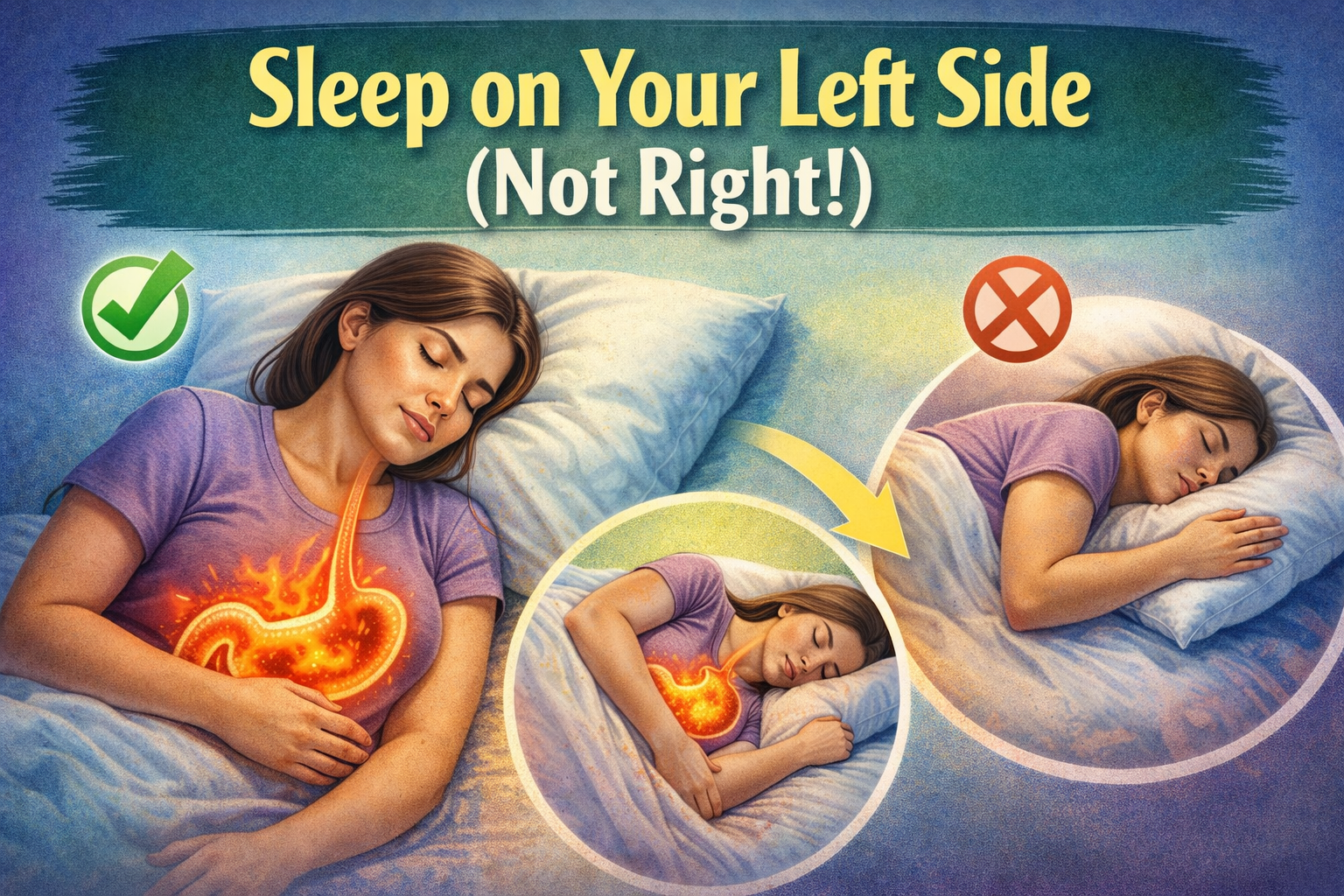
Sleep position ranking for acid reflux:
- Left side (Best – keeps acid away from entrance)
- Back (Good – elevation helps)
- Right side (Worst – acid covers LES entrance)
“Your esophagus enters your stomach on the right side. When you sleep on your right side, the acid covers the entire area, increasing acid reflux possibility. I always recommend sleeping on your left side instead.” —Creator Name, timestamp approx.
Your Step-by-Step Action Plan (Start Today!)
Don’t try to change everything overnight. That’s overwhelming and unsustainable. Shivangi emphasizes: “You can’t implement all these changes at once. Pick one thing, improve it gradually, then move to the next habit.” —Creator Name, timestamp approx.
Week 1-2: Master the Basics
- Chew your food 15-20 times per bite
- Walk 10 minutes after lunch and dinner
- Finish dinner 2 hours before bed (gradually increase to 3-4 hours)
Week 3-4: Build Consistency
- Space meals 3-4 hours apart
- Add one alkaline food daily (banana, papaya, or salad)
- Sleep on your left side
Week 5-6: Fine-Tune
- Replace morning tea with water first
- Practice deep breathing before meals
- Identify and avoid your personal trigger foods
Month 2+: Advanced Optimization
- Increase exercise to 30 minutes daily
- Address weight management if needed
- Review and adjust clothing choices
For example, start by simply counting your chews during your next meal. Don’t worry about anything else. Master that one habit for a week, then add the next. This gradual approach ensures lasting change.
Frequently Asked Questions [FAQ]: Chronic Acid Reflux
Q.1. How long does it take to see results from these natural remedies?
Most people notice improvement within 3-7 days of implementing the chewing and meal timing changes. However, healing a weakened LES muscle and establishing new habits takes 4-8 weeks. Consistency is key – stick with the changes even if you don’t see overnight miracles.
Q.2. Can I ever drink coffee again if I have chronic acid reflux?
You don’t have to give it up forever, but timing matters. After 2-3 months of healing, try reintroducing coffee after breakfast, not before. Start with small amounts and monitor your symptoms. Some people can tolerate one cup later in the day, while others need to avoid it long-term.
Q.3. Are antacids really bad for me?
Occasional use isn’t harmful, but daily reliance creates problems. Antacids only suppress symptoms without addressing the root cause. Long-term use can lead to nutrient deficiencies, increased infection risk, and rebound acid overproduction when you try to stop.
Q.4. Which is worse for acid reflux: spicy food or fried food?
Both are problematic, but fried foods may be slightly worse because the high fat content stays in your stomach longer, requiring more acid over an extended period. Spicy foods trigger immediate acid release but clear faster. For best results, eliminate both during your healing phase.
Q.5. Can stress alone cause chronic acid reflux?
Yes, absolutely. Stress activates your sympathetic nervous system, shutting down proper digestion and signaling your body to produce excess acid. Many people develop acid reflux during high-stress periods even with perfect diets. Managing stress is as important as managing food.
Bringing It All Together: Your Journey to a Reflux-Free Life
Chronic acid reflux isn’t a life sentence, and you don’t need to depend on pills forever. The solution lies in respecting your body’s natural design – chewing thoroughly, eating on schedule, choosing alkaline foods, moving daily, managing stress, and sleeping well.
Start with one change today. Maybe it’s chewing your dinner 20 times per bite, or taking a 10-minute walk after lunch. Master that habit, then add another. Your digestive system is incredibly resilient and starts healing the moment you stop bombarding it with excess acid and pressure.
What’s the first habit you’re going to change? Share your experience in the comments below – your story might inspire someone else to start their healing journey!