Have you noticed that foods that once gave you energy now leave you feeling drained? Maybe your blood sugar is creeping up, your legs feel heavier, or your mind isn’t as sharp as it used to be. You’re not alone—and you’re not imagining it.
After age 60, something shifts in how our bodies process food. The truth is, many seniors are still eating foods that quietly spike inflammation and blood sugar without even realizing it. That’s why more and more people in their 60s, 70s, and beyond are turning to low-carb, no-sugar foods—not for dieting, but for survival. To stay mobile. To think clearly. To stay out of the hospital.
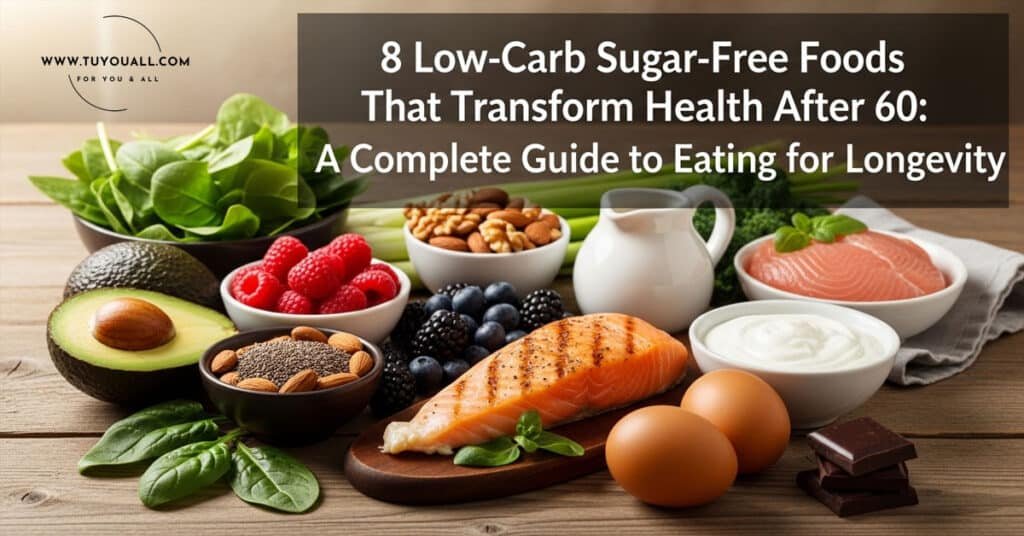
What if the foods you’ve been avoiding are actually the ones your body needs most right now? In this guide, we’ll uncover eight powerful foods that contain virtually no carbs and no sugar but are packed with nutrients your aging body actually craves. And here’s the kicker: number three on this list has been quietly helping seniors avoid blood pressure medications, yet hardly anyone talks about it.
Let’s dive in.
1. Leafy Greens: Your Daily Dose of Cellular Protection
Let’s start with one of the simplest yet most powerful changes you can make. Spinach, kale, and Swiss chard aren’t just salad fillers—they’re nutritional powerhouses that deliver massive health benefits with virtually zero carbs and zero sugar.
The Science Behind the Greens:
One cup of raw spinach contains just one gram of carbs (mostly fiber) and almost no sugar. Yet it’s loaded with:
- Vitamin A – for immune function
- Vitamin C – for cell repair and collagen production
- Vitamin K – essential for bone strength and blood clotting
These nutrients help your body recover, protect your arteries, and even slow aging at the cellular level.
Real-World Impact:
Margaret, 68, didn’t believe any of this at first. She felt bloated, sluggish, and chalked it up to “just getting older.” But after her doctor recommended cutting processed carbs and adding leafy greens, she made one simple swap: her usual ham sandwich became a spinach salad with olive oil and a boiled egg.
Within two weeks, she felt lighter. Her thinking became clearer. Even her joint pain eased.
“I didn’t change much—just what I put on the plate.” —Margaret
How to Start:
- Begin lunch or dinner with a cup of raw spinach
- Gently sauté kale in olive oil for 5 minutes as a side dish
- Blend spinach into smoothies (you won’t taste it, but your body will thank you)
This one change can help keep your blood sugar stable and your energy consistent all day long.
2. Non-Starchy Vegetables: Nature’s Blood Sugar Regulators
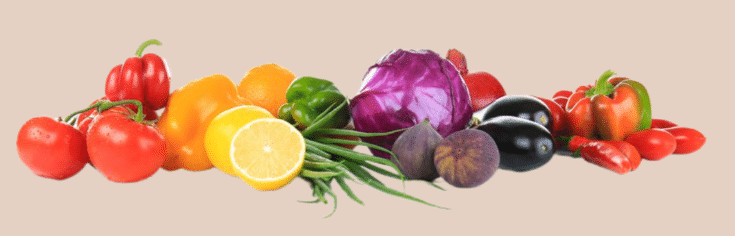
Next up: two humble vegetables that can quietly transform how your body feels after every meal. Broccoli and cauliflower aren’t flashy, and they don’t come with “superfood” labels—but what they do inside your body is where the magic happens.
Why They Matter After 60:
Both are non-starchy vegetables, meaning they’re naturally low in carbs and contain no sugar. But here’s the kicker: they’re loaded with fiber—the kind that slows digestion and helps prevent blood sugar spikes.
As we age, insulin sensitivity drops, making blood sugar harder to manage. These vegetables slow things down. They help your body release sugar more gently and keep you full without raising glucose levels.
A Success Story:
Harold, 72, used to dread mornings. Stiff joints. No energy. He thought it was just aging. Then his wife started roasting broccoli and cauliflower with olive oil and sea salt three nights a week.
Within a month, he noticed something strange: he could get out of bed faster. His knees didn’t ache as much. Even his blood pressure came down a few points during his checkup.
And the best part? He didn’t feel like he was dieting—just eating real food.
Getting Started:
- Aim for one cup of roasted or steamed broccoli or cauliflower daily
- Toss with garlic, olive oil, or lemon
- Keep it simple, but make it consistent
3. Fatty Fish: The Brain and Heart Protector (The Secret Weapon)
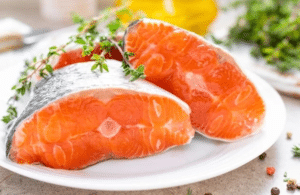
Now let’s move from the garden to the sea. When it comes to protecting your brain, your heart, and your independence, fatty fish might be your body’s best ally—and yes, this is number three, the one helping seniors avoid blood pressure medications.
The Omega-3 Advantage:
Salmon, mackerel, and sardines all share something powerful: zero carbs and a whole lot of omega-3 fatty acids. These aren’t just healthy fats—they’re anti-inflammatory powerhouses that help calm the low-level inflammation that builds up in aging bodies.
This inflammation damages blood vessels, stiffens joints, and even accelerates memory loss.
What the Research Says:
A major study from Harvard found that seniors with higher omega-3 intake had:
- Sharper thinking and cognitive function
- Better heart function
- Lower risk of cognitive decline
Real Results:
Helen, 73, started eating salmon twice a week after feeling increasingly forgetful. Nothing fancy—just a fillet baked with lemon and dill.
Within two months, she noticed a difference: fewer “senior moments,” more clarity, and (maybe it’s coincidence, but) her mood became much more stable.
“It’s not magic—it’s nutrition working with your body, not against it.”
Practical Tips:
- Make fatty fish a regular guest on your plate (aim for 2-3 servings per week)
- Even canned wild salmon works wonders
- Add a drizzle of olive oil and a squeeze of lemon for extra flavor and benefits
4. Eggs: The Misunderstood Perfect Food

Let’s shift to something probably already in your kitchen: eggs. They’ve been misunderstood for years—feared for cholesterol, skipped for cereal—but here’s the truth: for older adults trying to control blood sugar and stay sharp, eggs might be one of the best foods you can eat.
Nutritional Breakdown:
One large egg has:
- Less than one gram of carbs
- Zero sugar
- High-quality protein
- Choline – essential for memory and brain cell function
- Lutein – protects eyes from age-related vision loss like macular degeneration
A Morning Transformation:
Claire, 63, used to skip breakfast or grab toast on the run. By 10 a.m., her energy crashed. Foggy thinking. Shaky hands. She assumed it was just low blood sugar.
Her doctor suggested something simple: two boiled eggs and half an avocado in the morning. No sugar. No crash.
Now she feels sharper by mid-morning, more balanced, more steady. And the best part? It costs less than a coffee shop muffin.
How to Enjoy Them:
- Scrambled, poached, boiled—however you like them
- Pair with healthy fats (avocado) or greens for a complete meal
- Affordable, digestible, and incredibly nourishing
5. Nuts and Seeds: The Afternoon Energy Saviors
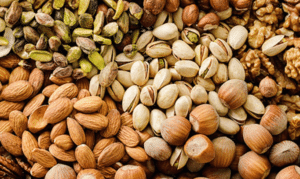
Let’s talk about snacks because for many people over 60, that’s when blood sugar crashes sneak in. You eat a good breakfast, but by 3 p.m., you’re foggy, tired, maybe even shaky.
What do most people reach for? Cookies, crackers, maybe a granola bar. But here’s the truth: those quick fixes are often loaded with hidden sugar and refined carbs. They spike your blood sugar, then send it crashing down again.
The Better Alternative:
Almonds, walnuts, pumpkin seeds, and chia seeds are low in carbs and sugar but high in:
- Protein for muscle maintenance
- Healthy fats for brain health
- Magnesium for nerve function and reduced leg cramps
Tony’s Story:
Tony, 70, retired, used to grab two oatmeal cookies every afternoon. He thought he needed the sugar to keep going, but his energy tanked by dinner.
When he switched to a small handful of almonds and a cup of chia pudding instead: no crash, no cravings, and fewer leg cramps at night thanks to the magnesium boost.
Smart Snacking Tips:
- Keep a small bag of unsalted almonds in your car or purse
- Soak chia seeds in almond milk overnight for a simple, blood-sugar-friendly dessert
- Nuts also support bone density and help reduce silent inflammation—a major cause of fatigue in older adults
6. Avocados: The Creamy Heart Protector
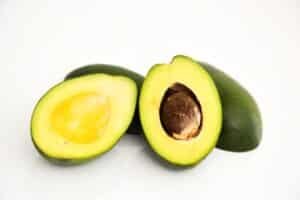
Let’s talk about a food that’s been misunderstood for years: avocados. Many seniors still avoid them, thinking “fat is bad.” But that idea is outdated—and it might be holding you back from better health.
Why Avocados Work:
Avocados are rich in monounsaturated fats—the kind that:
- Protect your heart
- Improve insulin sensitivity
- Help regulate blood sugar
Surprise fact: Avocados contain virtually no sugar, and their net carbs are incredibly low thanks to all the fiber. They digest slowly, keep you full longer, and don’t spike your blood sugar.
Joanne’s Journey:
Joanne, 66, avoided avocados for most of her life. She thought they were too fattening. But her nutritionist explained the science and encouraged her to try adding just half an avocado to her lunch salad.
Within a few weeks, she noticed the difference: she felt satisfied longer, her snacking dropped, and on her next checkup, her LDL cholesterol was lower while her HDL (the good kind) had gone up.
No drugs. No crash diets. Just the right kind of fat.
Easy Ways to Add Avocado:
- Slice onto eggs, salads, or grilled veggies
- Mash with lime, garlic, and a pinch of salt for a creamy spread
- Supports your brain, your heart, and your blood sugar simultaneously
7. Olive Oil: The Liquid Gold for Longevity

Now let’s talk about something so simple it’s often overlooked: olive oil. Not a food you chew, but a food that heals. It’s sugar-free, carb-free, and packed with compounds that help fight inflammation, protect your heart, and even support memory as you age.
The Science of Olive Oil:
The magic lies in its healthy fats—monounsaturated fats and antioxidants like oleocanthal, which acts like nature’s ibuprofen.
Studies in the Journal of the American College of Cardiology show that regular olive oil intake is linked to:
- Lower risk of stroke
- Reduced cognitive decline
- Better cardiovascular health
The Mediterranean Secret:
In Mediterranean countries, olive oil is part of everyday life. You’ll find seniors in their 80s and 90s walking to the market, gardening, laughing with family—and they often credit olive oil as one of their keys to long life.
Eleanor’s Experience:
Eleanor, 71, started using olive oil instead of margarine or butter. She drizzled it over steamed broccoli, added it to her salads, and even used a teaspoon in her morning eggs.
Within a few weeks, she felt lighter and less swollen. Her doctor noticed her blood pressure was a few points lower.
Small changes. Real results.
8. Cheese: The Controversial Bone Builder
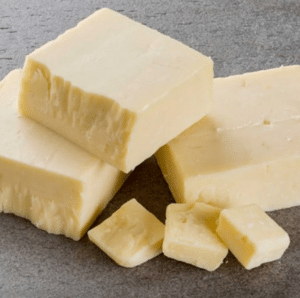
Finally, let’s talk about something that’s been debated for years: cheese. Some call it unhealthy—too fatty, too salty. But the truth? For older adults, especially those cutting back on sugar and carbs, cheese might be one of the smartest foods to keep in your fridge.
The Case for Cheese:
Most cheeses contain:
- Virtually no sugar
- Low carbs
- High protein
- Rich calcium (essential for keeping bones strong and preventing fractures)
The fat actually helps you feel full, so you’re less likely to reach for processed snacks.
Helen’s Smart Swap:
Helen, 74, used to snack on crackers, cookies—whatever was easy. But her weight started creeping up, and her blood sugar got harder to manage.
Then she made one small change: she replaced her afternoon snacks with a few slices of cheddar and cucumber. Just that.
Within a few weeks, her cravings dropped. She didn’t feel deprived. And her doctor noticed she wasn’t gaining weight anymore.
No pills. No guilt. Just smarter snacking.
How to Do It Right:
- Start with hard cheeses like Parmesan, Swiss, or aged cheddar
- Stick to 1-2 ounces per serving
- Pair with sliced veggies or olives
- If you’re lactose sensitive, aged cheeses are usually easier to digest
Quick Reference: Your Low-Carb Shopping List
| Food Category | Best Options | Key Benefits | Serving Suggestion |
| Leafy Greens | Spinach, kale, Swiss chard | Vitamin K, cellular repair | Raw in salads or sautéed |
| Non-Starchy Veggies | Broccoli, cauliflower | Fiber, blood sugar control | Roasted with olive oil |
| Fatty Fish | Salmon, mackerel, sardines | Omega-3s, brain protection | 2-3x weekly, baked |
| Eggs | Pastured or omega-3 enriched | Choline, lutein, protein | Breakfast with avocado |
| Nuts & Seeds | Almonds, chia, walnuts | Magnesium, stable energy | Small handful daily |
| Avocados | Hass or Florida varieties | Heart health, satiety | Half daily with meals |
| Olive Oil | Extra virgin, cold-pressed | Anti-inflammatory | Drizzle on everything |
| Cheese | Aged cheddar, Parmesan, Swiss | Calcium, protein | 1-2 oz with veggies |
Frequently Asked Questions
Q.1. Can I really eat eggs if I have high cholesterol?
Yes, for most seniors, eggs are safe and beneficial. Recent research shows that dietary cholesterol has less impact on blood cholesterol than previously thought. The choline and protein in eggs support brain health and stable blood sugar. However, always check with your doctor if you have specific cardiovascular concerns.
Q.2. How quickly will I see results from eating these foods?
Many people notice changes within 2-4 weeks. Margaret felt lighter and clearer-headed in two weeks. Harold’s joint stiffness improved within a month. Everyone’s body is different, but consistent small changes typically yield noticeable improvements in energy, clarity, and lab results within a month or two.
Q.3. Do I need to give up all carbs to benefit from these foods?
Absolutely not. This isn’t about restriction—it’s about replacement. Start by swapping one high-carb food for one of these options. Even small changes, like replacing your afternoon cookie with almonds or your morning toast with eggs, can make a significant difference in blood sugar stability and energy levels.
Q.4. Is olive oil safe for cooking at high temperatures?
Extra virgin olive oil is best for low to medium heat. For high-heat cooking, regular olive oil (not extra virgin) has a higher smoke point. However, drizzling extra virgin olive oil on cooked vegetables or using it in dressings preserves its beneficial compounds like oleocanthal.
Q.5. What if I’m lactose intolerant but want the benefits of cheese?
Aged cheeses are your friend. Hard cheeses like Parmesan, aged cheddar, and Swiss contain minimal lactose because the aging process breaks down milk sugars. Many lactose-sensitive individuals tolerate these well. Start with small amounts and see how your body responds.
The Bottom Line: Small Swaps, Big Impact
These eight foods may be low in carbs and sugar, but they’re full of the nutrients your body needs to stay strong, energized, and independent. If you’re aiming to avoid blood sugar spikes, reduce inflammation, or simply feel better day-to-day, start with these small, realistic changes.
Remember: Even just swapping out one high-carb food for a better option can make a difference. You don’t need to overhaul your entire diet overnight. Pick one food from this list and try incorporating it this week.
Important: Always check with your doctor before making big changes, especially if you’re managing a condition like diabetes or taking medications that might need adjustment as your diet improves.
Your Turn: What’s Your Next Step?
Which of these foods are you already eating? Which one surprised you most? The journey to better health after 60 doesn’t require perfection—just progress. Start with one swap, notice how you feel, and build from there.
What’s the one change you’re willing to make this week? Your future self will thank you.
Source & Credit
This blog post is based on insights from a YouTube video about low-carb, sugar-free nutrition for seniors over 60.
The original content has been translated, expanded, and repurposed for educational purposes to help older adults understand how simple dietary changes can support longevity, independence, and quality of life.
The original content has been translated, expanded, and repurposed for educational purposes.