This blog post is based on insights from Dr. Parliament Manikam’s YouTube video: “Why You Are Not Seeing Results On Intermittent Fasting (Common Mistakes).”
You skipped breakfast, powered through the hunger pangs, and waited 16 hours for your first bite of food. So why isn’t the scale moving? If you’ve been asking yourself this question, you’re not alone. Thousands of people try intermittent fasting for beginners every day, but many hit a frustrating weight loss plateau because of simple, fixable errors.
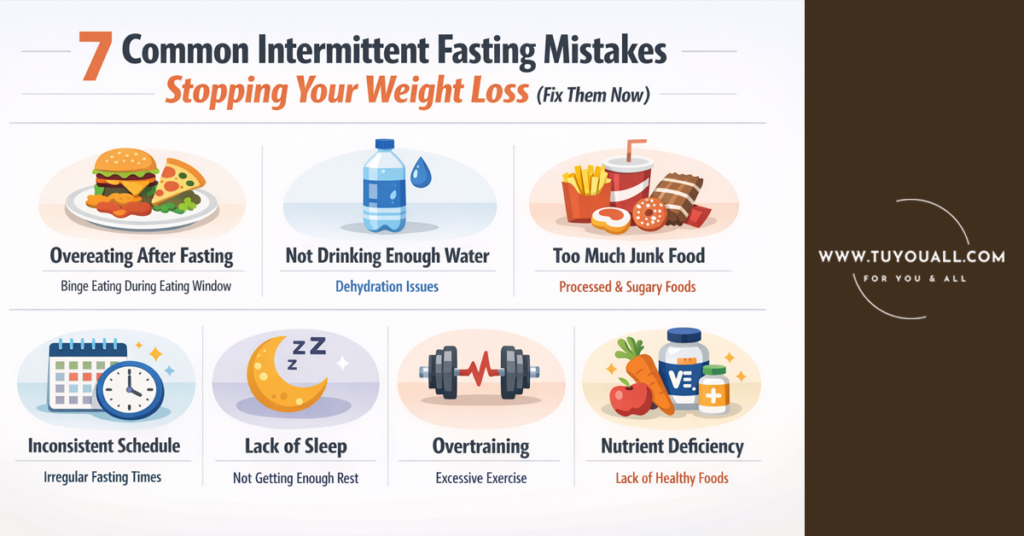
In a candid and eye-opening video, Dr. Parliament Manikam (Dr. Pal) breaks down the most common intermittent fasting mistakes that sabotage your results before you even get started. The good news? Once you know what these pitfalls are, they’re surprisingly easy to avoid. Let’s dive into the six biggest blunders—and exactly how to fix them.
Mistake #1: Going From 0 to 100 Overnight
Imagine walking into a gym for the first time and trying to bench press 50 kilograms. Sounds ridiculous, right? That’s exactly what Dr. Pal sees people doing with fasting.
“I still remember when I wanted to become fit, I went to gym and I wanted to lift a 50 kilogram Rod as a bench press right away… I couldn’t,” he recalls. “My personal trainer was looking at me from all angles and then just gave the rod without any weight.”
The Problem:
Many beginners immediately jump to a 16:8 schedule (16 hours fasting, 8 hours eating) even if they’re used to eating for 16 hours straight. This aggressive approach shocks your system.
What happens:
Your body goes through internal changes that can manifest as fatigue, lack of sleep, increased thirst, and frequent urination. These symptoms are normal, but if you push too hard too fast, you’ll burn out and quit.
The Fix:
Start slowly. If you currently eat over a 16-hour window, try shrinking it to 14 hours first, then 12, then 10. As Dr. Pal emphasizes: “Remember you need to enjoy the process… This is not a Sprint, this is a marathon.”
Mistake #2: Treating Your Eating Window Like an All-You-Can-Eat Buffet
Here’s a hard truth that shocks many beginners: Fasting is not a golden ticket to eat whatever you want.
Dr. Pal shares the story of his friend Sarah Kumar, who complained, “This intermittent fasting method will not work because look at me, I’m not losing weight”—while literally eating “heated gulab jamun on a frozen ice cream with chocolate pudding.”
The Problem:
Yes, fasting gives your insulin resistance a break overnight, but calories still matter. If you overeat during your eating window, you’ll delay your results significantly.
The Fix:
You don’t need obsessive calorie counting, but you do need awareness. Look at your current eating habits and identify easy wins. As Dr. Pal suggests, “I’m pretty sure the evening snack murukku can be cut down. Even if you can’t, instead of eating two murukku, you could go with one.”
| Common Evening Snacks | Calories (Approx.) | Easy Swap |
| 2 Murukku (fried snack) | 200 | 1 Murukku + herbal tea |
| Gulab Jamun (1 piece) | 150 | Greek yogurt with berries |
| Chocolate Pudding (1 cup) | 300 | Dark chocolate square (70%+) |
| Potato Chips (small bag) | 250 | Roasted chickpeas |
Mistake #3: Forgetting to Hydrate (The Water Mistake)
When you start fasting, your body targets glycogen—the stored form of carbohydrates. Here’s the kicker: glycogen binds water. As you burn through glycogen during fasting, you lose that bound water and excrete it through urine.
The Problem:
Most people don’t replace this lost fluid, leading to dehydration, headaches, and stalled weight loss.
The Fix:
Drink 2 to 3 liters of water daily until your urine runs clear or pale yellow. As Dr. Pal jokes, “The next World War is going to be about water, so better use it right at this time before the world goes Mad Max.”
Pro tip:
If plain water bores you, add lemon slices, cucumber, or mint leaves—just avoid sweeteners that might trigger insulin.
Mistake #4: The “Snack Attack” Between Meals
You’ve mastered the 16-hour fast. You break your fast at 8 AM, have lunch at 1 PM, and dinner at 7 PM. Perfect! But then you grab a handful of nuts at 10 AM, a cookie at 3 PM, and some chips while watching TV…
The Problem:
Every time you snack, you stimulate insulin. The entire concept of intermittent fasting is to give your insulin a rest. Frequent snacking, especially at social events like weddings where “between breakfast and lunch there will be another breakfast,” completely defeats the purpose.
The Fix:
Stick to three solid meals during your eating window and nothing in between. If you’re hungry between meals, you’re either:
- Not eating enough protein at meals
- Dehydrated (drink water first)
- Eating too many carbs that spike then crash your blood sugar
Mistake #5: Skipping the Protein
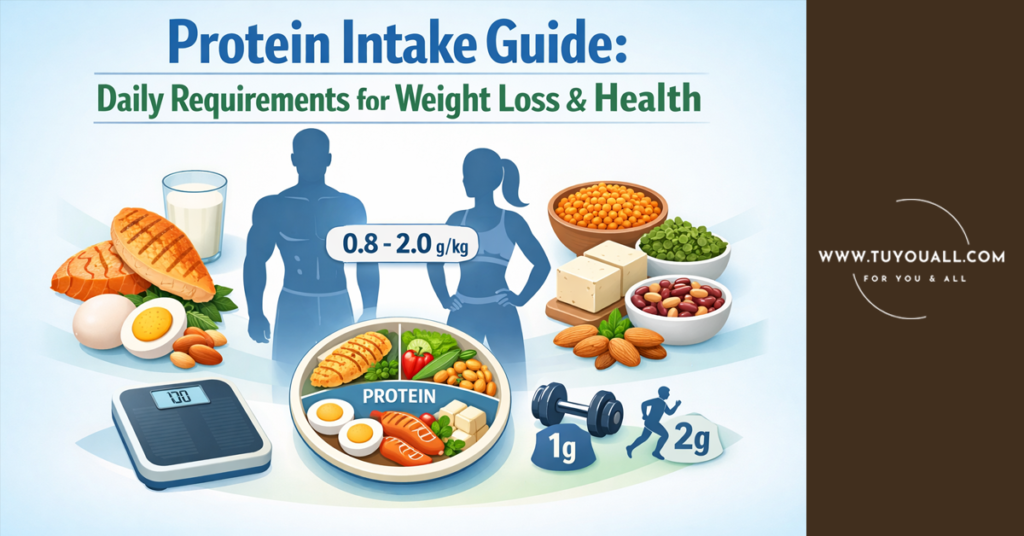
This is where many vegetarians and beginners struggle most. Dr. Pal repeatedly emphasizes: You need 1 gram of protein per kilogram of body weight daily. If you weigh 70 kg, you need 70 grams of protein.
Why it matters:
Protein keeps you full, preserves muscle mass while losing fat, and has a higher thermic effect (your body burns more calories digesting it).
The Protein Cheat Sheet:
| Food Item | Serving Size | Protein Content |
| Egg | 1 large | 7 grams |
| Milk | 1 cup | 10 grams |
| Paneer (cottage cheese) | 100 grams | 14 grams |
| Chicken breast | 100 grams | 25 grams |
| Cooked lentils | 1 cup | 18 grams |
The Whey Protein Question: Many ask if they need supplements. Dr. Pal suggests exploring whole food options first since whey can be expensive, but it can help if you struggle to hit your targets. Check his dedicated protein video for detailed guidance.
Mistake #6: Ignoring Your Stress Hormones (Cortisol)
You can fast perfectly, eat clean, and hydrate like a fish—but if you’re stressed and sleeping poorly, you’ll still struggle. Why? Cortisol.
The Science:
Cortisol is your stress hormone. When secreted, it raises blood glucose levels, thinking you need energy to fight or flee. But when there’s no actual threat (just work emails or traffic), that glucose has to be managed by insulin—putting stress right back on the system you’re trying to rest.
The Fix:
Two non-negotiables:
- Seven hours of quality sleep nightly
- Regular meditation (even 10 minutes daily)
Dr. Pal shares a humorous observation: “Thankfully Buddha was not born in this generation because there is no tree to meditate under… The best place to meditate is inside your house because whenever there is an argument with your spouse, you could say ‘I am meditating’ and then you go inside your room.”
Bonus Mistake: The Daily Weigh-In Trap
Dr. Pal leaves viewers with one final crucial piece of advice: Stop checking your weight every day.
When you start intermittent fasting, massive internal changes occur—hormones regulate, inflammation drops, and metabolism shifts. These changes don’t always show up immediately on the scale.
The Fix:
Trust the process. Check your weight every 2 to 3 months, not daily. During that time, watch for non-scale victories: better sleep, stable energy, lower blood pressure, and improved mood. As Dr. Pal promises, “Everything will fall in place… At one point in time, you will make sure that this is your fixed eating window that you are very, very comfortable with.”
Frequently Asked Questions [FAQs]
Q: Can I drink coffee during my fasting window? A: Black coffee is generally fine during fasting as it doesn’t significantly spike insulin. However, avoid adding sugar, milk, or cream. If you must have it white, keep it minimal or save it for your eating window.
Q: Why am I not losing weight even though I’m fasting 16 hours daily? A: The most common culprits are eating too many calories during your eating window, snacking between meals (which breaks the fast mentally if not physically), or high cortisol levels from stress and poor sleep. Review the six mistakes above to identify your specific issue.
Q: Do I really need to count calories while intermittent fasting? A: You don’t need obsessive tracking, but you need awareness. Intermittent fasting works by creating a natural calorie deficit through time restriction, but if you overcompensate by eating massive amounts of junk food, you won’t see results.
Q: How much water should I drink while fasting? A: Aim for 2-3 liters daily. During fasting specifically, you lose extra water as your body burns through glycogen stores. Your urine should be pale yellow or clear—if it’s dark, drink more.
Q: Is intermittent fasting safe for everyone? A: While generally safe for healthy adults, pregnant women, people with eating disorders, those on certain medications (especially for diabetes), and underweight individuals should consult a doctor first. Always prioritize health over rapid weight loss.
Conclusion
Intermittent fasting isn’t complicated, but it does require consistency and awareness. By avoiding these six common intermittent fasting mistakes—going too aggressive, overeating, under-hydrating, snacking, skimping on protein, and ignoring stress—you set yourself up for sustainable success.
Remember Dr. Pal’s marathon analogy: this is a long-term lifestyle change, not a quick fix. Focus on progress over perfection, and the results will follow.
Credit Section:
This blog post is based on insights from Dr. Parliament Manikam’s YouTube video: “Why You Are Not Seeing Results On Intermittent Fasting (Common Mistakes).”