This blog post is based on insights from Dr. Praveen Tripathi’s YouTube video: “Depression: Symptoms, Causes and Treatment” (Hindi).
Have you ever felt sad that just wouldn’t go away—no matter how good things got? Maybe you blamed yourself for feeling “weak” or wondered why you couldn’t just “snap out of it.” You’re not alone, and more importantly, you’re not broken.
According to a major survey conducted by NIMHANS (India’s premier neuroscience institute), depression is now the most common psychiatric illness in India. Millions of people suffer silently, often because they don’t recognize the signs or feel too ashamed to seek help.
In this guide, we’ll break down exactly what depression looks like, why it happens (spoiler: it’s not your fault), and what you can do to feel better—based on insights from psychiatrist Dr. Praveen Tripathi.
What Is Clinical Depression? More Than Just Feeling Sad
Let’s get one thing straight: depression isn’t the same as having a bad day. We all experience ups and downs—that’s normal life. But clinical depression is different.
“Depression is characterized by persistent and pervasive sadness that remains unaffected by positive life events.” —Dr. Praveen Tripathi
Here’s the key distinction:
| Normal Sadness | Clinical Depression |
| Triggered by specific events | Often appears without obvious cause |
| Improves when good things happen | Persists despite positive events |
| Lasts hours or days | Continues for weeks or longer (24/7, 7 days a week) |
| Doesn’t severely impact daily life | Disrupts work, relationships, and health |
For example, imagine it’s Diwali, Eid, or Christmas—normally joyful occasions. If you’re experiencing clinical depression, you might find yourself unable to feel happy even surrounded by family, lights, and celebration. The sadness stays like a heavy blanket you can’t shake off.
7 Warning Signs of Depression You Shouldn’t Ignore
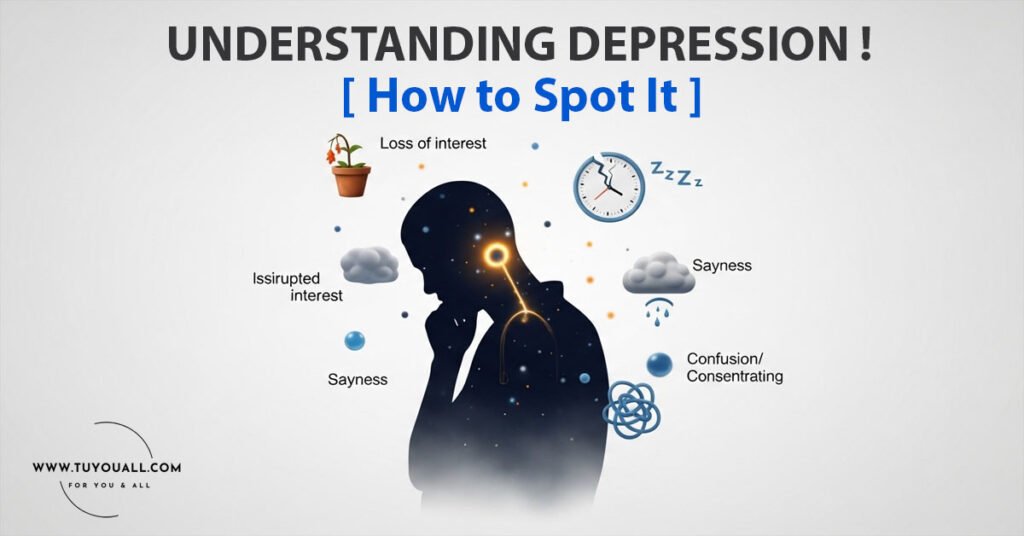
Dr. Tripathi identifies seven key symptoms that signal depression. If these persist for more than two weeks, it’s time to consult a professional:
1. Persistent Low Mood
The hallmark symptom: your mind feels constantly heavy with sadness. Unlike regular mood swings, this doesn’t lift when something good happens.
2. Loss of Interest (Anhedonia)
Activities you once loved—hobbies, socializing, even your job or studies—suddenly feel pointless. As Dr. Tripathi notes, “People often say, ‘Joy feels like it has ended in my life. Nothing feels fun anymore.'”
3. Excessive Guilt
You might blame yourself for trivial things, constantly feel like a burden, or believe everything is your fault—even when logic says otherwise.
4. Physical Exhaustion
Your body feels drained of energy. Simple tasks feel monumental. “It’s like your fuel tank is permanently empty,” describes Dr. Tripathi.
5. Poor Concentration
Students can’t focus on studies. Professionals struggle with work tasks. Your mind feels foggy, making decisions difficult.
6. Sleep Disturbances
Sleep issues are extremely common in depression. Watch for:
- Difficulty falling asleep (lying awake for hours)
- Frequent waking throughout the night
- Early morning awakening (typically before 7 AM, even if you normally wake at 9 AM)
That last one—waking up unusually early—is particularly characteristic of depression.
7. Appetite Changes
Usually, appetite decreases and weight drops. However, some people experience the opposite—increased appetite and weight gain.
8. Self-Harm or Suicidal Thoughts
This is the most serious symptom. Thoughts like “What’s the point of living?” or concrete plans to end your life require immediate professional intervention.
Important:
These symptoms can appear even when life seems objectively “fine.” Depression doesn’t always need a traumatic trigger—it can emerge without warning.
Why Does Depression Happen? The Two-Part Explanation
Depression isn’t a character flaw or weakness. It’s a medical illness with real biological and psychological causes.
Biological Causes: The Chemical Connection
Your brain relies on chemical messengers called neurotransmitters to regulate mood. Dr. Tripathi explains that depression involves imbalances in three key chemicals:
| Neurotransmitter | Role | Effect When Low |
| Serotonin | Mood regulation, sleep, appetite | Sadness, anxiety, sleep issues |
| Norepinephrine | Energy, alertness, focus | Fatigue, poor concentration |
| Dopamine | Pleasure, motivation, reward | Loss of interest, inability to feel joy |
When these chemicals drop below optimal levels, depression symptoms emerge. This is why medication can be genuinely helpful—it helps restore these chemical balances.
Psychological Causes: The Negative Thought Cycle
Life stressors—job loss, relationship problems, financial strain—can trigger depression in vulnerable individuals. But here’s what makes it stick:
“After adverse life events, some people enter a cycle of negative thinking. These negative thoughts then amplify depression symptoms.” —Dr. Praveen Tripathi
Here’s how the cycle works:
Example scenario:
You’re sitting in class, studying normally. You encounter something you don’t understand.
- First negative thought: “I don’t get this.”
- Escalation: “I can’t study properly.”
- Further escalation: “I’ll never succeed.”
- Catastrophizing: “My future is completely dark.”
One small confusion spirals into existential dread. Over time, this pattern becomes automatic—your brain defaults to the worst possible interpretation of every situation.
Both biological and psychological factors work together, creating and maintaining depression. Understanding this helps explain why the most effective treatment addresses both aspects.
Depression Is Treatable: Your Recovery Options
Here’s the message Dr. Tripathi emphasizes most strongly:
“No one chooses depression voluntarily. People often feel ashamed—’Why did I get this? Am I so weak?’ But depression has nothing to do with mental strength or weakness. People with depression aren’t mentally weak.”
Step 1: Stop the Self-Blame
If you recognize these symptoms in yourself:
- Stop considering yourself “weak”
- Stop negative self-talk
- Stop feeling guilty for being unwell
Depression is an illness, not a moral failing. Treat it like diabetes or hypertension—a medical condition requiring proper care.
Step 2: Explore Medical Treatment (Pharmacotherapy)
Antidepressant medications work by increasing levels of serotonin, norepinephrine, and dopamine in your brain. They’re not “happy pills”—they correct chemical imbalances so you can function normally again.
Modern antidepressants are:
- Non-addictive
- Safe for long-term use
- Effective for moderate to severe depression
Step 3: Consider Counseling (Psychotherapy)
Psychotherapy or counseling teaches you to:
- Identify negative thought patterns
- Challenge distorted thinking
- Develop healthier coping strategies
- Prevent relapse
Cognitive Behavioral Therapy (CBT) is particularly effective for depression.
The Winning Combination: Medication + Therapy
While either approach works alone, combining medication with counseling produces the best results. Medication stabilizes your brain chemistry, while therapy addresses the thought patterns that fuel depression.
Frequently Asked Questions About Depression
Q: Can depression go away on its own without treatment?
A: Mild depression might improve with time, but moderate to severe depression usually requires treatment. Untreated depression can last months or years and significantly increases suicide risk. Early intervention leads to faster, more complete recovery.
Q: Are antidepressants addictive? Will I need them forever?
A: Modern antidepressants are not addictive. Most people take them for 6-12 months after symptoms improve, then taper off under medical supervision. Some individuals with recurrent depression may benefit from longer-term treatment.
Q: How is depression different from anxiety?
A: While they often co-occur, depression centers on low mood and loss of interest, while anxiety centers on excessive worry and fear. However, many people experience both simultaneously, and treatments often overlap.
Q: Can lifestyle changes alone cure depression?
A: Exercise, sleep hygiene, and social connection help, but clinical depression usually requires professional treatment. Think of lifestyle changes as important supplements, not replacements for medical care.
Q: What should I do if someone I love shows signs of depression?
A: Encourage them to see a psychiatrist without judgment. Offer practical support—helping with appointments, checking in regularly. If they mention suicide, take it seriously and seek immediate help from emergency services or a mental health professional.
Conclusion: Hope Is Real, Help Is Available
Depression can make you feel isolated, hopeless, and permanently stuck. But here’s what Dr. Tripathi’s expertise confirms: depression is one of the most treatable medical conditions.
Key takeaways:
- Recognize the 8 warning signs—especially persistent sadness lasting over two weeks
- Understand that depression involves both biological and psychological factors
- Know that neither weakness nor personal choice causes depression
- Seek combined treatment (medication + counseling) for best results
- Act quickly—early treatment leads to full recovery
If you or someone you know is experiencing these symptoms, don’t wait. Contact a psychiatrist as soon as possible. Recovery isn’t just possible; it’s probable with proper care.
What small step could you take today to prioritize your mental health—or support someone who might be struggling?
Credit & Source
This blog post is based on insights from Dr. Praveen Tripathi’s YouTube video: “Depression: Symptoms, Causes and Treatment” (Hindi).
The original content has been translated, expanded, and repurposed for educational purposes.
Dr. Praveen Tripathi is a practicing psychiatrist dedicated to increasing public awareness about psychiatric and psychological disorders. To stay connected with his educational content, you can subscribe to his YouTube channel.