This blog post is based on insights from Shivangi Desai‘s podcast: “Intermittent Fasting: Complete Guide to Fat Loss, Insulin Sensitivity & Metabolic Health.”
Confused about intermittent fasting? You’re not alone. With so many conflicting opinions online, it’s hard to know whether this popular eating pattern is a miracle solution or just another fad. Health coach Shivangi Desai breaks it down in simple terms: intermittent fasting isn’t a diet—it’s a strategic eating schedule that can transform your metabolism, burn stubborn fat, and add years to your life. In this guide, you’ll learn exactly how it works, who it’s for (and who should avoid it), and how to start today without feeling miserable.
What Is Intermittent Fasting? (Hint: It’s Not a Diet)
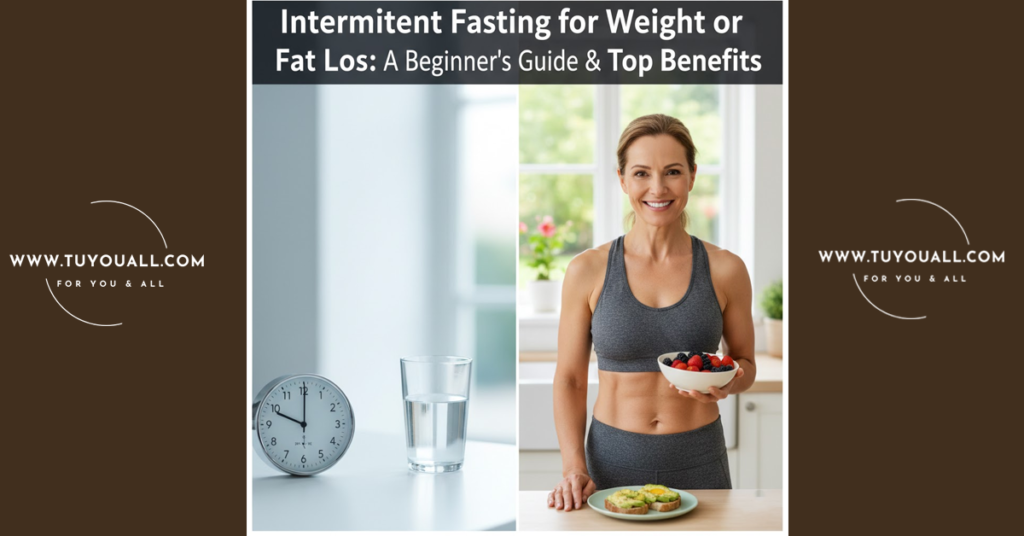
Let’s clear up the biggest misconception right away: intermittent fasting (IF) is not about what you eat—it’s about when you eat. As Shivangi explains, “Intermittent fasting is an eating pattern, not a diet. It helps you eat at the right time and fast at the right time so your body uses fat for energy instead of glucose.”
Think of it like this: instead of grazing all day, you give your body a break. This break—called the fasting window—allows your system to shift from burning sugar to burning stored fat. The most popular method is the 16:8 approach: 16 hours of fasting followed by an 8-hour eating window.
The Ancient Indian Secret Behind Intermittent Fasting
Here’s something cool: while “intermittent fasting” sounds like a modern Western trend, Indians have practiced it for centuries. Shivangi points out, “This concept has been used in India for years. We used to stop eating after sunset, which indirectly created a fasting window because you don’t eat through the night.” So really, you’re not trying something new—you’re returning to your roots.
How Intermittent Fasting Transforms Your Body: The Science Made Simple
Understanding why intermittent fasting works will help you stick with it. Your body is smarter than you think, and it runs on a predictable energy system.
The 3-Step Energy Burning Process
Every time you eat, your body follows this exact sequence:
Step 1: Burn Glucose First
When you eat rice, roti, or even an apple, the carbohydrates convert to glucose. This glucose enters your bloodstream, travels to cells and organs via insulin, and provides immediate energy.
Step 2: Tap Into Glycogen Stores
Any leftover glucose gets stored in your liver as glycogen. This is your body’s short-term energy savings account. When you need energy between meals, your liver converts glycogen back to glucose.
Step 3: The Magic Fat-Burning Mode
Here’s where intermittent fasting works its magic. After about 16 hours without food, your glycogen stores run low. Your body has one fuel source left: fat. It converts stored fat into free fatty acids, which your liver turns into energy. This is when you start burning the fat you’ve been trying to lose.
For example, imagine your body is like a hybrid car. It burns gasoline (glucose) first, then switches to electricity (glycogen), and finally taps into its backup fuel tank (fat). Intermittent fasting forces your body to finally use that backup tank you’ve been carrying around.
5 Science-Backed Benefits of Intermittent Fasting
Shivangi outlines several powerful benefits, but these five stand out as game-changers for your health:
1. Efficient Fat Loss (Not Muscle Loss)
Unlike crash diets that burn muscle, intermittent fasting targets fat while preserving lean muscle mass—if you do it correctly. This means you get leaner, not weaker.
2. Improved Insulin Sensitivity
Every time you eat, your blood sugar spikes and your pancreas releases insulin. Eating constantly means constant insulin spikes, which can lead to insulin resistance, PCOD, obesity, and Type 2 diabetes. Shivangi explains: “When you fast, you give your pancreas and insulin a rest. This gradually reduces insulin sensitivity issues.”
3. Reduced Inflammation and Better Heart Health
Chronic inflammation drives most modern diseases. Intermittent fasting helps calm this inflammation, improving cardiovascular markers and reducing your risk of heart disease and high cholesterol.
4. Enhanced Brain Function
During fasting, your body increases production of neurotrophic factors—proteins that help brain neurons survive and grow. The result? Better focus, improved concentration, elevated mood, and protection against cognitive decline.
5. Longevity and Metabolic Health
By improving your metabolic health and reducing disease risk factors, intermittent fasting may help you live longer and stay healthier in your later years.
Who Should NOT Try Intermittent Fasting?
This is crucial: intermittent fasting is safe for most people, but not everyone. Shivangi strongly advises these groups to avoid it or seek medical supervision:
- Pregnant or breastfeeding women – Your body needs consistent nutrients for the baby
- Type 1 diabetics – Risk of dangerous blood sugar drops (Type 2 can try under doctor supervision)
- Children and teenagers – Still growing and developing
- People with eating disorders – Could trigger unhealthy patterns
- Severe hormonal imbalance – May worsen symptoms
- Underweight individuals – Could lead to dangerous weight loss
- Hypoglycemia or low blood pressure issues – Risk of fainting or dizziness
- If your body reacts weirdly – Listen to your body; if it feels wrong, stop
For example, one of Shivangi’s clients with severe PCOS tried intermittent fasting and felt worse. Why? Her hormones were too imbalanced at that time. Later, after healing her gut and balancing hormones, she tried again successfully. The key is timing and personalization.
How to Start Intermittent Fasting Without the Stress
Jumping straight to 16 hours of fasting is like trying to run a marathon without training. Here’s Shivangi’s gentle, step-by-step method:
The 16:8 Method Made Simple
Step 1: Find Your Current Fasting Window
Look at your last meal of the day. If you finish dinner at 9 PM and eat breakfast at 8 AM, you’re already fasting for 11 hours. Count only the time between calorie-containing meals.
Step 2: Extend By 1 Hour at a Time
- Week 1: Push breakfast to 9 AM (12-hour fast)
- Week 2: Push breakfast to 10 AM (13-hour fast)
- Week 3: Push breakfast to 11 AM (14-hour fast)
- Continue until you reach 16 hours
Step 3: Adjust Meal Timing
Ideally, eat your last meal around sunset (6-7 PM). This aligns with your body’s natural circadian rhythm. Then have your first meal the next day between 10-11 AM.
For example, if you currently eat dinner at 8 PM and breakfast at 7 AM (11-hour fast), simply delay breakfast to 8 AM next week. That’s it. Small changes stick. Big shocks don’t.
What to Drink During Your Fast
Staying hydrated is non-negotiable. Here’s what’s allowed:
✅ Water – Unlimited, drink regularly
✅ Green tea – Better than coffee for most people
✅ Black coffee – Some people tolerate it, but it can cause gut issues
✅ Herbal tea – Chamomile, mint, etc.
✅ Sparkling water – If it helps with cravings
Shivangi’s take: “I personally avoid black coffee because it can create gut dysbiosis for most people. Green tea is still better. If you can just stick with water, nothing like it.”
What to Eat During Your Eating Window
This is where most people mess up. After fasting, your body is sensitive. Don’t bombard it.
First Meal (Break Your Fast Gently):
Keep it light: fruit, dry fruits, or a small portion of easily digestible food.
Full Eating Window:
Focus on nutrient-dense whole foods:
- Lots of vegetables (any form)
- Good protein sources
- Healthy fats
- Quality carbohydrates
AVOID:
- ❌ Overeating (biggest mistake)
- ❌ Heavy, greasy meals right after fasting
- ❌ Junk food just because you’re “allowed” to eat
For example, after a 16-hour fast, don’t break it with a giant biryani. Instead, have a banana with 5-6 almonds, wait 30 minutes, then enjoy a balanced meal with dal, vegetables, and roti.
Exercise and Intermittent Fasting: The Complete Guide
“Should I exercise while fasting?” This is one of the most common questions Shivangi gets.
The Golden Rules:
- Moderate exercise is recommended – Walking, yoga, light cardio actually enhance fat burning
- Heavy bodybuilding? Avoid intermittent fasting during intense muscle-building phases
- Fasted workouts are optional – Some people feel great; others get headaches. Try it and see
- Never stop moving completely – Just because you’re fasting doesn’t mean you should be sedentary
For example, if you workout in the morning during your fast and feel dizzy, either:
- Move your workout to your eating window, OR
- Adjust your fasting window to eat before exercising
Bottom line: “Listen to your body. If it reacts weirdly, reduce the intensity or timing. Everything is feedback.”
The Secret to Making It Work Long-Term
Here’s what nobody tells you: intermittent fasting isn’t a 30-day challenge—it’s a lifestyle. Shivangi emphasizes: “It’s not about following it for a few months. If your body suits it, you can do it lifelong.”
Your Body Is Your Laboratory
No single rule works for everyone. Shivangi shares her own experience: “A few years ago, when I was vegan, intermittent fasting didn’t work on my body at all. Today, if I do it every day, it gives me results.”
Your body changes. What works today might not work during a stressful period or after a major life change. The key is to experiment and adjust.
For example, track these signals:
- Energy levels – Are you feeling more or less energetic?
- Mood – Are you irritable or calm?
- Sleep – Is your sleep improving or worsening?
- Cravings – Are they manageable or out of control?
If any signal is negative, adjust downward. Try a 14-hour fast instead of 16. Or fast only 5 days a week instead of 7.
Frequently Asked Questions [FAQ]
Q.1. Can I drink coffee during my fast?
Black coffee is technically allowed since it has no calories, but Shivangi recommends caution: “Black coffee can create gut dysbiosis for most people.” Green tea is a gentler option. If you can stick with water and herbal teas, that’s even better.
Q.2. Will intermittent fasting slow down my metabolism?
No—this is a common myth. In fact, by improving insulin sensitivity and promoting fat burning, intermittent fasting can enhance your metabolic health. The key is not to overeat during your eating window and to include moderate exercise.
Q.3. How long should I follow intermittent fasting?
There’s no set end date. If your body responds well, you can make it a permanent lifestyle. If you hit a stressful period or your body stops responding positively, take a break. As Shivangi says, “Everything is feedback. Your body is the biggest lab you have.”
Q.4. Can I do intermittent fasting without exercise?
You can, but you shouldn’t. Moderate movement enhances fat loss and preserves muscle. However, avoid heavy, strenuous workouts if you’re doing intense fasting. The rule is: move your body daily, but match the exercise intensity to your fasting level.
Q.5. What’s the difference between intermittent fasting and starvation?
Starvation is involuntary and unlimited—your body doesn’t know when the next meal is coming. Intermittent fasting is controlled and voluntary—you’re telling your body exactly when it will eat again. This predictability allows your body to safely tap into fat stores without panic.
Your First Step: Start Tonight
You don’t need to buy special foods or join a program. Tonight, simply note what time you finish dinner. Tomorrow, delay breakfast by just 30 minutes. That’s it. You’ve started.
Remember Shivangi’s core message: “Your body is unique. Treat it as a laboratory. Everything is feedback.” Listen, adjust, and be patient. The goal isn’t perfection—it’s progress.
Conclusion: It’s About Health, Not Just Weight
Intermittent fasting isn’t just about fitting into smaller jeans. It’s about giving your overworked insulin system a break, reducing dangerous inflammation, energizing your brain, and potentially adding healthy years to your life. The 16:8 method is simply a tool—one that respects your body’s natural rhythms and ancient wisdom.
What fasting window will you try first? Let me know in the comments—I’d love to hear your plan!
Credits & Resources
This blog post is based on insights from Shivangi Desai‘s podcast: “Intermittent Fasting: Complete Guide to Fat Loss, Insulin Sensitivity & Metabolic Health.” Shivangi is an award-winning health and nutrition coach and founder of Fit Bharat Mission. For more holistic health guidance, subscribe to her channel and explore her programs.