This blog post is based on insights from Vivek’s YouTube video: “पाइल्स (बवासीर) में क्या खाएं और क्या नहीं | Foods to Eat and Avoid in Piles” by Fit Tuber Hindi.
Are you tired of the burning, itching, and bleeding that comes with piles (hemorrhoids)? You’re not alone—and you’re definitely not doomed to surgery. Here’s the truth that changed everything for millions: piles is fundamentally a digestive disorder, not just a “bottom problem.”
According to reports, over 1 crore (10 million) people in India develop piles every year. Yet most suffer in silence, too embarrassed to seek help, while the condition quietly worsens. The good news? If you catch it early and fix your diet, you can reverse it completely within just 1-2 months—no operation required.
In this comprehensive guide, we’ll break down exactly what to eat, what to avoid, and the ancient Ayurvedic remedy that could be your game-changer. This is the only guide you’ll ever need.
What Are Piles, Really?
Before we dive into solutions, let’s understand the enemy. Piles occur when the veins around your anus and rectum become swollen and inflamed—essentially turning into painful lumps or “masses.”
- Internal piles: These form inside the rectum
- External piles: These protrude outside the anus
Common symptoms include pain, irritation, itching, and the most frightening one—bleeding during bowel movements.
But here’s what most people miss: piles don’t appear out of nowhere. They’re your body’s screaming signal that your digestive system is under fire.
The Root Causes: Why You Got Piles in the First Place
Understanding causes helps you prevent recurrence. Here are the daily habits that set the stage for piles:
1. The Straining Problem
Some people develop a habit of pushing too hard during toilet time. This creates enormous pressure on your rectal veins. Instead, focus on eating foods that make stools soft and drinking plenty of water so nature takes its course without force.
2. The Sitting Disease
Spending 6+ hours sitting continuously—whether driving or desk-working—is a major risk factor. If you work in an office, make this non-negotiable: stand up every hour, walk around, and drink water.
3. Late-Night Heavy Dinners
Eating a heavy dinner after 7 PM and immediately sleeping puts tremendous downward pressure on your digestive organs overnight. The fix? Have dinner by 7 PM and keep it light—think khichdi, daliya (porridge), soup, or simple dal-rice.
4. Aggressive Toilet Jets
Using high-pressure water jets in toilets daily can cause internal wounds. Keep the pressure normal/moderate to avoid tissue damage.
5. Eating While Standing
Regularly eating or drinking while standing can contribute to piles. If you already have the condition, never eat while standing.
Foods That Make Piles Worse: The “Never Eat” List
This is where your healing begins—by removing the fuel from the fire. These foods generate internal heat, cause constipation, and directly worsen inflammation.
1. Red Chili Powder & Excessive Spices
Here’s a hard truth: even a healthy person feels the burn after extremely spicy food. For piles patients, it’s like “hitting your own foot with an axe.”
“The root cause of piles is increased heat and inflammation in the lower organs. That’s why bleeding occurs with stools.” — Fit Tuber Hindi
Action step: Completely stop using red chili powder for two months. You can use small amounts of green chilies instead, but minimize all hot spices. Eat simple home-cooked food—plain dal, vegetables, and roti—and watch the relief come quickly.
2. Eggplant (Brinjal/Baingan)
Ayurveda specifically identifies eggplant as “Vruntak” and prohibits it for piles patients. Experienced Ayurvedic practitioners confirm it worsens the condition. Avoid completely until healed.
3. Sticky/Viscous Vegetables
While nutritious generally, these become problematic during piles:
- Jackfruit (Kathal)
- Jimikand (Elephant foot yam)
- Okra (Bhindi)
- Taro/Arbi
Avoid these sticky vegetables during your healing phase.
4. Gas-Producing Lentils
Three lentils are notorious for causing gas and pressure:
- Rajma (Kidney beans)
- Arhar/Toor dal (Pigeon peas)
- Urad dal (Black gram)
Safe alternatives loaded with fiber: Green moong, yellow moong, black chana, white chana, and masoor dal. These soften stools and ease passage.
5. Deep-Fried Foods
This is critical. Here’s how fried foods destroy your digestion:
Normally, digestion takes 24-72 hours. Fried food slows this process dramatically, creating internal heat that dries out water content in stools, making them hard. Hard stools require straining, which creates pressure, which swells veins, which creates piles.
“The oils used outside are refined and reused repeatedly, creating inflammatory compounds that cause constipation.”
The three approaches:
- Person A: Ignores advice, keeps eating outside fried food → Piles persist
- Person B: Switches to “pure mustard oil at home” → Slight improvement
- Person C: Complete 2-month fried food ban → Fastest healing
The choice is yours. You don’t need to quit forever—just for 2 months while healing.
6. Bakery Products & Refined Flour (Maida)
Bread, biscuits, namkeen, cakes, pastries—all made from refined flour with negligible fiber. Studies show piles can escalate from Grade 1 to Grade 4 (bleeding stage) just from consuming these. Avoid maida completely.
7. Non-Vegetarian Food (Especially Red & Processed Meat)
Meat contains zero fiber and digests very slowly. It’s also extremely heating to the body. Red meat and processed meats rapidly worsen piles. Avoid as much as possible.
8. Excess Tea, Coffee & Alcohol
These dry out stools, preventing the relief you desperately need. Minimize or eliminate during healing.
Foods That Heal Piles: Your “Eat More” List
Now for the good part—delicious, healing foods that cool your system, add fiber, and lubricate your intestines.
1. Buttermilk (Chaas) — The #1 Healing Drink
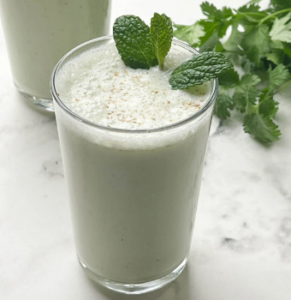
If you do just one thing from this list, make it this: Drink one glass of buttermilk after lunch.
Buttermilk is practically designed for piles relief:
- Cooling in nature (reduces inflammation)
- High water content (prevents hard stools)
- Naturally oily (lubricates intestines for easy passage)
In fact, Ayurvedic physicians traditionally administer piles medicines with buttermilk for enhanced absorption.
Important: Drink buttermilk during daytime only (breakfast or lunch). Never after 4 PM.
Pro tip: Add rock salt (sendha namak), black salt, or roasted cumin for flavor and extra digestive benefits.
Milk Myth Busted: Contrary to some advice, Ayurveda recommends desi cow milk, ghee, buttermilk, and butter for piles—they’re cooling and lubricating. Only avoid if you have lactose intolerance.
2. The Power Trio: Figs, Dates & Raisins (Anjeer, Khajoor, Munakka)
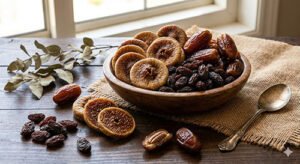
This combination works like a home remedy:
The ritual: Every night before bed, soak 4 figs, 2 dates, and 4 raisins (munakka) in half a glass of water. Cover and leave overnight.
Morning routine: First drink the water, then chew and eat all three fruits together. (Remove munakka seeds—they’re not edible.) Drink the soaking water too.
All three are natural stool softeners and constipation breakers. Do this empty stomach daily for significant relief. No munakka? Use regular raisins (kishmish) instead.
3. Apples — Nature’s Pectin Powerhouse
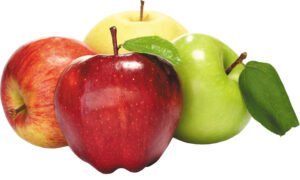
A hallmark of piles is pain during bowel movements. Apples contain pectin, a special fiber that makes stools soft and bulky, enabling easy, pain-free passage.
Best practices:
- Eat one apple before breakfast, OR
- Eat 2 hours after lunch
- Choose local/native apples over shiny imported ones
- Eat with the skin for maximum fiber
4. Cabbage (Patta Gobhi)
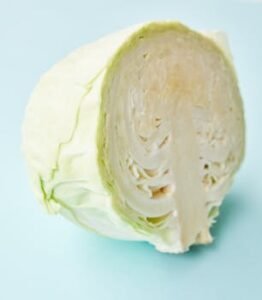
This cruciferous vegetable is piles-friendly gold:
- Rich in insoluble fiber (prevents constipation)
- Contains glucosinolates that your gut bacteria love
Your gut microbes convert these compounds into inflammation-fighting substances that specifically target intestinal swelling from piles.
How to eat: Cook as vegetable curry, or eat raw as salad before lunch.
5. Ridge Gourd (Torai/Turai) — The Intestine-Shaped Healer
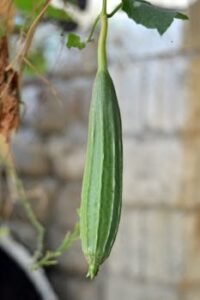
Currently in season, ridge gourd is:
- Iron-rich
- Light to digest yet strengthens intestines
- Cooling in nature
- Shaped like our intestines (nature’s hint!)
Always cook with ghee tempering—this enhances both taste and medicinal properties.
Other excellent gourd vegetables: Bottle gourd (lauki), pumpkin (kaddu), pointed gourd (parwal), and apple gourd (tinda). But ridge gourd is the superstar—aim for 2-3 times per week.
6. Radish (Mooli) — The Winter Medicine
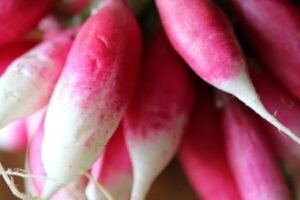
Radish acts like medicine for piles. Eating a plate of raw radish salad before breakfast in winter season speeds healing dramatically.
Important: Only eat in season. Don’t eat out-of-season radish.
7. Pear (Nashpati) — The Seasonal Superfruit
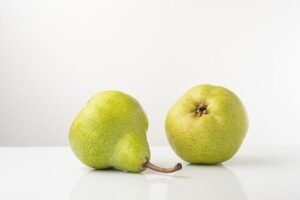
Available only briefly each year, but when you see it—grab it. Pears are among the best foods for morning bowel regularity.
Benefits:
- High fiber content
- Unique antioxidants that reduce intestinal inflammation
- So effective that Ayurveda notes benefits even for intestinal cancers
Eat one daily when in season. Confused between pear (nashpati) and quince (babbugosha)? Both are good, but pear is superior for piles.
8. Banana — The Ripeness Matters
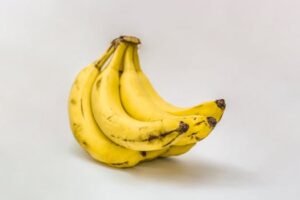
Bananas can help OR harm depending on ripeness:
✅ GOOD: Fully ripe bananas with black spots, soft texture, and sweet taste. These reduce both Pitta (heat) and Vata (dryness)—the two root causes of piles.
❌ BAD: Half-ripe, greenish bananas sold commercially. These increase intestinal inflammation and pain.
Practical solution: Buy slightly unripe bananas, but wait at home until black spots appear. Then eat.
The Golden Rule: Prevent Constipation at All Costs
If you want rapid healing, make this your mantra: “No constipation, no piles progression.”
Replace these:
- ❌ Outside fried food
- ❌ Maida products
- ❌ Fast food/processed foods
- ❌ “Sticky” foods that cling to intestines and generate heat
With these:
- ✅ Whole grains with bran: Brown rice, millets, oats
- ✅ Fruits: Apples, pears, pomegranate, ripe bananas
- ✅ Salads: Cucumber, cabbage
- ✅ Light vegetables: Ridge gourd, bottle gourd, pumpkin, pointed gourd, cabbage
- ✅ Light lentils: Moong, masoor (avoid arhar, rajma, urad)
Commit to just 2 months of this dietary discipline, and you’ll likely return to comment that your piles are history.
Bonus: The Ancient Ayurvedic Remedy (Coconut Husk Ash)
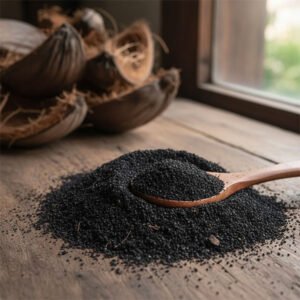
Finally, the powerful home remedy described in Ayurvedic scriptures—authentic, popular, and effective:
What You Need:
- Coconut husks (the fibrous outer shell)—available at temple-side shops or coconut vendors
Preparation:
- Burn the husks in an open area (terrace/balcony) using a matchstick. They won’t catch fire immediately—be patient, they’ll slowly ignite.
- Let them burn completely until black/charred.
- Sieve through a thin cloth (malmal) or fine strainer.
- The resulting fine black powder is pure coconut husk ash (Nariyal Jata Ash).
Dosage:
- ¼ teaspoon mixed with buttermilk
- Take at least once daily (morning before breakfast, after lunch, or after dinner with water)
- Crucial: Don’t eat anything for 1 hour after taking it
Frequency: Up to 3 times daily for severe cases.
The payoff: Though preparation takes effort, this remedy is so effective that people taking it 3x daily report significant relief within one week.
Quick Reference: Piles Diet Cheat Sheet
| Category | AVOID (Inflammation-Causing) | EAT (Healing & Cooling) |
| Spices | Red chili powder, excess hot spices | Green chilies (minimal), cumin, coriander |
| Vegetables | Eggplant, jackfruit, okra, arbi, jimikand | Ridge gourd, cabbage, bottle gourd, pumpkin, radish (seasonal) |
| Lentils | Rajma, arhar/toor dal, urad dal | Green moong, yellow moong, masoor, chana |
| Cooking Method | Deep-fried anything | Steamed, boiled, lightly sautéed in ghee |
| Grains | Maida (refined flour), white bread | Brown rice, whole wheat, oats, millets |
| Fruits | Unripe bananas | Ripe bananas, apples, pears, figs, dates, raisins |
| Dairy | – | Buttermilk (chaas), desi cow milk, ghee |
| Beverages | Excess tea, coffee, alcohol | Buttermilk, warm water, herbal teas |
| Other | Bakery products, processed meat, standing while eating | Soaked dried fruits, raw salads, early light dinners |
Frequently Asked Questions (FAQ)
Q.1. Can piles be cured without surgery?
Yes, absolutely. According to Ayurveda, surgery for piles is needed only in very rare cases. By following strict dietary discipline for 1-2 months, avoiding trigger foods, and using remedies like coconut husk ash, most cases resolve completely.
Q.2. How long does it take to cure piles with diet changes?
Most people see significant improvement within 2-4 weeks, with complete healing possible in 1-2 months if the diet is followed strictly. The key is consistency and avoiding “cheat days” during the healing phase.
Q.3. Is buttermilk really effective for piles?
Extremely effective. Buttermilk is cooling, hydrating, and lubricating—all properties that directly counter piles. Ayurvedic physicians specifically recommend taking piles medication with buttermilk to enhance absorption and effectiveness.
Q.4. Why do piles recur even after surgery?
Because surgery removes the symptom (swollen veins) but not the cause (digestive imbalance, constipation, dietary triggers). Unless you fix your diet and lifestyle—avoiding spicy food, fried items, and maintaining fiber intake—piles will likely return.
Q.5. Can I eat non-veg occasionally if I have piles?
It’s strongly advised to avoid completely during the 2-month healing period. Non-veg food is fiberless, slow-digesting, and heating—all of which worsen piles. After healing, occasional consumption may be tolerable, but observe your body’s response.
Conclusion: Your 2-Month Challenge to Freedom
Piles is not a life sentence, nor is it an automatic ticket to the operating table. It’s your body’s urgent message that your digestive system needs care—and the solution is largely in your hands.
Remember the core principle: Piles is caused by internal heat and inflammation. Every spicy bite, every fried snack, every cup of extra coffee feeds the fire. Every glass of buttermilk, every apple, every serving of ridge gourd cools the flames.
Your 2-month commitment:
- Eliminate the “Never Eat” foods completely
- Make buttermilk your daily companion
- Embrace the healing foods, especially fiber-rich options
- Try the coconut husk ash remedy for accelerated healing
- Fix lifestyle habits—no straining, move every hour, light early dinners
Thousands have healed themselves this way. The question is: Are you ready to commit to 60 days of discipline for a lifetime of relief?
What’s the first change you’ll make today? Share in the comments below!
Credit & Source
This blog post is based on insights from Vivek’s YouTube video: “पाइल्स (बवासीर) में क्या खाएं और क्या नहीं | Foods to Eat and Avoid in Piles” by Fit Tuber Hindi.
The original content has been translated, expanded, and repurposed for educational purposes.