This blog post is based on insights from Basesh Gala‘s YouTube interview on the Deep Cast podcast channel. Basesh Gala is a renowned business coach who has trained lakhs of entrepreneurs and helped scale numerous businesses across India.
The Wake-Up Call: Are You Running a Business or Just Employing Yourself?
Here’s a question that might sting a little: If you stepped away from your business today, would it still make money tomorrow?
If your answer is “no,” you’re not alone—but you’re also not running a true business. You’re what legendary business coach Basesh Gala calls a “Ramu Kaka”—someone who opens the shop shutter, counts every note, handles every customer, and essentially owns their job rather than owning a business.
“Business is a machine which will earn profit without you. If it’s not, then you are not a businessman—you are Ramu Kaka.” — Basesh Gala
Basesh Gala, who has trained lakhs of entrepreneurs across India, drops a bombshell prediction: 40% of traditional businesses will die within the next 5 years if they don’t innovate or connect with the youth. But here’s the good news—he also provides a complete roadmap for building a business that not only survives but thrives, scaling from zero to 1000 crores.
Ready to transform from a self-employed worker into a true entrepreneur? Let’s dive in.
What Business Actually Means: The 4-Step Framework
Before dreaming of billions, let’s get the definition right. Basesh Gala breaks down business into four non-negotiable steps:
Step 1: Find the Gap (Opportunity Spotting)
Every successful business starts with identifying a problem or market gap. Without this, you’re just another shop in an overcrowded street.
For Example: Think about iD Fresh Food. Thirty years ago, every Indian household made idli-dosa batter at home. But as lifestyles changed, people wanted convenience without compromising hygiene. PC Mustafa spotted this gap—local vendors were selling batter in plastic bags with flies hovering around. With just ₹25,000 borrowed money, he bought a small grinder, packaged batter hygienically, and started supplying to local stores. Today? A 3000+ crore valuation and growing toward 10,000 crores.
Step 2: Add Your Unique Value (The Twist)
Finding a gap isn’t enough. You need to add your own flavor, innovation, or twist that makes customers choose YOU.
For Example: Take Dolly Chaiwala. Tea stalls existed everywhere, but he added style—flair, presentation, and showmanship. Some call it “cringe,” others love it, but nobody can ignore it. That unique value helped him launch franchises and build a brand that runs without him making every cup.
Step 3: Generate Profit and Cash Flow
Value without profit is charity. Your business must create sustainable cash flow—and if you’re spiritually inclined, Basesh Gala suggests earning “blessings” too by genuinely helping people.
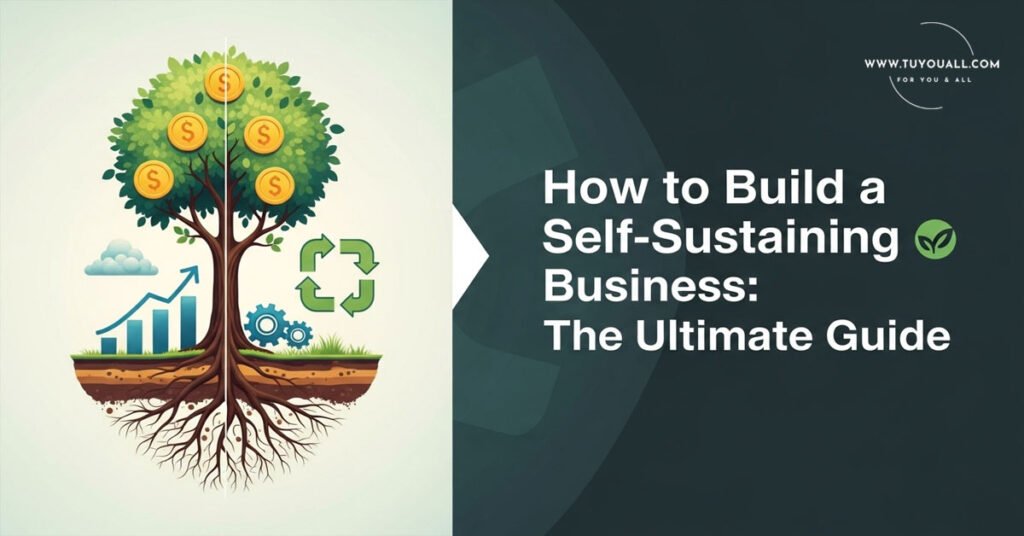
Step 4: Build a Machine That Runs Without You
This is where most entrepreneurs fail. They build everything around themselves. A true business operates through systems, teams, and processes—not your personal presence.
The 6 Types of Business People: Which One Are You?
Not everyone should start a business immediately. Basesh Gala identifies six categories of people in the business ecosystem. Knowing where you stand is crucial before making your next move:
| Type | Description | Best Path Forward |
| Classic Employee | Works for salary, increments, and security | Perfectly valid—choose visionary companies |
| Hanuman Ji Employee | Powerful employee in a visionary company (like Sundar Pichai at Google) | Can become crorepati through stock options without starting a business |
| Wanna-Be Entrepreneur | “Researching,” “figuring it out,” staying “cool” for years | Warning: Don’t waste 5 years planning—start small or stay employed |
| Freelancer | Gig economy worker—content creators, web designers | Good stepping stone, but not scalable alone |
| Ramu Kaka (Self-Employed) | Does everything themselves—signs checks, meets customers, handles taxes | Trap: Worse than employment—no Sundays, no guaranteed income |
| True Entrepreneur | Earns profit and cash flow through systems that work without them | The Goal: Build systems, scale, and eventually become an investor |
The Millionaire Myth Busted
Here’s something you’ve never heard before: “If you want to be a millionaire, do business” is WRONG.
“If you want to be a millionaire, do smart investments.” — Basesh Gala
Robert Kiyosaki said it in Cashflow Quadrant: Whether you’re an employee, self-employed, or businessman—you won’t become wealthy until you learn to save and invest smartly. A ₹30,000 salary earner can become a crorepati in 20 years through disciplined SIPs, while many “business owners” remain broke because they never learned investing.
For Example: Basesh Gala himself runs five companies (retail, manufacturing, D2C brand, coaching/consulting, NGO) but has also invested in 40+ startups and is bringing 16 companies to IPO this year. Now he’s an investor—the ultimate goal.
The Evolution: From Ekalavya to Krishna (Zero to 1000 Crore Roadmap)
Ready for the complete journey? Here’s how to go from nothing to building a business empire:
Phase 1: Ekalavya Mode (Zero Capital Learning)
No money? No mentors? No problem. Become Ekalavya—the self-taught warrior from the Mahabharata who learned from watching.
- Learn from YouTube, podcasts, and free resources
- Work a 9-to-5 job in your field of interest while saving money
- Study your industry during weekends and evenings
“If you think you don’t need to work, don’t need savings, and just need to press a button to get Shark Tank funding—forget it. Nothing will happen.” — Basesh Gala
Phase 2: Ram Phase (Building Foundation)
Lord Ram had everything but still spent 14 years in exile. Similarly, once you have some savings and knowledge:
- Build your personality and reputation—become someone people trust
- Create powerful friendships (your “Lakshman”)—people who believe in your character
- Start small, handle everything yourself initially
Critical Insight: If you can’t make 2-3 good friends, impress 2 teachers, or earn your family’s trust by age 20, how will you impress customers or investors?
Phase 3: Access Government Support (Collateral-Free Funding)
The government offers incredible support—if you’re willing to work for it:
| Scheme | Benefit | Best For |
| PM Mudra Yojana | ₹10,000 to ₹10 lakh collateral-free loans | Small business starters |
| CGTMSE (SIDBI) | Up to ₹10 crore collateral-free loans | Manufacturing units |
| Startup India / Atal Incubation | ₹1 crore funding + office space + mentorship network | Innovative startups |
| Private Incubators (like RiseX) | ₹1-11 lakh grant funding + 1-year mentoring | Early-stage entrepreneurs |
“Don’t expect Modi Chacha to land in a helicopter with money. You must work, grind, and prove yourself. This isn’t your birthright—it’s earned through effort.” — Basesh Gala
Phase 4: Build Product & Initial Systems
Once you have funding:
- Create your product or service
- Generate initial profit
- Start building basic teams and systems
Phase 5: The Critical Shift—From Ramayana to Mahabharata
This is where 90% of entrepreneurs get stuck. Basesh Gala uses epic mythology to explain:
The Ramayana Model (Where Most Stuck):
- You fight every battle yourself (like Ram fighting Ravan)
- You personally handle customers, operations, and crises
- You have help (Hanuman/team) but you’re still in the battlefield
The Mahabharata Model (True Entrepreneurship):
- You become Krishna—the strategist and guide
- You deploy five Pandavas (five departments) to fight
- You enjoy life while monitoring data and providing vision
The Five Pandavas of Your Business:
| Pandava | Department | Role |
| Arjuna | Sales | Focused only on targets—no distractions |
| Bheem | Operations | Strong, problem-solving execution |
| Yudhishthir | Finance/Admin | Discipline, compliance, timely payments |
| Nakul | Marketing | Smart, presentable brand building |
| Sahadev | Partnerships & Innovation | Vendor relationships, new markets, funding |
“Five Pandavas will run the company, and you just study data. You only need to drive the chariot, not fight the war.” — Basesh Gala
The Equity Mindset: Why share 40% and keep 60% instead of owning 100% of a small pie? Mukesh Ambani owns less than 50% of Reliance—because when you distribute, you grow. A 1kg cake eaten alone versus a 1000kg cake shared—what’s better?
The Survival Test: Will Your Business Last 5 Years?
Basesh Gala offers a 2-minute test to predict your business survival:
✅ You WILL survive if:
- Employees under 25 want to work with you
- Customers under 25 want to buy from you
- Your own children want to join the business
❌ You WILL struggle if:
- Your employees are all 45+ (they’ll retire, and youth won’t join you)
- Your customers are all 40+ (the next generation won’t connect with you)
- Young people see your business as outdated
The Youth Connection is Non-Negotiable. Today’s 25-year-old will be 35 in ten years—with credit card culture, different spending habits, and zero loyalty to traditional businesses. If they don’t see value in you now, they never will.
Future-Proof Businesses: The A-B-C-D-E-F-G Formula
What businesses will thrive in the next 5-10 years? Basesh Gala breaks it down:
| Letter | Business Category | Why It Will Boom |
| A | AI & Tech | Anything AI-related—prompt engineering, semiconductor chips, automation |
| B | Blockchain/Web 3.0 | Beyond crypto—secure payments, file sharing, internet security |
| C | Casual Consumption | ₹500 shirts, ₹100 pizzas, affordable fast food—quick, forgettable, low-commitment spending |
| D | Data | “Data doesn’t lie”—businesses without data analytics will die |
| E | Entertainment | Emotional, experience-based entertainment (concerts, IPL, spiritual events) |
| F | Finance | Financial education, SIPs, insurance, wealth management—massive knowledge gap exists |
| G | God & Spirituality | Religion, astrology, vastu, reiki—anything connecting people to faith |
“If you pick any of these and apply my formula—find the gap, add value, create profit, build systems—you will make fortunes.” — Basesh Gala
Practical Growth Hacks for Existing Businesses
Restaurant Business
- Launch Happy Hours (Monday-Thursday, 2-4 PM) — Indians love value
- Create ONE Hero Product — Become known for something specific (like Amrut Pav Bhaji or Rameshwaram Cafe’s dosa)
- Innovate every 2-3 years — Change vibe, menu, experience (80% restaurants close within 2 years due to stagnation)
Retail Shop (Clothes/Shoes)
The Collaboration Strategy: Form a group of 10 non-competing shop owners (different cities) and purchase jointly. A single shop gets 20% margin; 10 shops together get 50% margin. Plus, share knowledge about trends across regions.
“This is the era of collaboration, not competition. Alone, you can do nothing.” — Basesh Gala
Street Food/Tea Stall
- Create a vibe/style — Dolly Chaiwala didn’t just sell tea; he sold an experience
- Leverage Instagram/Reels — Your best friend for creating FOMO
- Scale through training — Don’t make every plate yourself; train others
Gym/Fitness Center
- Post success stories relentlessly — Before/after transformations build trust
- Hire specialists — Dieticians, physiotherapists for recovery
- Pick a niche — General gyms struggle; specialized recovery/rehab centers thrive
- Sell supplements on-site — Protein, brown rice, peanut butter (convenience + margin)
Team Building: The STAR Formula
Hiring the right people is everything. Use the STAR framework:
| Letter | Quality | What to Look For |
| S | Skill (or Learnability) | Can they do the job OR quickly learn? |
| T | Team Player | No “lone wolves”—collaboration is essential |
| A | Attitude | Positive, values-aligned with your company |
| R | Ready to Grind | Willing to work Saturdays, prove themselves initially |
The Growth Ladder: Analyst → Associate Manager → Manager → VP → Director → Partner (with equity). Even a bathroom cleaner can become a store manager—if you provide the platform.
“People don’t just come for money. They come for love, respect, and growth. Give them training, dignity, and a path upward— they’ll never leave.” — Basesh Gala
Warning: Your oldest, most loyal employee (your “Katappa”) can become your biggest enemy if you stop training them. Insecurity sets in, they block new talent, and eventually betray you (like Katappa killed Baahubali). Keep training everyone continuously.
FAQ: Your Burning Questions Answered
Q1: Can I start a business with zero rupees?
Absolutely. PC Mustafa started iD Fresh with ₹25,000 borrowed money. Dolly Chaiwala started with a basic stall. The key isn’t capital—it’s spotting gaps and adding value. Use the PM Mudra scheme for collateral-free loans once you have a basic track record.
Q2: What’s the difference between a businessman and an entrepreneur?
A businessman (Ramu Kaka) works IN the business—opens shutters, handles customers, signs checks. An entrepreneur builds SYSTEMS that work without them, focuses on future strategy, and eventually becomes an investor. Radhakishan Damani (DMart) is an entrepreneur; a single supermarket owner is a businessman.
Q3: Why do Marwaris and Gujaratis dominate business?
Three factors: (1) Struggle DNA — Desert origins forced them to migrate and hustle; (2) Business environment — Dinner table conversations about margins, property, and investments from age 6; (3) Risk appetite — They can absorb 10-crore losses and bounce back in 3 days. However, this is changing—modern youth from all communities can adopt these mindsets.
Q4: Should I quit my job to start a business?
Not necessarily. If you’re in a visionary company, becoming a “Hanuman Ji Employee” (powerful executive) can make you a crorepati through stock options. Only start a business if you can handle: 5 years of struggle, sleepless nights, public insults, doing all rough work initially, predicting market trends, rapid adaptation, and building teams.
Q5: How do I retain top talent if I can’t pay market salaries?
Vision + Reputation + Growth Path. Deepinder Goyal (Zomato) once tweeted for a secretary willing to PAY ₹20 lakh to work with him (unpaid for 2 years). Thousands applied, many from small towns willing to sell land. People join futures, not just salaries. Create success stories of people who grew with you.
Q6: What’s the biggest mistake killing traditional businesses?
Refusing to evolve. No data tracking, no youth connection, no innovation, no systems. When DMart, Amazon, Blinkit, and quick-commerce surround you with technology and funding, how will you compete? Either stay tiny (solo operator) or scale big with systems—the middle is dying.
Conclusion: Your Journey from Worker to Wealth Creator
Building a business isn’t about being the smartest person in the room. It’s about:
- Spotting gaps that others miss
- Adding unique value that makes you different
- Creating profit sustainably and ethically
- Building systems so you’re not the bottleneck
- Transitioning from Ramayana to Mahabharata—from fighter to strategist
- Becoming an investor who multiplies wealth through others’ efforts
The choice is yours: 1kg cake eaten alone, or 1000kg cake shared?
India’s biggest strength isn’t just its market size—it’s blessings. Build ethically, help others grow, stay connected to your roots, and success follows.
What’s one gap you’ve noticed in your market that nobody is addressing properly? Think about it tonight—that might be your 1000-crore opportunity.
Source & Credit
This blog post is based on insights from Basesh Gala‘s YouTube interview on the Deep Cast podcast channel. Basesh Gala is a renowned business coach who has trained lakhs of entrepreneurs and helped scale numerous businesses across India.
The original content has been translated, expanded, and repurposed for educational purposes.
All mythological references and business examples retain their original intent as shared by the creator.