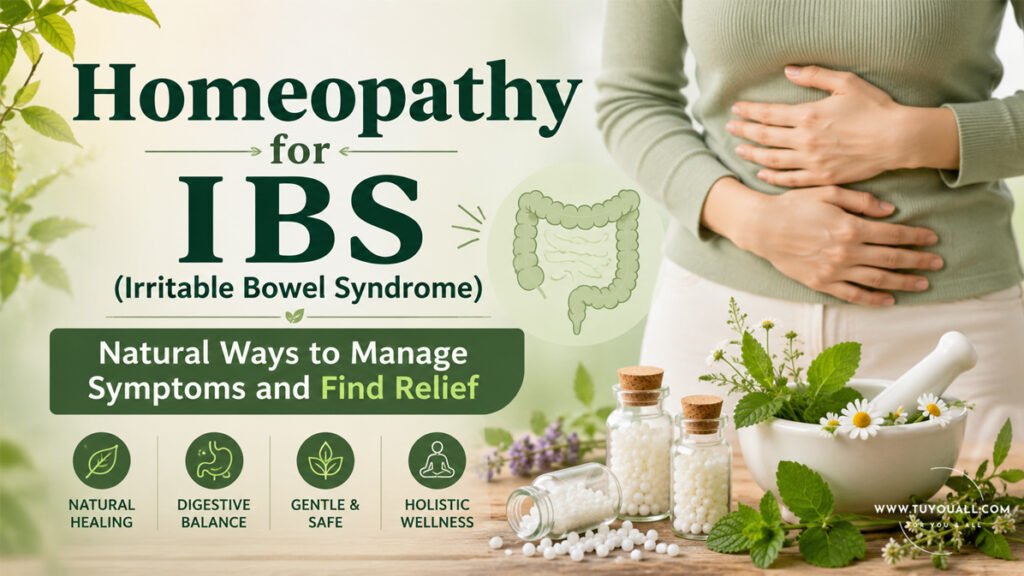
Struggling With IBS? Learn About Natural Homeopathy for IBS (Irritable Bowel Syndrome) Remedies, Dietary Changes, And Stress Management To Regain Control Of Your Digestive Health.
Introduction: When Your Gut Just Won’t Cooperate
Have you ever had that feeling where your stomach is in knots, you’re rushing to the bathroom, and you have no idea what triggered it? Maybe it happened right before a big presentation. Or perhaps it’s a daily struggle that makes you dread leaving the house.
If this sounds familiar, you might be dealing with Irritable Bowel Syndrome (IBS) .
IBS is one of those conditions that affects millions of people worldwide—an estimated 10 to 15 percent of the global population. Yet, for something so common, it remains widely misunderstood. The good news? There are many ways to manage it naturally, and homeopathy offers some interesting options worth exploring.
Let’s break down what IBS really is, what it feels like, and how you can take control of your symptoms—without feeling overwhelmed.
What Exactly Is Irritable Bowel Syndrome?
Think of IBS as a communication problem between your brain and your gut. Doctors now call it a “disorder of gut-brain interaction” —which is just a fancy way of saying your digestive system and your nervous system aren’t quite on the same page.
Here’s what that means in plain English:
- Your gut may be extra sensitiveto things like gas or food moving through it
- Your brain might overreactto normal digestive signals
- Stress and emotions can make symptoms worse
IBS is what doctors call a “functional” disorder. That means your intestines look perfectly normal on scans and tests—they just don’t work the way they should. And importantly, IBS does not cause bowel damage or increase your risk of bowel cancer.
The Most Common IBS Symptoms
So how do you know if what you’re experiencing is IBS? The hallmark symptoms include:
- Recurrent abdominal painor cramping
- Changes in bowel habits—diarrhea, constipation, or both
- Bloatingthat gets worse as the day goes on
- A feeling of reliefafter passing stool
The pain is often linked to bowel movements—it might get better or worse depending on when you go. Some people also experience:
- A sense of incomplete evacuation
- Mucus in the stool
- Urgency (that sudden, gotta-go-now feeling)
The Three Main Types of IBS
Doctors classify IBS based on your dominant bowel pattern:
| Type | What It Means | Common Symptoms |
| IBS-D | Diarrhea-predominant | Loose or watery stools, urgency, frequent bathroom trips |
| IBS-C | Constipation-predominant | Hard or lumpy stools, straining, infrequent bowel movements |
| IBS-M | Mixed type | Alternating between diarrhea and constipation |
What Causes IBS? (And Why It’s Not “All in Your Head”)
For years, people with IBS were told their symptoms were imaginary. Nothing could be further from the truth. The pain is real. The frustration is real. And the causes are complex.
Here are some of the known contributing factors:
1. Gut-Brain Miscommunication
Your gut has its own nervous system (called the enteric nervous system). When stress or anxiety disrupts the signals between your brain and your gut, symptoms flare up. This is why IBS often gets worse during stressful periods.
For example:
Have you ever felt nauseous before a job interview or had an urgent bathroom trip before an exam? That’s your gut-brain axis in action.
2. Visceral Hypersensitivity
People with IBS have a lower pain threshold in their gut. Normal amounts of gas or movement that most people don’t even notice can cause significant pain in someone with IBS.
3. Post-Infectious Changes
About 20 percent of IBS cases develop after a bacterial or viral infection like gastroenteritis. The infection can leave lasting changes in the gut microbiome and immune system.
4. Stress and Mental Health
This is a big one. Studies show that up to 40 to 50 percent of IBS patients also struggle with anxiety or depression. And the relationship goes both ways—IBS can make anxiety worse, and anxiety can make IBS worse. It’s a vicious cycle.
Conventional Approaches to IBS Management
Before we dive into homeopathy, let’s look at what standard medical care typically involves.
Diagnosis
Doctors usually diagnose IBS using the Rome criteria, which focus on recurrent abdominal pain linked to bowel habits. They’ll also run some basic tests like:
- Complete Blood Count (CBC)
- C-reactive protein (CRP) or ESR (inflammation markers)
- Stool routine
- Celiac serology (especially for IBS-D)
If you have “alarm features” like unexplained weight loss, rectal bleeding, or family history of bowel cancer, your doctor will do additional testing.
Treatment Options
Conventional treatment focuses on symptom management:
- Dietary changes(especially the low FODMAP diet)
- Stress managementand psychological therapies
- Medicationstailored to your subtype:
- For constipation: fiber supplements, osmotic laxatives
- For diarrhea: loperamide, antispasmodics
- For pain: neuromodulators, antidepressants
Homeopathy for IBS: A Natural, Individualized Approach
This is where things get interesting. Homeopathy takes a completely different approach to IBS—one that focuses on your unique symptom pattern rather than just the disease label.
Homeopathy is based on the principle of “like cures like”—using highly diluted substances that would cause similar symptoms in a healthy person to trigger the body’s own healing response.
Research suggests that homeopathic treatment may work by:
- Modulating gut-brain interactions
- Influencing the immune system response
- Reducing visceral sensitivity
A double-blind randomized trial found that individualized homeopathic medicines acted significantly better than placebos in treating IBS. Another study reported significant improvement in IBS Symptom Severity Scores with homeopathy.
The key principle? Individualization. Two people with IBS may receive completely different homeopathic remedies based on their specific symptoms, triggers, and even personality traits.
Homeopathic Remedies for IBS: Matching Your Symptoms
Here are some of the most commonly used homeopathic remedies for IBS, along with the symptom patterns they typically address:
1. Nux Vomica 30 – For Stress-Induced, Constipation-Predominant IBS
This is one of the most popular remedies for IBS, especially when stress and a sedentary lifestyle are major triggers.
When it fits:
- You’re irritableand easily frustrated
- You have a constipation-predominantpattern
- You feel a constant urge to move your bowels, but only small amounts come out
- You crave spicy foods, coffee, alcohol, or tobacco—and feel worse after having them
- You experience crampingthat improves with firm pressure on the abdomen
For example:
A busy executive who works long hours, drinks too much coffee, feels constantly stressed, and struggles with constipation that just won’t budge—this person might benefit from Nux Vomica.
2. Argentum Nitricum 30 – For Anticipatory Diarrhea and Performance Anxiety
This remedy is a lifesaver for people whose IBS is triggered by anticipation and nervousness.
When it fits:
- You get diarrhea before exams, interviews, or important events
- You’re anxiousand impulsive by nature
- You experience bloating, rumbling gas, and sudden, intense diarrhea
- You may crave sweets or salty foods
- Symptoms can come on immediately after drinking water
For example:
A college student who always gets diarrhea before exams—even when they know the material cold—might find Argentum Nitricum incredibly helpful.
3. Aloe Socotrina 30 – For Urgent, Explosive Diarrhea
When diarrhea strikes with overwhelming urgency, Aloe Socotrina is often the remedy of choice.
When it fits:
- You experience sudden, urgent diarrhea
- You have a feeling of insecurity in the rectum—like you can’t trust your bowels
- There may be gurglingand rumbling in the abdomen before the stool passes
- You might feel weak or exhaustedafter an episode
For example:
Someone who can’t make it through a morning meeting without multiple urgent trips to the bathroom—and feels like they can never quite relax—might benefit from this remedy.
4. Colocynthis 30 – For Severe Cramping Pain
This is the go-to remedy when pain is the dominant symptom.
When it fits:
- You have sharp, cutting, cramping painsin the abdomen
- The pain makes you bend doubleor lie down with pressure on your belly
- Pressure and bending over bring relief
- Pain is often worse before diarrhea
- Symptoms may be triggered by anger or indignation—especially when you’ve held it in
For example:
Someone who gets doubled-over cramping after a frustrating argument with a coworker might respond well to Colocynthis.
5. Lycopodium 200 – For Bloating and Alternating Bowel Habits
Lycopodium is famous for addressing bloating—especially when it gets worse as the day goes on.
When it fits:
- Bloating is worse between 4–8 PM
- You have alternating diarrhea and constipation
- You may experience right-sided abdominal pain
- Tight clothing around the waist feels unbearable
- You crave sweetsbut feel worse after eating them
- You may also have heartburnor a band-like pain around the waist
For example:
Someone who feels fine in the morning but by dinnertime is so bloated they can’t button their pants—and whose bowel habits are completely unpredictable—might benefit from Lycopodium.
6. Asafoetida 30 – For Hysterical Bloating and Reverse Peristalsis
This lesser-known remedy is incredibly useful for a very specific symptom pattern.
When it fits:
- You have severe bloatingwith a feeling that gas is trapped
- You experience reverse peristalsis—a sensation that things are moving in the wrong direction
- You may feel like a lump is moving up from the stomachor a bubble is stuck in the throat
- There’s often a strong emotional or “hysterical” elementto your symptoms
- You find it hard to pass gas in either directionfor relief
For example:
Someone whose bloating is so extreme they look pregnant, who feels like everything is stuck, and whose symptoms seem to worsen with emotional distress—this person might respond to Asafoetida.
7. Sulphur 200 – For Early Morning Diarrhea
Sulphur is often indicated when diarrhea wakes you up at an ungodly hour.
When it fits:
- You’re woken early in the morning(around 5 AM) by a sudden urge for diarrhea
- You may have multiple episodesthroughout the day
- At other times, you might be constipatedwith foul-smelling gas
- You may experience itching, burning, or irritationaround the rectum
- You tend to have poor postureand feel worse from standing too long
For example:
Someone who can’t sleep past 5 AM without rushing to the bathroom—and who feels generally messy, disorganized, and uncomfortable—might benefit from Sulphur.
Quick Reference Table: Homeopathic Remedies for IBS
| Remedy | Best For | Key Symptoms | Dosage | Duration |
| Nux Vomica 30 | Stress-induced, constipation-predominant IBS | Irritability, constipation, cravings for stimulants, pain relieved by pressure | 4 pills × TDS | 2–weeks |
| Argentum Nitricum 30 | Anticipatory diarrhea | Diarrhea before events, anxiety, bloating, sweet cravings | 4 pills × TDS | As needed |
| Aloe Socotrina 30 | Urgent, explosive diarrhea | Sudden urgency, insecure rectum, gurgling abdomen | 4 pills × QID | 5 Days |
| Colocynthis 30 | Severe cramping pain | Doubled-over pain, relief from pressure, triggered by anger | 4 pills × TDS | As needed |
| Lycopodium 200 | Bloating, alternating habits | Bloating worse 4–8 PM, right-sided pain, sweet cravings, tight waistband | 4 pills | Weekly |
| Asafoetida 30 | Hysterical bloating | Trapped gas, reverse peristalsis, emotional component | 4 pills × TDS | As needed |
| Sulphur 200 | Early morning diarrhea | 5 AM urgency, burning rectum, alternating constipation | 4 pills | Weekly |
Note: BD = Twice daily | TDS = Three times daily | QID = Four times daily
The Low FODMAP Diet: A Game-Changer for IBS
Diet plays a huge role in managing IBS, and the low FODMAP diet is one of the most effective dietary approaches available.
What Are FODMAPs?
FODMAP stands for Fermentable Oligo-saccharides, Disaccharides, Mono-saccharides, and Polyols. These are short-chain carbohydrates that are poorly absorbed in the small intestine.
Here’s what happens: When FODMAPs reach your colon, they:
- Absorb water(which can cause diarrhea)
- Ferment rapidly(which produces gas and causes bloating)
For people with IBS, these normal processes can trigger significant symptoms.
High-FODMAP Foods to Avoid
During the elimination phase, you’ll want to limit:
- Vegetables:Garlic, onions, artichokes, asparagus, cauliflower, mushrooms
- Fruits:Apples, apricots, avocados, cherries, peaches, pears, watermelon
- Grains:Wheat, rye, barley-based products
- Dairy:Milk, ice cream, yogurt (lactose-containing)
- Legumes:Beans, lentils, chickpeas
- Sweeteners:Honey, molasses, high-fructose corn syrup, sugar alcohols
Low-FODMAP Foods You Can Eat
During the elimination phase, these are generally safe:
- Vegetables:Carrots, cucumber, green beans, lettuce, tomatoes
- Fruits:Cantaloupe, grapes, oranges, pineapple, strawberries
- Grains:Oats, corn flakes, gluten-free breads, rice cakes
- Dairy:Lactose-free milk, brie, feta, almond milk
- Protein:Poultry, fish, eggs, lean beef, firm tofu
How to Follow the Low FODMAP Diet
The diet works in three phases:
- Elimination (2–6 weeks):Cut out all high-FODMAP foods
- Reintroduction:Add back one food group at a time to identify your triggers
- Personalization:Create a long-term diet that avoids your trigger foods
Important: Always work with a healthcare provider or registered dietitian when trying this diet. It’s restrictive and can lead to nutrient deficiencies if not done properly.
Stress Management: The Missing Piece of the Puzzle
Remember that gut-brain connection we talked about? Stress management isn’t optional for IBS—it’s essential.
Here are some proven strategies:
1. Regular Physical Activity
Exercise improves global IBS symptoms. Even moderate activity like walking, yoga, or cycling can make a difference.
2. Cognitive Behavioral Therapy (CBT)
CBT helps you identify and change thought patterns that contribute to stress and symptom flare-ups.
3. Gut-Directed Hypnotherapy
This specialized therapy has shown impressive results for IBS, with effectiveness similar to the low FODMAP diet.
4. Mindfulness and Meditation
Simple breathing exercises or meditation can calm your nervous system and reduce gut sensitivity.
When to See a Doctor
While IBS is manageable, certain symptoms require immediate medical attention. See your doctor if you experience any alarm features:
- Unexplained weight loss
- Rectal bleeding or blood in stool
- Anemia (low iron)
- Nocturnal diarrhea (waking you from sleep)
- Fever
- Family history of bowel cancer or inflammatory bowel disease
- Onset of symptoms after age 50
These symptoms could indicate something more serious and need proper evaluation.
Putting It All Together: Your IBS Action Plan
Living with IBS doesn’t mean living in fear of your next flare-up. Here’s a step-by-step approach:
Step 1: Get a Proper Diagnosis
Work with your healthcare provider to confirm IBS and rule out other conditions.
Step 2: Identify Your Triggers
- Keep a food and symptom diary
- Consider trying the low FODMAP dietwith professional guidance
- Notice stress patterns—when do symptoms flare?
Step 3: Explore Your Treatment Options
- Discuss conventional medicationswith your doctor
- Consider homeopathic remediesthat match your symptom pattern
- Explore psychological therapieslike CBT or hypnotherapy
Step 4: Make Lifestyle Changes
- Incorporate regular physical activity
- Practice stress managementtechniques
- Prioritize sleepand hydration
Step 5: Follow Up
- Schedule follow-up appointments(typically 2–4 weeks) to assess progress
- Adjust your treatment plan as needed
Frequently Asked Questions About IBS
Q1: Is IBS a serious condition?
IBS is not life-threatening and does not increase your risk of bowel cancer. However, it can significantly impact quality of life. With proper management, most people achieve good symptom control.
Q2: Can homeopathy really help with IBS?
Research suggests that individualized homeopathic treatment may help alleviate IBS symptoms through modulation of gut-brain interactions and immune response. A double-blind trial found homeopathic medicines acted significantly better than placebos. However, more large-scale studies are needed.
Q3: What’s the difference between IBS and IBD?
IBS (Irritable Bowel Syndrome) is a functional disorder—the bowel looks normal but doesn’t work properly. IBD (Inflammatory Bowel Disease) like Crohn’s or ulcerative colitis involves visible inflammation and damage to the bowel. They are completely different conditions.
Q4: How long does it take for dietary changes to help IBS?
With the low FODMAP diet, many people notice improvement within the first week of elimination. The full elimination phase typically lasts 2–6 weeks before reintroduction begins.
Q5: Can stress really cause IBS symptoms?
Absolutely. Stress is one of the most common triggers for IBS flare-ups. The gut and brain communicate bidirectionally, so stress can directly affect gut function, and gut symptoms can increase stress.
Q6: How do I know which homeopathic remedy is right for me?
Homeopathic remedies are chosen based on your specific symptom pattern—not just the diagnosis. A qualified homeopath will consider your physical symptoms, emotional state, triggers, and overall constitution before recommending a remedy.
Final Thoughts: You’re Not Alone
If you’re living with IBS, it’s easy to feel isolated. But the truth is, millions of people around the world are on the same journey. And while there’s no one-size-fits-all solution, there are many paths to relief.
Whether you choose conventional medicine, homeopathy, dietary changes, or a combination approach, the key is to stay patient and keep experimenting. What works for one person might not work for another—and that’s okay.
Your symptoms are real. Your frustration is valid. And with the right support and strategies, you can find relief and regain control of your life.
Disclaimer:
This article is for informational purposes only and does not constitute medical advice. Always consult with a qualified healthcare provider before starting any new treatment, including homeopathic remedies or dietary changes. Homeopathic remedies should be taken under the guidance of a qualified practitioner.