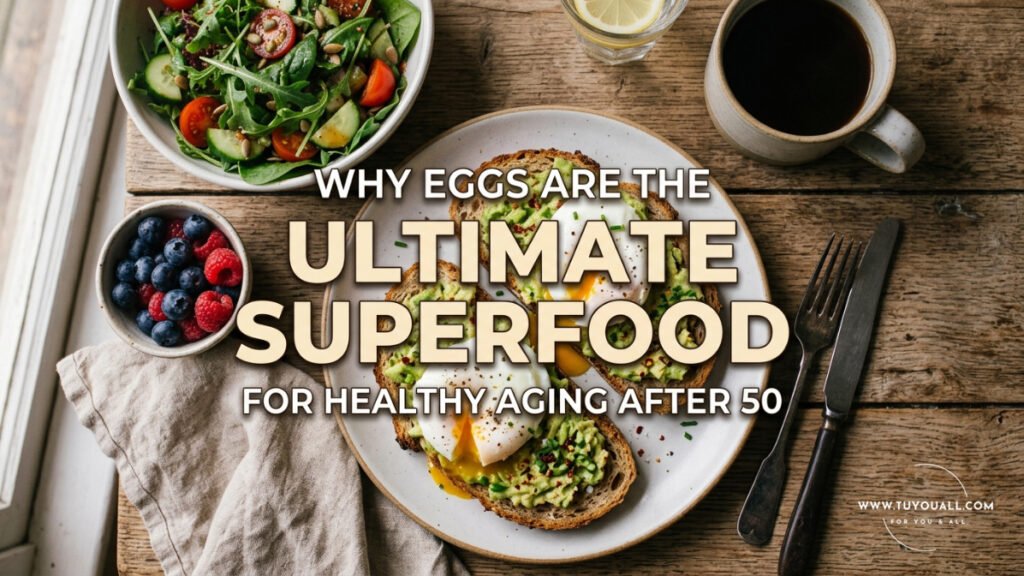
Discover ‘Eggs For Healthy Aging After 50’ – eating 3–4 daily boosts brain health, muscle strength, bone density, and mood. Science-backed benefits for healthy aging.
Introduction: The Kitchen Secret That Changes Everything
Imagine waking up with aching knees, foggy memory, and that sinking feeling that age is winning. Now, what if I told you the simplest, cheapest, and most powerful answer is already sitting in your kitchen? Yes, I’m talking about eggs.
But this isn’t just another “eat eggs, stay healthy” article. Today, I’m sharing the scientific truths that most people don’t know—truths that have been misunderstood for over 40 years, and truths that can completely transform your life after 50.
Does eating 4 eggs daily raise cholesterol? Does it harm your heart? What actually happens to your brain, muscles, eyes, and bones? And most importantly—is it safe at 50, 55, or 60? This article answers all these questions. Plus, at the end, I’ll reveal benefits of eggs that almost nobody talks about, and they’re especially crucial for those over 50.
The Cholesterol Myth: Why Science Finally Got It Right
What Cholesterol Actually Is
If you’re over 50, you probably remember doctors saying: “Don’t eat eggs—they raise cholesterol and weaken your heart.” We got scared. We cut back. Some stopped entirely. But in 2024, science has declared: that fear was wrong.
Cholesterol isn’t the enemy. It’s a waxy substance found in every cell of your body. Your brain is made of cholesterol. Your hormones are built from it. Even Vitamin D—which keeps your bones strong—is synthesized from cholesterol. Cholesterol is your friend, not your foe.
How Your Body Balances Cholesterol
Here’s the clever part: your liver produces cholesterol naturally. When you eat cholesterol from foods like eggs, your liver reduces its own production to maintain balance. Eating eggs doesn’t cause a cholesterol overload.
Research shows that daily egg consumption actually:
- Increases HDL (Good Cholesterol) — keeps arteries clean
- Changes LDL shape — transforms harmful small, dense particles into large, fluffy ones that don’t damage arteries
“The real damage comes from small, dense LDL particles—and eggs don’t create those.” —
Important Note: If you have existing heart disease, diabetes, or your doctor has specifically restricted eggs, please consult them first. This information is for generally healthy adults.
Muscle Power: The Complete Protein Your Body Craves
Biological Value: Why Eggs Win
When we think protein, we imagine chicken, beef, or paneer. But do you know where the most usable protein is found? In eggs.
Biological Value (BV) measures how much protein your body can actually use:
| Food | Biological Value |
| Chicken | 79 |
| Beef | 80 |
| Soy | 74 |
| Eggs | 100 |
Eggs are literally the most complete protein source. Zero waste. Zero leftovers. Everything goes to work in your body. Why? Because an egg is nature’s masterpiece—it contains everything needed to start a new life: every amino acid, every building block.
Fighting Muscle Loss After 50
After 40, we lose 1-2% muscle mass every year. This silent condition is called sarcopenia. It happens quietly—no pain, no warning. When muscles shrink:
- Knees weaken
- Walking becomes harder
- Balance falters
- Fall risk increases
- Metabolism slows
- Weight creeps up
The good news? This process can be slowed. Eggs contain leucine, an amino acid that acts like a master switch. When you eat leucine, it signals your body: “Build muscle. Repair. Stay strong.” Four eggs provide abundant leucine. Daily intake slows muscle loss, keeps you more active, and makes life feel freer.
For Example:
Rajesh, 62, started eating 3 eggs for breakfast daily. Within 3 months, he noticed climbing stairs felt easier, and his morning stiffness reduced significantly. His doctor was impressed by his improved muscle tone during a routine checkup.
Stable Energy: No More Blood Sugar Roller Coasters
The Breakfast Trap
What do you eat for breakfast? Bread? Biscuits? Poha? Then 2 hours later—hunger strikes, fatigue sets in, and your brain stops working. Why?
Most breakfast foods spike your blood sugar rapidly, then crash it just as fast. This is the blood sugar spike-and-crash cycle:
- Eat bread → Sugar rises
- Insulin releases → Sugar drops
- Hunger returns → Fatigue and irritation follow
This cycle repeats endlessly, draining your energy and focus.
How Eggs Fix This
Eggs provide slow-release energy through their protein and fat combination. No spikes. No crashes. Just steady, focused energy for 4-6 hours.
People who eat eggs for breakfast report:
- Delayed hunger
- Clearer thinking
- Better mood
After 50, this becomes even more critical because blood sugar regulation naturally weakens with age. Eggs—a low-glycemic, high-protein breakfast—handle this problem naturally.
For Example:
Meena, 58, switched from toast to 2 boiled eggs for breakfast. She found she wasn’t reaching for mid-morning snacks anymore, and her afternoon energy slump disappeared completely. Her HbA1c levels improved at her next diabetes screening.
Borderline diabetes or blood sugar concerns? This information is gold for you—but always consult your doctor first.
Brain Fuel: Choline—The Nutrient Nobody Talks About
Why Your Brain Needs Choline
Does this sound familiar?
- Forgetting names mid-conversation
- Losing track while working
- Thinking slower than before
If yes, this section is crucial. Your brain—your body’s most important organ—is 60% fat. It needs specific nutrients to function. The most critical? Choline.
Very few people know about choline, but it:
- Builds memory
- Keeps brain cells connected
- Stabilizes mood
- Slows dementia and cognitive decline
Eggs: The Richest Natural Source
The egg yolk is the richest natural source of choline. One egg contains approximately 147 mg of choline. Adults need 425-550 mg daily. So 3-4 eggs cover your daily choline requirement.
Additionally, eggs contain:
- Phospholipids — build brain cell walls
- Omega-3 fatty acids — reduce brain inflammation
Research shows that people who regularly eat choline-rich foods experience slower cognitive decline. After 50, brain health should be your top priority—and eggs genuinely help.
Eye Protection: Your Natural Sunglasses
Lutein and Zeaxanthin: The Dynamic Duo
This section is for everyone who stares at mobile screens, TVs, or computers—meaning, all of us today.
Egg yolks contain two powerful antioxidants: Lutein and Zeaxanthin. Remember these names—they’re among the most important nutrients for eye health.
How They Protect Your Vision
- Natural Blue Light Filter: They accumulate in your retina and act like internal sunglasses, filtering harmful blue light from screens.
- UV Protection: Shield eyes from UV radiation damage.
- AMD Prevention: Protect against Age-related Macular Degeneration (AMD), where central vision weakens after 50. This condition is extremely common, and lutein/zeaxanthin are scientifically proven to help prevent it.
- Better Night Vision: Improve low-light vision—crucial for night driving.
- Cataract Risk Reduction: Daily egg consumption lowers cataract (motiyabind) risk, which is very common at 50-60.
For Example:
Suresh, 65, a retired accountant who spent hours on his tablet, noticed his eyes felt less strained after adding 2 eggs daily to his diet. His ophthalmologist confirmed his macular pigment density had improved at his annual checkup.
Bone & Hormone Health: The Hidden Strength
Building Stronger Bones After 50
After 50, bones weaken rapidly. In women, post-menopause bone density drops sharply. In men, declining testosterone weakens both bones and muscles. This silent disease—osteoporosis—shows no pain, no warning. One day, a minor fall, and a bone breaks.
How Eggs Help
- Vitamin D: Egg yolks contain natural Vitamin D, essential for calcium absorption. Without Vitamin D, no amount of milk helps. In India, where many stay indoors, Vitamin D deficiency is extremely common. Eggs address this naturally.
- Vitamin K2: A lesser-known vitamin that directs calcium to bones (not arteries). Found especially in pasture-raised eggs.
- Phosphorus: Works with calcium to build bone structure. Abundant in eggs.
Hormonal Support
Eggs contain cholesterol—the raw material for hormones like testosterone and estrogen. As age advances, hormones decline. Good nutritional foundations can slow this process. It’s not magic; it’s basic biology.
Weight Management: Eggs Are Your Ally, Not Enemy
Debunking the Fat Fear
“Eggs have fat, so they’ll make me fat.” This is a common confusion. Truth: eating fat doesn’t cause obesity. Sugar and refined carbs do. Egg fat is healthy fat that:
- Keeps you full longer
- Controls hunger
- Reduces unnecessary snacking
The Science of Satiety
Studies show that people who eat eggs for breakfast consume 400 fewer calories daily—without trying. Why? Because after eating eggs, hunger hormones don’t spike, so you don’t feel forced to eat repeatedly.
After 50, this becomes even more important because metabolism is already slowing. Eggs support metabolism through protein thermogenesis—your body burns calories just digesting protein.
For Example:
Anil, 55, replaced his sugary cereal with 3 scrambled eggs. He lost 4 kg in 2 months without changing anything else, simply because he stopped snacking between meals.
Skin, Hair & Immunity: The Beauty Benefits Nobody Mentions
Natural Anti-Aging from Within
After 50, collagen decreases, wrinkles appear, skin dries, and hair thins. What do eggs offer?
- Biotin (Vitamin B7): Essential for hair growth, nail strength, and skin elasticity. Naturally present in eggs.
- Sulfur-containing Amino Acids (Methionine, Cysteine): Directly help collagen production.
- Selenium: An antioxidant mineral that protects skin from UV damage and slows premature aging.
- Zinc: Critical for skin repair, wound healing, and immune system function.
Those spending on expensive skin creams and hair supplements should first look at their diet. One egg does so much!
Immunity & Inflammation Defense
After 50, immunity weakens, minor illnesses increase, and recovery slows. Plus, there’s chronic inflammation—the silent fire burning in joints, arteries, and brain without visible symptoms. This inflammation fuels arthritis, triggers heart disease, worsens diabetes, and accelerates brain aging.
How eggs help:
- Omega-3 fatty acids (especially in pasture-raised eggs): Anti-inflammatory, helping extinguish this chronic fire.
- Selenium & Vitamin E: Powerful antioxidants stopping free radical damage.
- Choline: Modulates inflammation in the brain.
- Zinc: Directly involved in immune cell production.
Every morning when you eat eggs, you’re literally giving your body an immunity boost. Remember: what you eat is either your medicine or your poison.
The Secret Benefit: Tryptophan and Your Happiness Hormone
The Mood-Sleep Connection
Here’s the benefit almost no YouTube video mentions: Tryptophan.
Tryptophan is an amino acid in eggs that converts in your brain to serotonin—your happiness hormone. Serotonin:
- Makes you feel peaceful
- Reduces anxiety
- Brings sleep at night
After 50, stress increases, sleep decreases, and anxiety rises. If your diet lacks tryptophan, serotonin production drops, affecting mood, sleep, and mental peace. Daily consumption of 3-4 eggs provides consistent tryptophan supply, naturally improving:
- Mood
- Sleep quality
- Mental calmness
For Example:
Lakshmi, 60, struggled with sleep and low mood after retirement. After adding 3 eggs to her morning routine, she noticed she felt more positive during the day and slept more soundly at night within just 2 weeks.
Practical Guide: Which Eggs, How to Cook, How Many
Which Eggs to Buy
| Type | Description | Quality |
| Cage Eggs | Most common, cheapest; hens in cramped spaces | Lower nutrients |
| Cage-Free Eggs | Hens roam indoors, slightly better | Moderate |
| Pasture-Raised Eggs | Best quality; hens outdoors in sunlight, natural diet | Highest Omega-3, Vitamin D, Lutein |
Can’t find pasture-raised? No problem. Regular eggs are still far more nutritious than biscuits or processed foods.
How to Cook Eggs (Best to Good)
- Boiled Eggs — Healthiest, maximum nutrient preservation
- Poached Eggs — Excellent choice
- Scrambled Eggs — Fine with a little butter
- Fried Eggs — Okay in minimal oil
Avoid: Overcooked yolks. High heat reduces lutein and zeaxanthin slightly. Soft-boiled or runny yolks are considered most nutritious—but maintain hygiene.
How Many Eggs to Eat
| Health Status | Recommended Daily |
| Healthy, normal cholesterol | 3-4 eggs — safe and beneficial |
| Diabetes, heart condition, or high LDL | Consult your doctor first |
Egg whites can be eaten more freely since all cholesterol is in the yolk.
Best Times to Eat Eggs
- Morning breakfast: Blood sugar stays stable; brain stays fresh with protein and choline
- Pre-workout: Excellent for muscle recovery
Busting Common Myths About Eggs
Myth 1: Eggs Raise Blood Pressure
Fact: Research shows eggs don’t negatively affect blood pressure. Some studies even show improvement.
Myth 2: Eat Only Egg Whites, Skip the Yolk
Fact: This is the biggest mistake. All the good nutrients—choline, lutein, Vitamin D, healthy fats—are in the yolk. Whites provide only protein. Together, they’re the perfect combination.
Myth 3: Eggs Strain the Kidneys
Fact: For healthy kidneys, 3-4 eggs daily are safe. If you have kidney disease, seek doctor guidance.
Myth 4: Raw Eggs Are More Nutritious
Fact: Raw eggs carry salmonella risk. Cooked eggs are safer, and protein absorption is actually more effective.
Myth 5: Vegetarians Can’t Eat Eggs
Fact: This is a personal and cultural choice. But for those who do eat them, eggs are incredibly valuable.
FAQ: Your Egg Questions Answered
Q1: Will eating 4 eggs daily raise my cholesterol levels?
A: For most healthy adults, no. Research shows eggs increase HDL (good cholesterol) and improve LDL particle size. However, if you have existing high cholesterol or heart conditions, consult your doctor before making dietary changes.
Q2: Is the egg yolk really necessary, or should I only eat egg whites?
A: The yolk contains the majority of nutrients—choline, lutein, zeaxanthin, Vitamin D, and healthy fats. Egg whites provide protein only. For maximum health benefits after 50, eat the whole egg unless your doctor advises otherwise.
Q3: Can I eat eggs if I have diabetes?
A: Eggs are low-glycemic and can help stabilize blood sugar. However, if you have diabetes or are pre-diabetic, consult your healthcare provider about the right quantity for your specific condition.
Q4: What’s the best way to cook eggs for maximum nutrition?
A: Boiled or soft-boiled eggs preserve the most nutrients. Avoid overcooking yolks, as excessive heat can reduce some antioxidant content. Poached eggs are also excellent.
Q5: Are expensive pasture-raised eggs worth the cost?
A: Pasture-raised eggs contain significantly more Omega-3, Vitamin D, and lutein. If budget allows, they’re worth it. But even regular eggs are far superior to processed breakfast foods.
Conclusion: Small Choices, Big Impact
Let’s recap what we’ve learned:
- Cholesterol fear was baseless — eggs raise HDL and create healthy cholesterol profiles
- Most complete protein — leucine stops muscle loss
- Stable energy — no blood sugar spikes
- Brain gets choline — better memory and focus
- Eyes get lutein & zeaxanthin — protection from screen damage
- Bones strengthen — Vitamin D and K2 support
- Weight management help — natural satiety
- Skin, hair, immunity — all improve
- Tryptophan boosts serotonin — better mood, sleep, and mental peace
All this in one small egg.
I want to honestly share something: when I meet people crossing 50, I often hear, “I’m too old now—what’s the point?” It saddens me. Because 50 doesn’t mean finished. Fifty means you have experience, wisdom, and patience. Your body just needs the right fuel. And eggs are part of that fuel—cheap, easy, natural.
Strong aging means making aging strong, not weak. You deserve an active, independent, healthy life at 60, 70, and 80. That life is built on small decisions—like what you eat for breakfast.
Start today.