Learn normal blood glucose levels, how doctors diagnose diabetes using A1C and glucose tests, and practical tips to manage your blood sugar effectively.
Understanding Normal Blood Glucose Levels: Your Complete Guide to Diabetes Testing and Management
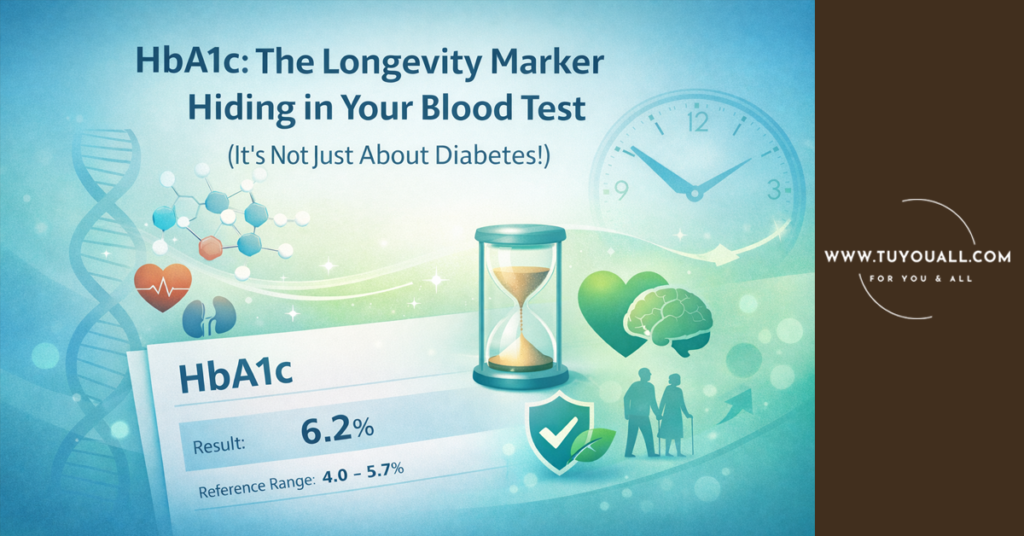
Ever looked at your blood test results and felt completely lost? You see numbers like “99 mg/dL” or “A1C 6.2%” scribbled on your chart, but what do they actually mean for your health? If you’ve ever wondered whether your blood sugar is in the safe zone or if you’re creeping toward diabetes, you’re not alone. Millions of people struggle to decode these benchmarks, and misunderstanding them can cost you your health.
The good news? Keeping tabs on your normal blood glucose levels isn’t rocket science—it’s just knowing which tests matter, what the numbers reveal, and how to take action before small problems become big ones. Whether you’re trying to prevent diabetes, newly diagnosed, or helping a loved one manage their condition, this guide breaks down everything you need to know using simple, everyday language.
What Are Normal Blood Glucose Levels?
Before diving into test tubes and lab coats, let’s get clear on what “normal” actually looks like. Your body runs on glucose—a type of sugar that fuels every single cell. Think of it like gasoline for a car. Too little, and you sputter out; too much, and you flood the engine.
Normal blood glucose levels depend on when you last ate and which test you’re taking. Here’s the breakdown:
Fasting Blood Sugar (The Morning Test)
This is the classic “no food for 8 hours” test, typically done first thing in the morning with only water and medications allowed. According to the guide, here is how doctors interpret your fasting results:
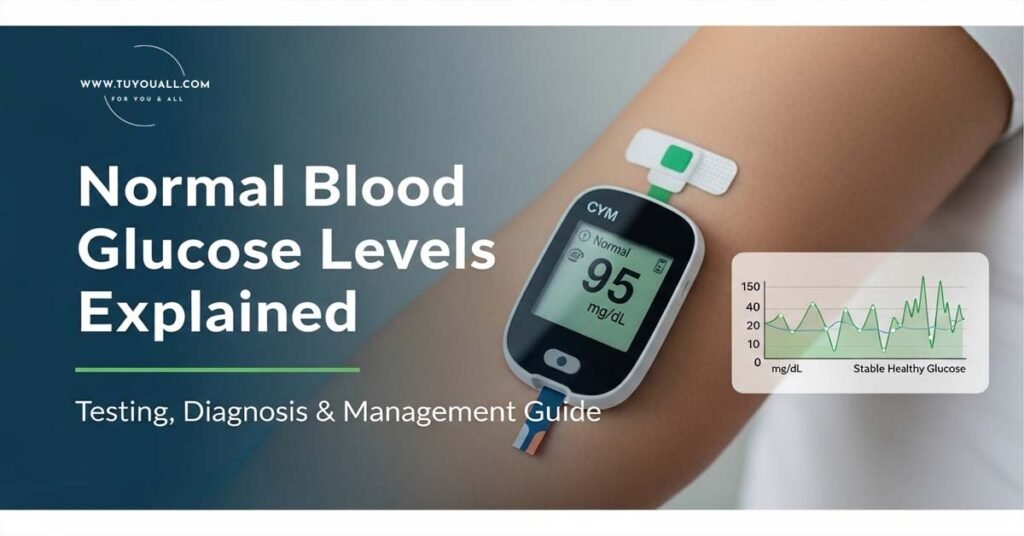
- Non-diabetic: Less than 100 mg/dL (or 5.5 mmol/L)
- Pre-diabetes: 100 to 125 mg/dL (or 5.5 to 6.9 mmol/L)
- Diabetes: 126 mg/dL or higher (or 7.0 mmol/L and above)
If you already have diabetes, your personal goal should typically sit between 80 to 120 mg/dL (4.4 to 7.2 mmol/L), though your doctor might adjust this based on your age and overall health.
Post-Meal Blood Sugar (After You Eat)
Food naturally spikes your blood sugar—that’s normal. The key is how high it goes and how quickly it comes back down. Doctors usually check this two hours after you start eating.
- Non-diabetics: Should stay below 140 mg/dL
- People with diabetes: Should aim to keep levels below 180 mg/dL at the two-hour mark
For example:
if you eat a sandwich and check your sugar two hours later, seeing “160 mg/dL” on the meter might be acceptable if you have diabetes, but “200 mg/dL” means you need to rethink that meal or talk to your doctor about medication adjustments.
How Doctors Actually Diagnose Diabetes
You can’t just guess your way to a diagnosis based on feeling thirsty or tired. Medical professionals use three gold-standard tests to figure out where you stand. Understanding these diabetes diagnosis tools empowers you to have better conversations with your healthcare team.
The A1C Test: Your 3-Month Report Card
The A1C test (also called HbA1c) is like a security camera for your blood sugar—it captures the average of the past three months. Because red blood cells live for about 120 days, the glucose that sticks to them creates a historical record of your levels.
What’s great about this test? You can take it anytime, anywhere, without fasting. As the creator explains: “You don’t need to fast to do it… it gives you your average.”
Here’s how to read your A1C results:
| Category | A1C Range | What It Means |
| Normal | Below 5.7% | Healthy blood sugar control |
| Pre-diabetes | 5.7% to 6.4% | Warning zone—time to act |
| Diabetes | 6.5% and above | Confirmed diabetes diagnosis |
A crucial insight from the source: “Don’t get me wrong… over 5.7 is okay or pre-diabetes is okay. It’s not okay.” These numbers are medical benchmarks, not health goals. The higher your A1C creeps above normal, the faster complications can develop—especially if you’re younger.
The Glucose Tolerance Test: The Real Stress Test
This test shows how your body handles a sugar rush. You fast overnight, drink a 75-gram glucose solution (which the creator candidly calls “disgusting”), and get your blood drawn two hours later.
- Normal: Less than 140 mg/dL (7.7 mmol/L) at the two-hour mark
- Pre-diabetes: 140 to 199 mg/dL (7.7 to 11.0 mmol/L)
- Diabetes: 200 mg/dL (11.0 mmol/L) or higher
Hit that 200 number at any point during the test—even at the one-hour or three-hour mark—and you meet the criteria for diabetes. Some people experience “reactive hypoglycemia” during this test, crashing hard after the initial spike, which is why medical supervision matters.
Why Your Finger-Stick Test at Home Isn’t Enough
Here’s a reality check: pricking your finger at home gives you a snapshot, not the full movie. As the creator notes, “Finger sticks are not very reliable” for diagnosis.
Sure, if your meter flashes “300 mg/dL,” you know something’s seriously wrong. But home glucose monitoring has limitations:
- Meters can vary by 10-15% from lab values
- Testing technique affects results
- It’s a single moment in time, not a trend
To confirm diabetes, you need official lab testing—either an A1C, a fasting plasma glucose test, or an oral glucose tolerance test. Think of home testing as your dashboard warning light, but your doctor’s lab work as the full engine diagnostic.
Managing Blood Sugar: Beyond the Numbers
Once you know your numbers, what do you do with them? The source emphasizes that lifestyle changes remain the foundation of blood sugar control before medications even enter the conversation.
Hydration Is Non-Negotiable
When your blood sugar runs high, your kidneys work overtime trying to flush out excess glucose through urine. If you’re dehydrated, this process stalls, and sugar builds up even higher. Think of water as the delivery truck that helps escort excess sugar out of your body.
Exercise as Medicine
Moving your muscles helps them soak up glucose from your blood without needing extra insulin. However, there’s a twist: if you’re insulin-deficient and exercise intensely, your blood sugar might actually spike initially. Don’t panic—as the creator explains, “that initial spike will go away and fill the replace itself with a much better, nicer blood sugar the rest of the day.”
Important safety note:
If you have Type 1 diabetes and high blood sugar, check your urine for ketones first. If ketones are present, skip the workout and hydrate until they clear.
When to See an Endocrinologist
You don’t have to navigate this alone. Seeing an endocrinologist early helps you establish personalized blood sugar goals. “Consider your findings and your A1C and your blood sugar goals, discuss with your doctor, make a personal goal that will give you the best results.”
Older adults might safely aim for an A1C of 6.5% or even slightly higher, while someone in their 40s or 50s should be “more aggressive” to prevent long-term damage.
Continuous Monitoring: The Tech Advantage
Modern diabetes care has moved beyond endless finger pricks. Continuous Glucose Monitoring (CGM) systems like Dexcom and FreeStyle Libre let you track your glucose 24/7 via a small sensor on your body. You can see trends, spot dangerous lows while sleeping, and understand exactly how that slice of pizza affects you—without drawing blood.
FAQ: Your Blood Sugar Questions Answered
Q.1. Can I diagnose myself with diabetes using a home finger-prick test?
No. While a reading over 250 mg/dL with symptoms strongly suggests diabetes, you need laboratory confirmation through an A1C test, fasting blood glucose, or glucose tolerance test to be certain.
Q.2. What’s the difference between pre-diabetes and diabetes on an A1C test?
Pre-diabetes falls between 5.7% and 6.4%, while diabetes is diagnosed at 6.5% or higher. However, the creator emphasizes that “pre-diabetes is not okay”—it’s a critical window for making changes before permanent damage occurs.
Q.3. How often should non-diabetics check their A1C?
Every three to six months if you’re monitoring risk factors, though the source notes that A1C can shift about 50% within the first month of lifestyle changes, so early rechecking can show quick progress.
Q.4. What should I do if my blood sugar is over 400 mg/dL?
Stay hydrated immediately and check your urine for ketones. If ketones are present or you feel unwell, seek medical attention urgently. Do not exercise until levels decrease and ketones clear.
Q.5. Do diabetics need different “normal” blood glucose goals than non-diabetics?
Yes. While non-diabetics aim for fasting levels under 100 mg/dL, people with diabetes typically target 80-120 mg/dL fasting and under 180 mg/dL two hours after meals, though these goals should be personalized with your doctor.
Conclusion
Understanding normal blood glucose levels puts you in the driver’s seat of your health. Whether you’re staring down a pre-diabetes warning or fine-tuning your diabetes management, remember that knowledge without action is just trivia. Start with small, consistent habits—drink your water, move your body, and check those labs regularly.
What’s the one lifestyle change you’ve been putting off that could move your next A1C reading in the right direction?