This blog post is based on insights from Dr. Saleem (डॉक्टर सलीम)‘s YouTube video regarding natural foods for blood sugar control and pancreatic health.
Are you tired of battling stubborn blood sugar spikes despite taking your medications? You’re not alone. Millions of people with diabetes—whether pre-diabetic or fully developed—face the daily frustration of fluctuating glucose levels. While medicines certainly play a role, there’s a fundamental truth that many overlook: what’s on your plate matters more than what’s in your pill bottle.
When it comes to controlling diabetes, your diet isn’t just important—it’s everything. As Dr. Saleem emphasizes, “If your diet isn’t right, then no matter what medicine you take or what else you do, your blood sugar will never come under control.”
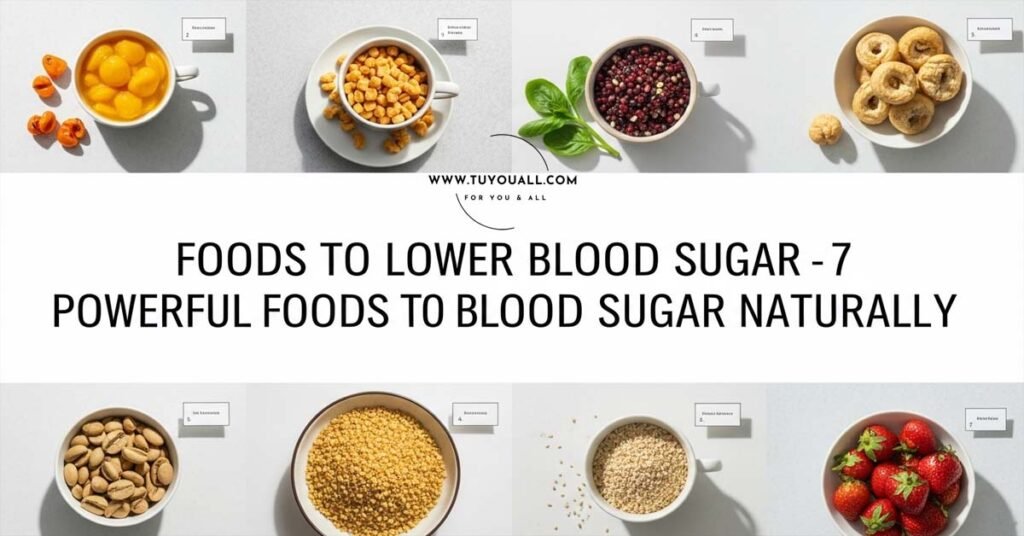
The good news? Nature has provided us with powerful, kitchen-friendly allies that can help regulate your blood sugar, protect your pancreas, and even improve how your body uses insulin. Today, we’re exploring seven remarkable foods to lower blood sugar that Dr. Saleem recommends every diabetic patient should include in their daily diet.
Why Your Diet Is the Foundation of Blood Sugar Control
Before diving into the specific foods, let’s understand why eating right trumps everything else. Your pancreas—the organ responsible for producing insulin—needs constant protection and support. When you eat the right foods, you’re not just avoiding sugar spikes; you’re actively healing and strengthening the very system that manages your glucose.
Think of medication as a life jacket and diet as learning to swim. The life jacket keeps you afloat, but knowing how to swim (eating right) gives you true freedom and safety.
The 7 Best Foods to Lower Blood Sugar Naturally
Here are the seven superstars that can transform your relationship with food and help you reclaim control over your health.
1. Bitter Gourd (Karela): Your Pancreas Protector

If there’s one vegetable that deserves superhero status in the diabetic community, it’s bitter gourd. This peculiar-looking veggie contains unique compounds that don’t just lower blood sugar—they actually protect your pancreas, the insulin-producing factory of your body.
Why it works:
Bitter gourd contains charantin and polypeptide-p, compounds that mimic insulin and help reduce blood glucose levels. Studies have shown that regular consumption can stimulate the pancreas to produce more insulin naturally.
How to use it:
- Option A: Drink one glass of fresh bitter gourd juice daily (empty stomach for best results)
- Option B: If the juice is too bitter for your taste, make bitter gourd powder. Dry the vegetables, grind them into a fine powder, and take 5 grams (about one teaspoon) with water after meals, morning and evening
For example:
If you struggle with morning fasting sugar spikes, drinking karela juice at bedtime might help stabilize your levels by morning.
2. Jamun (Black Plum): Nature’s Insulin Sensitivity Booster

Jamun is a seasonal fruit that appears during specific months, but its impact on blood sugar management is year-round relevant. Both the purple fleshy fruit and its seed contain powerful compounds called jamboline and jambosine.
The science:
These compounds are scientifically proven to increase insulin sensitivity—meaning your body becomes better at using the insulin it produces—while simultaneously lowering blood glucose levels.
How to use it:
- When in season: Eat 10-15 fresh jamun fruits daily
- Off-season solution: Don’t throw away those seeds! Dry them, powder them, and take 5 grams with water twice daily after meals. This is especially useful when fresh fruit isn’t available
Pro tip:
The seed powder is often more potent for blood sugar control than the fruit itself, so save those seeds!
3. Pumpkin (Kaddu): The Year-Round Stabilizer
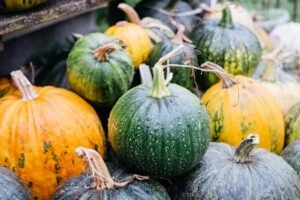
Available almost throughout the year, pumpkin (also known as sitaphal in some regions) is more than just a tasty vegetable. Traditional medicine systems have used pumpkin specifically in anti-diabetic formulations for centuries.
What makes it special:
Pumpkin is rich in fiber and unique antioxidants like beta-carotene. Its high fiber content slows down digestion, preventing those rapid sugar spikes after meals. Multiple studies confirm that regular pumpkin consumption helps maintain steady blood glucose levels.
How to eat it:
Make it as a vegetable curry 2-3 times per week. You can roast it, steam it, or add it to soups. Unlike some recommendations on this list, pumpkin is mild-tasting and easy to incorporate into regular meals.
4. Okra (Bhindi): The Humble Pod with Powerful Seeds
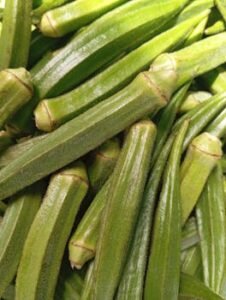
That slimy vegetable many people avoid? It’s actually a blood sugar management champion. Okra contains myricetin, a flavonoid that increases glucose uptake by muscles, effectively clearing sugar from your blood.
Traditional wisdom meets modern science:
Turkish medicine has historically used okra seeds specifically as anti-diabetic agents. Modern research supports this—studies show that okra helps reduce blood sugar levels by interfering with the enzymes that break down carbohydrates into glucose.
Serving suggestion:
Include okra in your diet at least once or twice a week. For best results, don’t overcook it—slightly crunchy okra retains more of its beneficial compounds than the overcooked, mushy version.
5. Apple: Why the Peel Holds the Secret
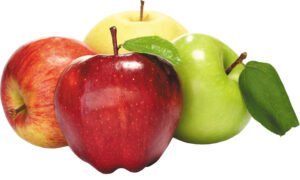
“An apple a day keeps the doctor away” isn’t just a saying—it’s especially true for diabetics. Apples are packed with vitamins, minerals, and antioxidants that support overall health.
The crucial detail:
The magic lies in the peel. Apple skin contains quercetin and other polyphenols that have been shown to reduce blood sugar levels and improve insulin sensitivity.
Important warning:
Eat the whole fruit, never the juice. When you juice an apple, you concentrate the sugars while removing the fiber that slows absorption. This can actually spike your blood sugar instead of helping it. Always choose whole apples over apple juice.
6. Chia Seeds: The Gel That Blocks Sugar Spikes
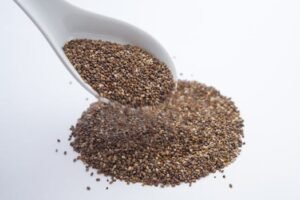
These tiny black seeds are nutritional powerhouses loaded with omega-3 fatty acids and, crucially for diabetics, soluble fiber. When chia seeds hit your digestive system, they swell up and form a gel-like substance.
The mechanism:
This gel acts like a sponge in your intestines, slowing down the absorption of both sugars and fats from your food. This prevents those dangerous post-meal glucose spikes and helps with weight management too.
How to use chia seeds:
- Take 1 tablespoon of chia seeds
- Soak them in one cup of water for 20 minutes
- Drink the mixture (seeds and water together)
Timing matters:
For maximum blood sugar control, drink this mixture before meals. However, taking it any time of day is better than skipping it entirely. Aim for twice daily, but even once a day provides benefits.
For example:
if you know you’re about to eat a carb-heavy meal, drinking chia seed water 30 minutes beforehand can significantly blunt the sugar spike.
7. Oats: Your Breakfast Fiber Shield
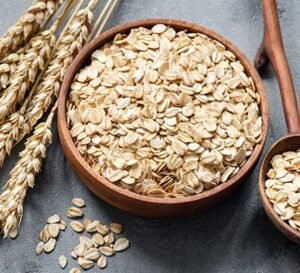
Oats are a true superfood for diabetics, primarily because of their high soluble fiber content, specifically beta-glucan. This fiber forms a thick gel in your gut that slows down the absorption of glucose into your bloodstream.
The critical distinction:
Not all oats are created equal. You need raw, unprocessed oats—not the instant masala oats or flavored packets that line supermarket shelves. Those processed versions often contain trans fats, preservatives, and added sugars that work against your blood sugar goals.
The right way to eat oats:
- Choose steel-cut or rolled oats (not instant)
- Cook them yourself from scratch
- Add vegetables like spinach, carrots, or onions to make savory oatmeal (much better than sweet versions for blood sugar)
- Eat at least one bowl daily for breakfast
| Food | Key Benefit | Best Way to Consume | Frequency |
| Bitter Gourd | Protects pancreas & boosts insulin | Fresh juice or powder | Daily |
| Jamun | Improves insulin sensitivity | Fresh fruit (seasonal) or seed powder | Seasonal: Daily / Off-season: Twice daily |
| Pumpkin | Stabilizes blood glucose | Cooked as vegetable | 2-3x weekly |
| Okra | Blocks carb-to-glucose conversion | Lightly cooked vegetable | 1-2x weekly |
| Apple | Peel contains anti-diabetic compounds | Whole fruit (never juice) | Daily |
| Chia Seeds | Slows sugar absorption | Soaked in water, drink gel | 1-2x daily |
| Oats | Soluble fiber slows glucose uptake | Cooked raw oats (not instant) | Daily breakfast |
Bonus Recommendation: The Ayurvedic Triple Threat
While discussing bitter gourd and jamun, Dr. Saleem highlights a convenient option for those who struggle to prepare these foods daily: Dabur Jamun Neem Karela Juice. This 100% pure Ayurvedic preparation combines three potent blood sugar regulators—jamun, neem, and bitter gourd—into one easy-to-use juice.
Why consider it:
- Contains premium-grade, natural ingredients with no artificial colors or flavors
- Neem adds additional detoxifying and blood-purifying benefits
- Enhances immunity alongside blood sugar control
- 135 years of Dabur’s Ayurvedic trust
How to use it:
- Shake the bottle well (crucial—Ayurvedic juices settle and need mixing)
- Mix 10-20 ml of juice in 100 ml (one cup) of water
- Drink twice daily—morning and evening
- For taste, you can add black salt, honey, or stevia, though many find it palatable as is
- Commit to 3 months of regular use for best results
Note: While this is a helpful supplement, it works best alongside the whole foods mentioned above, not as a replacement for them.
How to Combine These Foods for Maximum Impact
You don’t need to eat all seven foods every single day—that would be overwhelming. Instead, think of building a blood sugar-friendly plate:
- Morning: Start with chia seed water, followed by oatmeal with apple slices
- Lunch: Include okra or pumpkin curry with your meal; drink bitter gourd juice 30 minutes before eating
- Evening: Have jamun (when in season) or take jamun seed powder
- Throughout the day: Keep hydrated and consider the Ayurvedic juice as an additional support
Frequently Asked Questions
Q: Can these foods replace my diabetes medication?
A: No, these foods support blood sugar control but should complement, not replace, prescribed medications. Always consult your doctor before making changes to your medication regimen.
Q: How quickly will I see results after eating these foods?
A: Some foods like chia seeds and oats show immediate effects on post-meal sugar spikes. Others like bitter gourd and jamun show cumulative benefits over 2-3 months of consistent use.
Q: Are there any side effects of eating bitter gourd daily?
A: While generally safe, excessive bitter gourd can cause stomach upset or dangerously low blood sugar (hypoglycemia) if combined with medication. Monitor your levels and consult your doctor.
Q: Can non-diabetics eat these foods for prevention?
A: Absolutely! These are all healthy, whole foods that support pancreatic health and insulin sensitivity in everyone, making them excellent for pre-diabetes and general wellness.
Q: Is the Dabur juice as effective as eating the raw vegetables?
A: The juice provides concentrated benefits and is convenient, but whole foods offer additional fiber. For best results, combine both approaches.
Conclusion: Your Kitchen Is Your Best Pharmacy
Managing diabetes doesn’t have to mean deprivation—it means making smarter, nature-backed choices. These seven foods to lower blood sugar aren’t exotic superfoods from distant lands; they’re accessible, affordable ingredients that have supported human health for generations.
Remember Dr. Saleem’s core message: your diet is the foundation. Medications can help manage symptoms, but healing starts with what you feed your body. By incorporating bitter gourd, jamun, pumpkin, okra, apples, chia seeds, and oats into your routine, you’re not just controlling blood sugar—you’re nourishing your pancreas, improving your insulin sensitivity, and taking active steps toward long-term health.
Start small. Pick two or three foods from this list and commit to trying them for the next month. Notice how your energy levels change and how your blood sugar readings respond. Which of these foods are you most excited to try first, and what’s one small change you can make to your next meal to better support your blood sugar goals?
Credit & Attribution:
This blog post is based on insights from Dr. Saleem (डॉक्टर सलीम)‘s YouTube video regarding natural foods for blood sugar control and pancreatic health.
The original content has been translated, expanded, and repurposed for educational purposes.
Dr. Saleem’s key message: “If your diet isn’t right, then no matter what medicine you take or what else you do, your blood sugar will never come under control.” —Dr. Saleem