This blog post is based on insights from Dr. Nabam Khozam’s YouTube video: “12 Vegetables Diabetes Patients Must Eat.”
“Whenever someone is diagnosed with diabetes, they don’t understand what to eat and what to avoid.”
Sound familiar? If you’ve just left your doctor’s office with a long list of restrictions but zero guidance on what you can eat, you’re not alone. Most diabetes patients eat far fewer vegetables than they should—not because they don’t want to, but because they’re terrified that the wrong choice will spike their blood sugar.
Here’s the good news: vegetables are not the enemy. In fact, they’re your secret weapon for diabetes reversal.
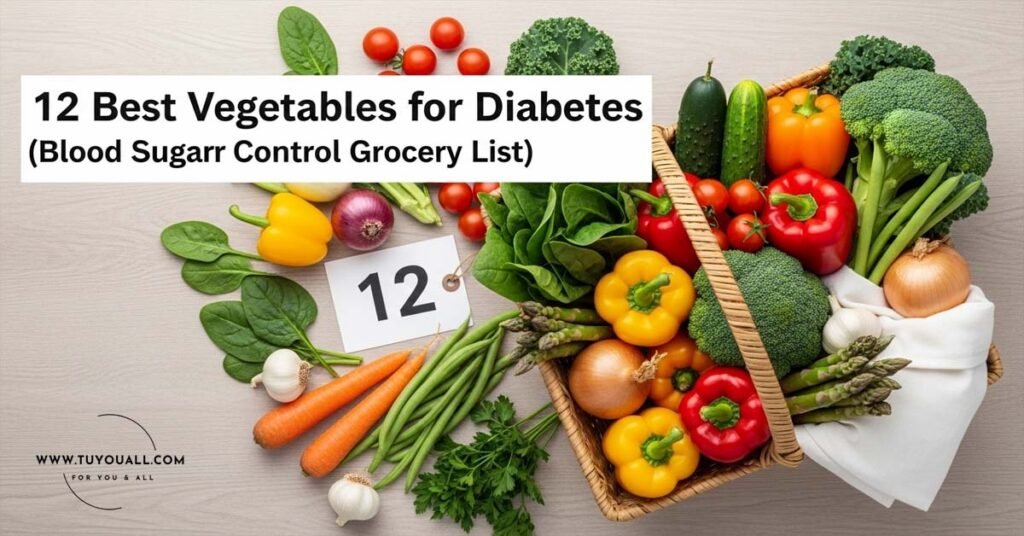
Today, I’m breaking down 12 specific vegetables for diabetes management that not only keep your glucose levels stable but can help reverse insulin resistance, lower blood pressure, and fix that stubborn constipation that often comes with diabetic medications. As Dr. Nabam Khozam—a medical nutrition specialist—emphasizes, “If you include all these vegetables in your diet, you will have no complications, your sugar level will be well controlled, and you won’t have constipation problems.”
Why Your Plate Needs More Green (and Orange, and Red)
Before we dive into the list, let’s understand why low glycemic vegetables matter so much. Every food you eat affects your blood sugar differently. The glycemic load (GL) measures how much a food raises your glucose. The lower the GL, the safer the food for diabetics.
Most vegetables have a GL close to zero—meaning you can fill half your plate with them without worry. But these 12 stand out because they do more than just “not harm” you. They actively heal you.
Leafy Greens & Cruciferous Champions
[No.1]
Spinach (Palak) : The Zero-Guilt Green
If there’s one vegetable Dr. Khozam considers non-negotiable, it’s spinach. “Spinach has an almost negligible glycemic load—close to zero,” he notes. This means you can blend it into smoothies, chop it into soups, or sauté it with spices without worrying about glucose spikes.
But spinach isn’t just “safe”—it’s therapeutic. Every leaf packs:
- Carotenoids (eye protectors, crucial since diabetes affects vision)
- Vitamin B complex (energy metabolism)
- Vitamin C (immunity)
- Folic acid (heart health)
- Calcium (bone strength)
For example:
If you struggle with afternoon energy crashes, swapping your rice portion for a big bowl of spinach curry can stabilize your energy without the blood sugar rollercoaster.
[No.2]
Cauliflower (Gobi): The Inflammation Fighter
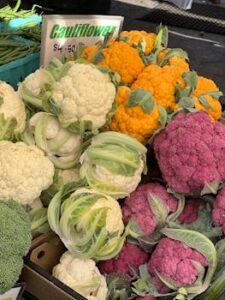
Here’s a statistic that matters: one cup of cauliflower contains only about 5 grams of carbohydrates. That’s incredibly low. But the real magic lies in compounds called glucosinolates.
These sulfur-containing chemicals act as powerful antioxidants. Multiple research papers show that glucosinolates reduce inflammation markers in your body—specifically C-reactive protein (CRP). Since most diabetics suffer from chronic, low-grade inflammation, eating cauliflower regularly helps calm your system from the inside out.
Pro tip:
Try making cauliflower rice instead of regular rice. You get the volume and satisfaction of a full plate while keeping carbs minimal.
[No.3]
Cabbage (Patta Gobi): The Overlooked Hero
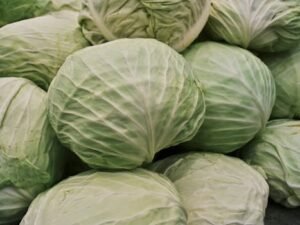
Cabbage shares cauliflower’s anti-inflammatory benefits but adds something special:
it’s incredibly wallet-friendly and lasts weeks in your fridge. Like cauliflower, it contains minimal carbs and antioxidants that specifically target diabetic inflammation.
[No.4]
Broccoli: The 10% Solution
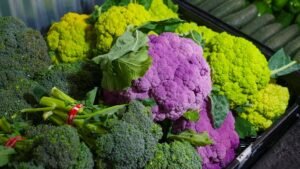
Broccoli deserves its “superfood” status. Research shows that regular broccoli consumption can reduce blood sugar levels by up to 10%. Why? It contains sulforaphane, a compound that actively improves your body’s glucose regulation.
For example:
Adding just one cup of steamed broccoli to your lunch and dinner could mean the difference between waking up with a fasting sugar of 140 mg/dL versus 125 mg/dL over time.
Desi Superfoods You Can’t Ignore
[No.5]
Moringa (Drumstick/Sahjan): The Tree of Life
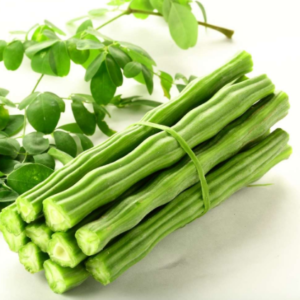
This might be the most underrated vegetable in Indian kitchens. Dr. Khozam is emphatic: “If you don’t eat drumstick, please start. Both the pods and leaves are excellent.”
Studies consistently show that moringa:
- Increases insulin sensitivity
- Improves gut health
- Lowers blood pressure
The nutritional density is staggering:
Moringa leaves contain 7 times more Vitamin C than oranges and 15 times more potassium than bananas. That’s not a typo. Adding just a few leaves to your dal or soup delivers pharmaceutical-grade nutrition disguised as comfort food.
[No.6]
Bitter Gourd (Karela): Nature’s Insulin

Everyone knows about bitter gourd, but few understand why it works. “Bitter gourd has insulin-like properties,” Dr. Khozam explains. When you eat it, it mimics insulin’s job of pushing glucose from your blood into your cells where it belongs.
Critical warning:
Don’t juice it. “I will not recommend bitter gourd juice,” insists Dr. Khozam. “If you make juice, the fiber content gets removed, and fiber is essential.” Instead, eat it stuffed, stir-fried, or as a sabzi where you consume the whole vegetable including the seeds and skin.
[No.7]
Pumpkin (Kaddu): The Sweet That’s Safe
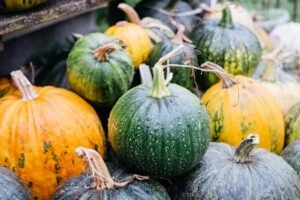
Worried pumpkin tastes too sweet to be safe? Its glycemic load is only 2-3—extremely low. Pumpkin is essentially nature’s hydration pack, containing massive amounts of water and fiber that slow down any sugar absorption.
For example:
if your blood sugar fluctuates wildly throughout the day, replacing your evening snack with a cup of cooked pumpkin can provide satiety without the spike, thanks to its high water content.
Fiber Heroes for Gut Health
[No.8]
Okra (Bhindi): The Constipation Cure

Diabetes and constipation often go hand-in-hand, especially if you’re eating high-protein, high-fat diets but skimping on vegetables. Okra solves this with its mucilaginous fiber—that slimy stuff that actually indicates high-quality soluble fiber.
This fiber does double duty: it feeds good gut bacteria (essential for glucose metabolism) and physically slows down sugar absorption in your intestines. Plus, it’s filling. As Dr. Khozam notes, “The more fiber you eat, the better your blood sugar maintenance.”
[No.9]
Beans: The Weight Loss Ally
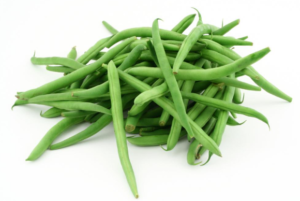
Beans are unique because they’re incredibly low in calories but high in Vitamin C—a rare combination. If you’re diabetic and trying to lose weight (which helps reverse diabetes), beans should be your go-to protein companion.
For example:
Replacing one meat-based meal per week with a bean curry gives you protein satisfaction minus the inflammatory saturated fats, plus a fiber boost that keeps you full for hours.
[No.10]
Cucumber (Kheera): The Craving Crusher

Cucumber is 95% water and practically zero calories. But its real superpower? Satiety. “If you eat cucumber in large quantities, it keeps your stomach full,” Dr. Khozam explains. “If you’re not hungry frequently, you won’t eat random things—you won’t have sugar cravings.”
This matters because cravings often break diabetic diets. When you snack on cucumber before meals, you naturally eat less of the heavy stuff without feeling deprived.
Zucchini (Tori/Jugni): The Exotic Helper
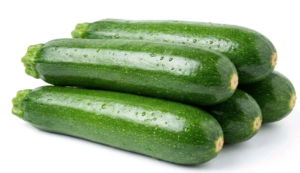
Zucchini isn’t always available or affordable everywhere, but if you can find it, grab it. It’s low-calorie, high-fiber, and rich in antioxidants and Vitamin C. Think of it as cucumber’s more substantial cousin—you can make noodles (zoodles) out of it, stuff it, or roast it for a filling, diabetes-safe side.
Flavorful Healers
[No.11]
Tomatoes: The Red Anti-Inflammatory
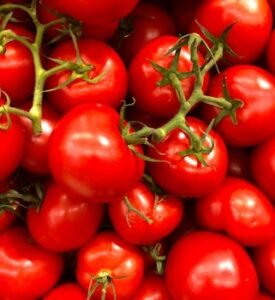
“In North India, food isn’t cooked without tomatoes,” jokes Dr. Khozam, and that’s actually great news for diabetics. The red color comes from lycopene, a powerful antioxidant with anti-inflammatory properties.
Since diabetes is essentially inflammation plus insulin resistance, regularly consuming tomatoes—raw in salads or cooked in vegetables—helps address the root cause, not just the symptoms.
[No.12]
Eggplant (Baingan): The Purple Protector

Eggplant contains nasunin, an antioxidant found in its purple skin that protects your cells from oxidative damage. It also has specific anti-diabetic properties that help with glucose regulation.
If you’ve avoided eggplant because you don’t know how to cook it, try baingan bharta (roasted and mashed with spices) or simple stir-fries with minimal oil. “If you don’t eat brinjal but have diabetes, you must start,” advises Dr. Khozam.
Your Practical Action Plan
Knowing the list is useless without execution. Here’s how to actually eat these 12 vegetables weekly without getting bored:
| Meal Type | Vegetable Combo | Preparation Style |
| Breakfast Smoothie | Spinach + Cucumber | Blend with water and lemon |
| Lunch Sabzi | Okra/Cauliflower/Eggplant | Stir-fried with minimal oil and spices |
| Dal Addition | Moringa leaves/Drumstick | Boiled into lentils |
| Salad Base | Cabbage/Cucumber/Tomato | Raw with lemon dressing |
| Dinner Side | Broccoli/Beans | Steamed or lightly sautéed |
| Weekly Special | Bitter Gourd/Pumpkin | Stuffed or curry form |
Frequently Asked Questions
Q.1. Can I eat these vegetables if I’m on diabetes medication?
Absolutely. These vegetables complement your medication by improving insulin sensitivity naturally. However, monitor your blood sugar closely as your levels may drop, requiring medication adjustments with your doctor’s guidance.
Q.2. How much of these vegetables should I eat daily?
Aim for at least 5 servings (about 2.5 cups cooked) spread across meals. Dr. Khozam emphasizes variety: “Eat different types of vegetables every day. Every vegetable has different anti-diabetic properties and phytonutrients.”
Q.3. Will eating these vegetables cure my diabetes?
While not a guaranteed “cure,” these vegetables support diabetes reversal by reducing inflammation, improving insulin sensitivity, and promoting weight loss. Many people have reversed their diabetes by making vegetables the star of their plate.
Q.4. Can I eat potatoes if I eat these vegetables?
Potatoes have a high glycemic load and should be limited or avoided, especially in the reversal phase. Focus on the 12 vegetables listed here first.
Q.5. Is juicing these vegetables okay?
No. Juicing removes fiber, which is essential for blood sugar control. “Eat the whole vegetable—don’t drink it,” Dr. Khozam warns.
Take Control of Your Plate, Take Control of Your Sugar
Diabetes doesn’t have to mean a lifetime of tasteless meals and constant worry. By filling your plate with these 12 blood sugar control foods, you’re not just “managing” a disease—you’re giving your body the raw materials to heal itself.
Start small. Pick three vegetables from this list that you already like, and commit to eating them daily for one week. Notice how your energy stabilizes, your cravings diminish, and your fasting sugar gradually improves. Then gradually rotate in the others.
Which of these vegetables is already a regular in your kitchen, and which one surprised you the most? Drop a comment below—I’d love to hear your favorite way to prepare bitter gourd or if you’ve ever tried moringa leaves!
Credit Section:
This blog post is based on insights from Dr. Nabam Khozam’s YouTube video: “12 Vegetables Diabetes Patients Must Eat.”
The original content was provided in Hindi and has been translated, expanded, and repurposed for educational purposes.