This blog post is based on insights from Dr. Saleem’s YouTube video: “10 Vegetables Diabetics Should Never Eat” from the channel Healthy Hamesha.
Did you know that some vegetables sitting in your kitchen right now could be causing sudden blood sugar spikes? If you’re managing diabetes, you probably already avoid sweets and sugary drinks. But what about corn, carrots, or even that “healthy” vegetable juice?
The truth is, not all vegetables are created equal when it comes to blood sugar control. While most veggies are your best friends for managing diabetes, a few popular ones pack hidden carbohydrates that can send your glucose levels soaring.
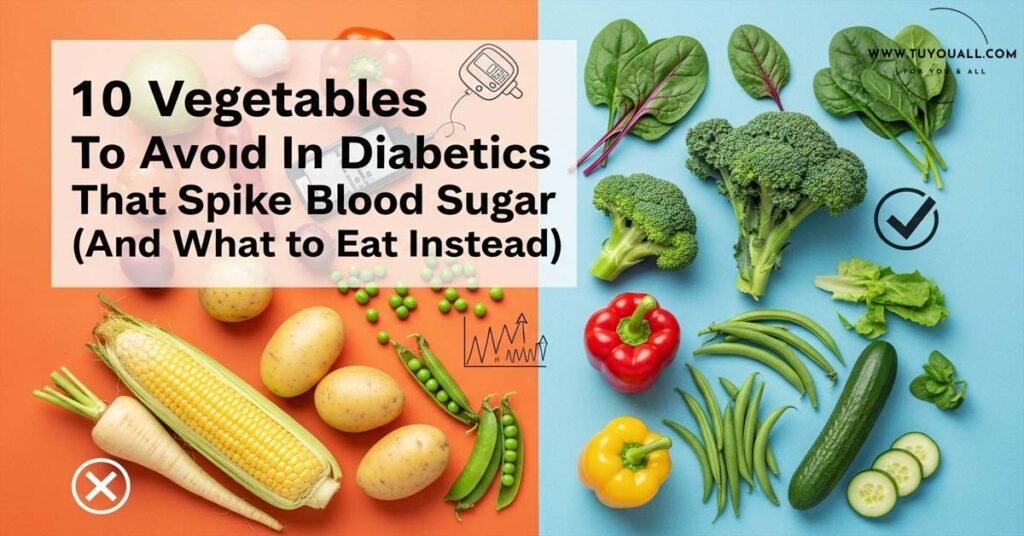
In this guide, we’ll walk through ten specific foods that diabetic patients should either avoid or eat with extreme caution. More importantly, we’ll show you how to enjoy them safely and what better alternatives exist. Let’s dive in.
Why Some “Healthy” Vegetables Raise Blood Sugar
Before we name names, let’s understand the science. When you have diabetes, your body struggles to process glucose efficiently. Foods high in simple carbohydrates, starch, or natural sugars break down quickly, causing rapid glucose spikes.
As Dr. Saleem explains, “Vegetables that are high in carbohydrates, contain simple sugars, or have low fiber content can increase your blood sugar very rapidly and cause harm.” On the flip side, vegetables low in carbs but high in fiber slow down digestion and keep your blood sugar stable.
Here’s what to watch for:
- High starch content (converts to sugar quickly)
- Low fiber (no buffer against sugar absorption)
- High glycemic load (total impact on blood sugar)
Now, let’s look at the ten culprits.
The Ten Foods Diabetics Should Limit or Avoid
1. Corn (Makka) – The Starchy Snack

Corn is a beloved monsoon treat and movie-time snack, but it’s loaded with carbohydrates. Just half a bowl of corn contains approximately 21 grams of carbohydrates and only 2 grams of fiber. Sweet corn is even worse, containing higher sugar levels.
“Being a diabetic patient, you should avoid this.” — Dr. Saleem
The problem:
That low fiber-to-carb ratio means corn digests rapidly, causing sudden blood sugar spikes.
Real-world example:
Imagine eating a large cup of buttery sweet corn at the mall. An hour later, your blood glucose meter shows a surprising spike—even though you didn’t eat anything “sweet.”
2. Peas (Matar) – The Protein-Packed Trap
Green peas are often considered healthy because they’re high in protein, but they also contain significant carbohydrates. Like corn, peas can raise your blood sugar levels quickly if consumed in large quantities.
Better approach:
If you love peas, don’t eliminate them entirely. Instead, use them as a garnish rather than the main vegetable in your dish. Mix a small handful into a cauliflower stir-fry rather than eating pea soup.
3. Potatoes (Aloo) – The Comfort Food Challenge
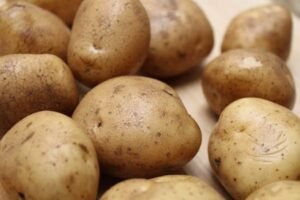
This one’s tough because potatoes are the ultimate comfort food in many households. However, a medium-sized potato packs about 30 grams of carbohydrates and only 4 grams of fiber. The real danger lies in the starch content, which is exceptionally high.
The cooking method matters enormously:
- Avoid: French fries, potato chips, pakoras (fried items increase starch content further)
- Safer method: Boil potatoes first, discard the starchy water, then prepare your curry. This process reduces the starch content significantly.
For example:
If you’re making aloo matar, boil and drain the potatoes before adding them to the gravy. This simple step prevents the sharp blood sugar spike you’d get from fried potatoes.
4. Sweet Potatoes (Shakarkandi) – The Deceptive “Health Food”
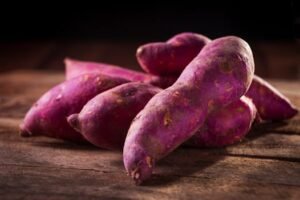
“But sweet potatoes have a low glycemic index!” Yes, that’s true—their GI is around 54, which technically falls in the “low” category. However, Dr. Saleem warns against relying solely on GI numbers.
“You cannot eat something just by looking at the glycemic index, because sweet potatoes have a glycemic load of 11.3, which comes in the moderate category.” — Dr. Saleem
What this means:
While they won’t spike your sugar immediately, eating even slightly more than a small portion increases your body’s sugar load considerably over time. That “moderate” glycemic load adds up if you eat a whole roasted sweet potato.
5. Vegetable Juices – The Fiber Thief
Here’s a surprise entry:
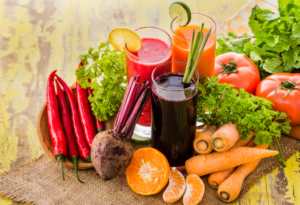
even pure vegetable juice can spike your blood sugar. When you extract juice from vegetables, you remove the roughage (fiber) and concentrate the water and sugar content.
The danger:
Without fiber to slow absorption, you’re essentially drinking a sugar concentrate. It might not taste sweet, but your blood sugar will react as if it is.
Exceptions:
Some vegetable juices actually help diabetes:
- Bitter gourd (karela) juice: Known to lower blood sugar
- Indian gooseberry (amla) juice: Beneficial for diabetes management
Real-world example:
You might think starting your day with a bottle of “healthy” mixed vegetable juice is virtuous, but without understanding which vegetables went into it, you could be unknowingly consuming a sugar bomb.
6. Carrots (Gajar) – The Natural Sugar Source
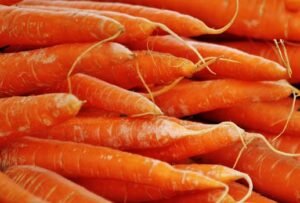
Carrots don’t contain much starch, but they’re naturally high in sugars. While they’re incredibly nutritious (hello, Vitamin A!), diabetic patients need to consume them mindfully.
Best practice:
Eat raw carrots in small portions rather than cooked, as cooking can increase the glycemic impact. Add them to salads for crunch rather than making sweet carrot halwa.
7. White Rice – The Vegetarian Staple
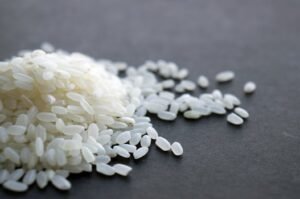
Though technically a grain, not a vegetable, white rice deserves mention because most vegetarians consume it daily. White rice has an extremely high glycemic index and minimal fiber.
When you eat white rice, your blood sugar can spike suddenly, which is dangerous for diabetics.
Two safer strategies:
- The Boiling Method:
Parboil rice, strain the starchy water (that thick, peach-colored liquid), discard it, and then cook the rice further.
- Switch to Brown Rice:
Contains more fiber and complex carbohydrates that don’t spike blood sugar as dramatically.
Even better alternative:
Replace rice entirely with quinoa. As Dr. Saleem notes, “Quinoa is an excellent substitute for rice that doesn’t raise your blood sugar and provides many other benefits.”
8. White Bread – The Processed Problem

Another non-vegetable that’s a vegetarian staple, white bread is highly refined and dangerous for diabetics. It contains:
- Refined starch in high quantities
- Negligible fiber
- Often added sugars and trans fats
- Vegetable oils (unhealthy ones)
“Whether it tastes sweet or not, white bread can raise your blood sugar very rapidly and cause harm.” — Dr. Saleem
For example:
That morning toast with butter might seem harmless, but two slices of white bread can impact your blood sugar similarly to eating candy, especially if the bread contains hidden sugars for softness.
9. Beetroot (Chukundar) – The Sweet Root
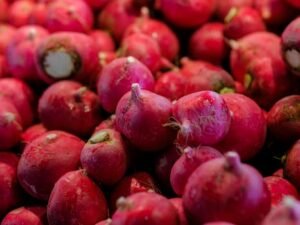
Beetroot contains high sugar and carbohydrate content. While it’s excellent for blood pressure and anemia, its natural sweetness comes from sugars that directly impact blood glucose.
Warning:
Beetroot juice is particularly dangerous because it’s concentrated. Drinking a tall glass of fresh beetroot juice without medical guidance can cause significant blood sugar spikes.
10. Pumpkin (Kaddu/Sitaphal) – The Monsoon Favorite

Like beetroot, pumpkin is naturally sweet and high in carbohydrates. It’s a common vegetable in many regional cuisines, especially during monsoons.
The risk:
Cooking pumpkin into curries or eating large portions can silently elevate your blood sugar levels.
How to Eat These Foods Safely: The 90/10 Balance Rule
Dr. Saleem emphasizes that these foods aren’t strictly forbidden—they require portion control and context. Here’s his practical framework:
The 90/10 Principle:
If 10% of your meal plate contains these higher-carb vegetables, the remaining 90% must consist of low-carb, low-glycemic foods.
For example:
If you’re craving potato curry:
- Take a small portion (10% of your plate)
- Fill the remaining 90% with fiber-rich greens like spinach, fenugreek, or okra
- Add a side of cucumber salad or buttermilk
This balance ensures the overall glycemic load of your meal stays manageable. Never eat these ten foods as standalone large portions or alongside other high-carb items like white rice or bread.
Comparison: Better Alternatives for Common Cravings
| If You Crave This | Why It’s Problematic | Eat This Instead | The Benefit |
| Sweet Corn | High carbs, low fiber | Boiled sweet corn (small portion) + broccoli | Fiber slows absorption |
| White Rice | High GI, spikes sugar | Quinoa or Brown Rice | Complex carbs, steady energy |
| White Bread | Refined starch, trans fats | Whole grain roti or sourdough | More fiber, less processing |
| Potato Chips | Fried starch bombs | Roasted makhana (fox nuts) | Crunch without the carb load |
| Beetroot Juice | Concentrated sugars | Whole beetroot (small piece) in salad | Fiber intact, portion controlled |
Frequently Asked Questions
Q1: Can diabetics eat carrots daily?
While carrots are nutritious, their natural sugar content means moderation is key. Have small portions raw in salads rather than cooked or juiced. Monitor your blood sugar response personally.
Q2: Is sweet potato better than regular potato for diabetes?
Sweet potatoes have a lower glycemic index but a moderate glycemic load. You can eat them in very small portions (half a small sweet potato), but they aren’t “free” foods. Regular potatoes are higher risk when fried.
Q3: Why does white rice spike blood sugar more than brown rice?
White rice is stripped of its fiber-rich bran layer during processing. This fiber normally slows carbohydrate absorption. Brown rice retains this layer, causing a slower, smaller glucose rise.
Q4: Are all vegetable juices bad for diabetics?
No—bitter gourd (karela) and amla juices can actually help lower blood sugar. However, avoid juices from starchy or sweet vegetables like carrots, beetroot, or mixed vegetable cocktails where you can’t control the ingredients.
Q5: If I exercise regularly, can I eat these vegetables freely?
Regular exercise helps insulin sensitivity, but it doesn’t make high-glycemic foods completely safe. You still need portion control, though you might tolerate slightly larger portions than sedentary individuals. Always monitor your readings.
Conclusion
Managing diabetes doesn’t mean eliminating delicious food—it means being conscious and strategic about your choices. Those ten vegetables (corn, peas, potatoes, sweet potatoes, vegetable juices, carrots, white rice, white bread, beetroot, and pumpkin) can remain in your diet, but only as small portions within a balanced meal.
The key is filling most of your plate with fiber-rich, low-carb alternatives and staying active. Small changes, like boiling potatoes before cooking or swapping white rice for quinoa, can make a massive difference in your daily blood sugar readings.
Which of these vegetables surprised you the most?
Credit Section:
This blog post is based on insights from Dr. Saleem’s YouTube video: “10 Vegetables Diabetics Should Never Eat” from the channel Healthy Hamesha.
The original content has been translated, expanded, and repurposed for educational purposes.